Tragedy in Venezuela: Seismic Shocks Expose the Deep Structural Vulnerabilities of Marginalized Communities
With 160 dead in the wake of back-to-back earthquakes, a building collapse in El Junquito highlights the unequal burden of environmental disasters.
The devastating back-to-back earthquakes that recently struck Venezuela have claimed the lives of at least 160 people, according to acting President Delcy Rodríguez. While the tremors shook the entire capital region of Caracas, the physical and human toll of this disaster has concentrated heavily on the precarious outskirts of the city. The catastrophic events have once again demonstrated that while natural hazards are neutral, their consequences are deeply divided along socioeconomic lines.
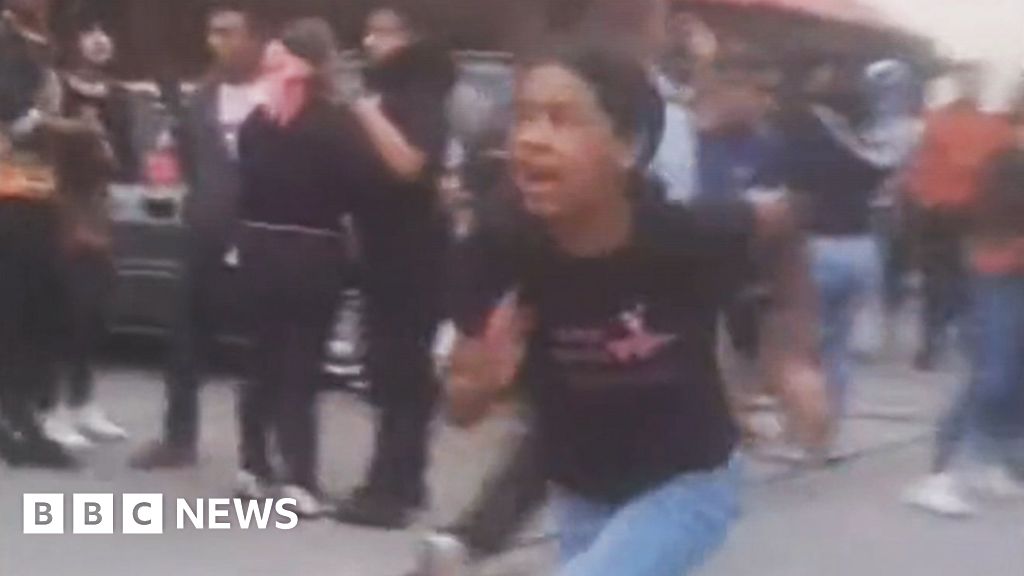
In the peripheral community of El Junquito, perched on the steep, mountainous slopes surrounding Caracas, the terrifying reality of this inequality was caught on camera. A local content creator captured the exact moment a multi-story building suffered a complete structural failure, collapsing into a heap of rubble as terrified working-class residents fled for their lives. This footage is a stark, visual indictment of the systematic neglect and lack of safe, resilient housing options available to the country's most vulnerable populations.
For decades, rapid urban migration has forced lower-income families to construct lives on the steep, unstable hillsides of the Caracas periphery. These communities, often lacking access to formal engineering expertise or high-quality construction materials, are left to bear the brunt of geological instability. When the earth moves, these homes—built out of necessity on marginalized land—are the first to fall, transforming socioeconomic marginalization into physical catastrophe.
Geological experts point out that the soil profiles of these hillside communities are highly susceptible to shifting and landslides during seismic events. When combined with a lack of municipal investment in retaining walls, slope stabilization, and robust public infrastructure, the resulting vulnerability is systemic. The tragedy in El Junquito is not merely a natural disaster; it is the predictable outcome of structural conditions that leave working-class families exposed to extreme risk.
Acting President Delcy Rodríguez and the administration face a monumental challenge in addressing the immediate human suffering. The immediate priority must be the distribution of mutual aid, medical care, and emergency shelter to those displaced by the disasters. However, progressive analysts emphasize that true recovery requires addressing the systemic housing crisis that forces citizens to live in such hazardous conditions in the first place.
Historically, disasters of this scale disproportionately disrupt the lives of women, children, and low-wage workers who have the fewest resources to rebuild. The loss of a home in areas like El Junquito represents the destruction of a family's entire life savings and social safety net. Without aggressive public intervention and a commitment to housing justice, the cycle of vulnerability will only deepen during the reconstruction phase.
Grassroots community organizations and local networks are currently working on the ground to provide solidarity and support, demonstrating the resilience of the Venezuelan people in the face of profound crisis. These community-led efforts highlight the importance of localized disaster response that prioritizes human life and dignity over bureaucratic convenience.
Moving forward, international solidarity and humanitarian cooperation will be essential to assist the people of Venezuela. The reconstruction process must prioritize environmental justice and the creation of safe, sustainable, and equitable housing. Only by addressing the root causes of vulnerability can we hope to prevent future natural hazards from turning into human tragedies of this scale.
Sources: * United Nations Office for the Coordination of Humanitarian Affairs (OCHA) * Fundación Venezolana de Investigaciones Sismológicas (FUNVISIS) * World Health Organization (WHO) Collaborating Centre for Emergency Preparedness and Response * United States Geological Survey (USGS) Earthquake Hazards Program


