Tragedy on Denali: Three Climbers Dead, Highlighting Risks Faced by International Teams
Fatal accident underscores the need for better support and safety measures for climbers, particularly those traveling from abroad to ascend Denali.
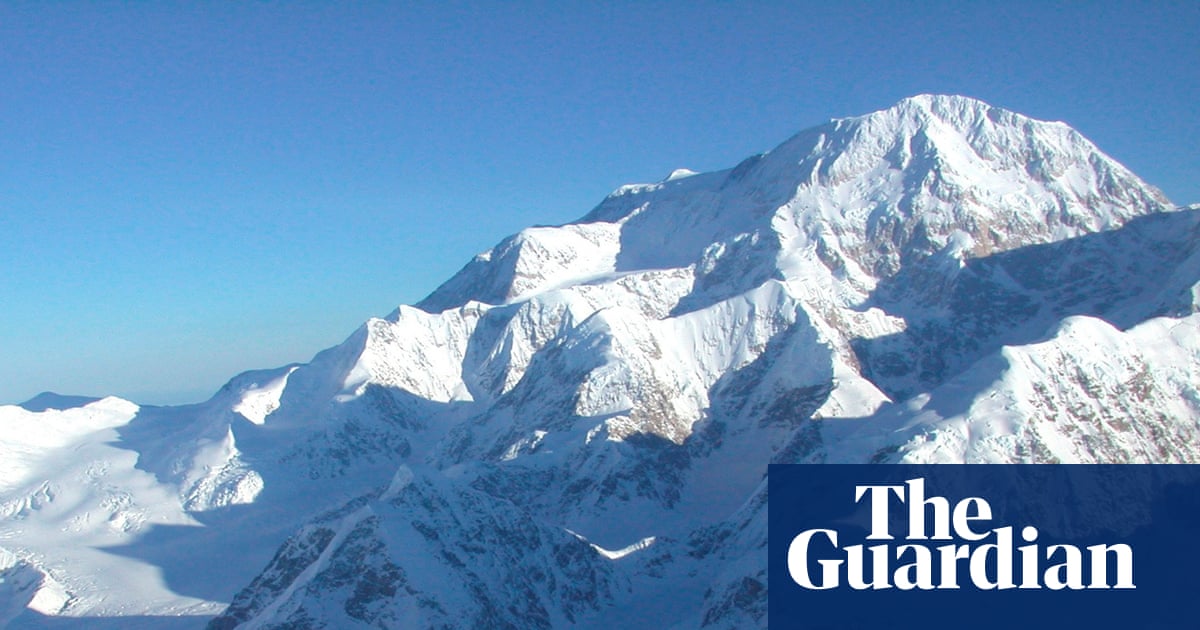
The deaths of three climbers on Mount McKinley, also known as Denali, and the rescue of a fourth, serve as a stark reminder of the inherent dangers and inequities within the world of mountaineering. The four climbers were part of a seven-person group from Latvia who sought to conquer North America's tallest peak. This incident highlights the critical need for improved safety measures and comprehensive support systems, especially for international climbing teams who may face additional logistical and financial barriers.
The National Park Service (NPS) reported that the climbers fell at Denali Pass on Wednesday. While three climbers managed to return to their camp after the accident, weather conditions initially hampered rescue efforts. The NPS eventually rescued one climber on Thursday afternoon via a “long-line extraction,” transporting the individual to a base camp and then to a hospital. The other three, identified by the Latvian Mountaineering Association as Inese Pučeka, Vija Olte, and Renārs Kunigs-Salaks, were declared deceased. Mārtiņš Bilzēns was injured and evacuated to receive medical care.
The tragedy raises questions about the accessibility of Denali for climbers from various socioeconomic backgrounds. International teams often face significant financial burdens, including travel costs, permit fees, equipment expenses, and insurance. These costs can create pressure to cut corners on safety measures or push climbers beyond their limits. Furthermore, language barriers and cultural differences can complicate communication and coordination with local authorities and rescue services.
Denali's harsh conditions, including extreme weather and high altitude, pose significant risks even for experienced climbers. However, these risks are exacerbated when climbers lack adequate resources, training, or support. It is imperative that the NPS and other relevant organizations work to ensure that all climbers, regardless of their origin or financial status, have access to the necessary resources to safely attempt a summit. This includes providing comprehensive pre-climb briefings, offering affordable equipment rental programs, and establishing clear communication protocols in multiple languages.
The incident also underscores the need for greater transparency and accountability in the mountaineering industry. Climbing companies and guides have a responsibility to prioritize the safety of their clients, and regulatory bodies must enforce stricter standards to prevent accidents. Additionally, there should be more emphasis on ethical climbing practices that minimize environmental impact and respect the cultural significance of Denali to indigenous communities. The climbing season on Mount McKinley typically runs from late April to mid-July. The NPS offers guidelines, but more comprehensive and equitable support is needed for all climbers. By addressing these systemic issues, we can work to prevent future tragedies and ensure that Denali remains a challenging but accessible destination for climbers from around the world.


