Tragedy on the Reef: Shark Attack Highlights Need for Coastal Safety and Ecosystem Balance
A fatal shark attack on the Great Barrier Reef underscores the ongoing tension between recreational access, marine conservation, and the urgent need for proactive coastal safety measures that prioritize both human life and the health of vulnerable ecosystems.
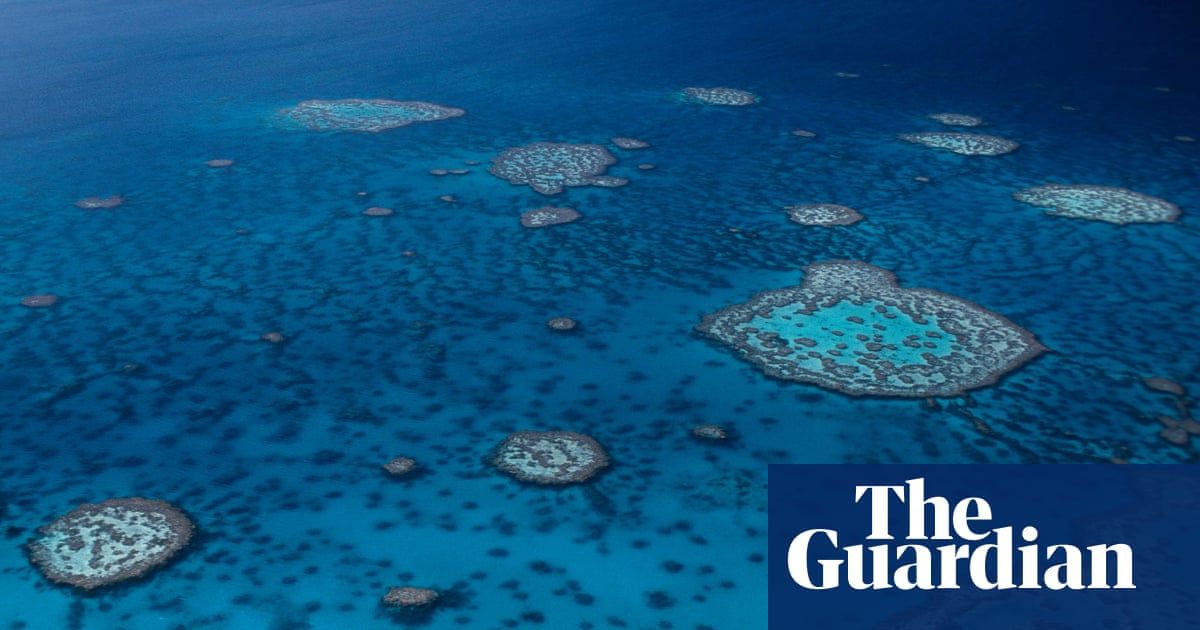
A 39-year-old man's death following a shark attack on the Great Barrier Reef is a stark reminder of the inherent risks of interacting with wild marine environments and the urgent need for comprehensive strategies that balance human safety with ecological responsibility. The incident occurred at Kennedy Shoal, a popular recreational fishing and diving spot approximately 50 kilometers off the coast of Tully, Queensland. The man was reportedly fishing when he was attacked, succumbing to his injuries shortly after being brought ashore.
This tragedy forces a critical examination of coastal management policies and the adequacy of current safety measures. While shark attacks are statistically infrequent, their impact is devastating, particularly on local communities and the families of victims. It also raises questions about equitable access to coastal resources and the disproportionate risks faced by certain groups who may rely on fishing for sustenance or recreation. Are adequate resources being allocated to educate and protect vulnerable populations engaging in activities near known shark habitats?
The Queensland government's existing shark control program, which relies on nets and drumlines, has been heavily criticized by environmental groups for its indiscriminate impact on marine life, including endangered species. While intended to reduce the risk of shark attacks, these methods often result in the entanglement and death of non-target species, raising serious ethical and ecological concerns. A more sustainable and humane approach is needed, one that prioritizes non-lethal deterrents and proactive risk mitigation strategies.
Furthermore, the incident highlights the vulnerability of the Great Barrier Reef ecosystem itself. Climate change, pollution, and unsustainable fishing practices are already placing immense pressure on this natural wonder. The loss of biodiversity and the degradation of habitats can alter predator-prey relationships and potentially increase the likelihood of human-shark encounters. Protecting the reef's ecological integrity is not only essential for its intrinsic value but also for the safety and well-being of those who depend on it.
Effective solutions require a multi-faceted approach that includes increased investment in research and monitoring of shark populations and behavior, the development and deployment of innovative non-lethal deterrent technologies, and comprehensive public education campaigns that promote responsible coastal practices. It's also crucial to engage with local communities and Indigenous knowledge holders to develop culturally sensitive and ecologically sound management strategies.