Tragic Death of Aboriginal Girl Exposes Australia's Legacy of Inequality and Neglect
The alleged murder of Kumanjayi Little Baby underscores the urgent need for systemic change to address the ongoing injustices faced by Aboriginal and Torres Strait Islander children and families.
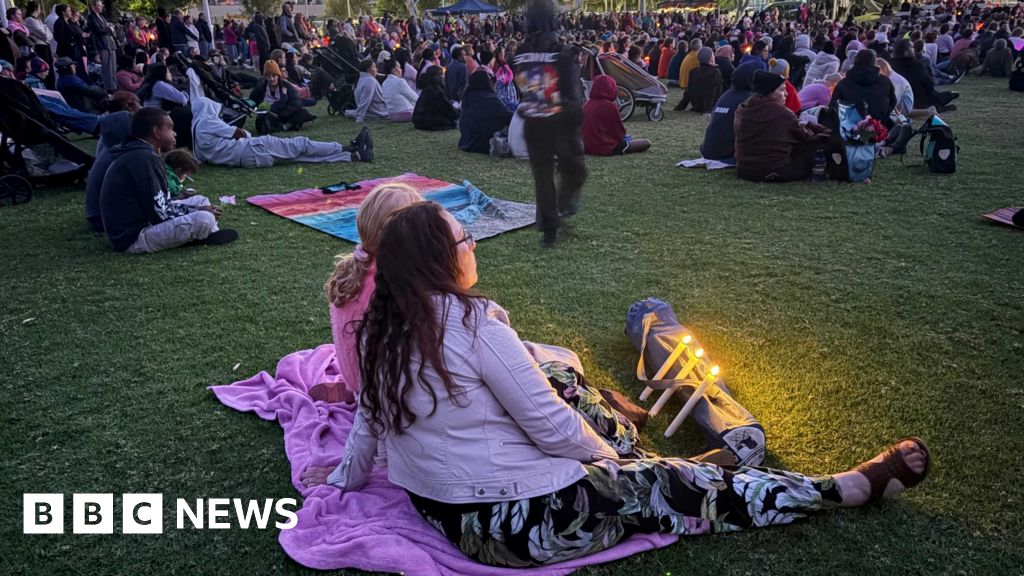
The heart-wrenching death of five-year-old Kumanjayi Little Baby in Alice Springs is more than just a personal tragedy; it is a stark indictment of Australia's failure to protect its most vulnerable Indigenous children and dismantle the systemic inequalities that perpetuate cycles of disadvantage.
The makeshift memorial at Old Timers town camp, a place born of displacement and dispossession, speaks volumes about the grief and anger felt by the community. The promise of unity in the face of tragedy rings hollow when set against a backdrop of historical trauma and ongoing marginalization.
Prime Minister Albanese's expression of sorrow, while welcomed, must be followed by concrete action and a commitment to addressing the root causes of inequality. Catherine Liddle's observation about the love and care within Aboriginal families is crucial, but it also highlights the immense challenges these families face within a system stacked against them.
The call for a review of the Northern Territory's child protection system is a necessary first step, but it must be a comprehensive and culturally sensitive process that involves Aboriginal communities at every stage. The history of forced removals and discriminatory policies cannot be ignored.
Kumanjayi Little Baby, described as a "princess" who loved cartoons and computer games, represents the potential that is stolen from so many Aboriginal children. Her story underscores the urgent need for greater investment in early childhood education, healthcare, and community support services.
Alice Springs, a town where Aboriginal people make up a significant portion of the population, is also a place where systemic racism and discrimination are deeply entrenched. The Old Timers town camp, a product of colonial displacement, serves as a constant reminder of the historical injustices that continue to shape the lives of Aboriginal people.
The death of Kumanjayi Little Baby must serve as a catalyst for meaningful change. This requires a commitment to truth-telling about the past, reparations for past injustices, and a fundamental shift in the way Aboriginal people are treated in Australia.
It also demands a recognition of Aboriginal sovereignty and self-determination, empowering communities to design and implement solutions that meet their unique needs. This includes addressing issues such as poverty, unemployment, and inadequate housing.
The investigation into Kumanjayi Little Baby's death must be thorough and transparent, and the perpetrator must be held accountable. However, justice for Kumanjayi Little Baby also requires a broader commitment to dismantling the systemic barriers that deny Aboriginal children the opportunity to thrive.
The cultural sensitivities surrounding the reporting of Indigenous deaths must be respected, but this should not silence the voices of those who are demanding justice and equality. The warning included in the original article is a reminder of the deep cultural wounds that must be healed.
Ultimately, the legacy of Kumanjayi Little Baby's short life must be a future where all Aboriginal children have the opportunity to live safe, healthy, and fulfilling lives. This requires a collective commitment to dismantling systemic inequality and building a more just and equitable society.


