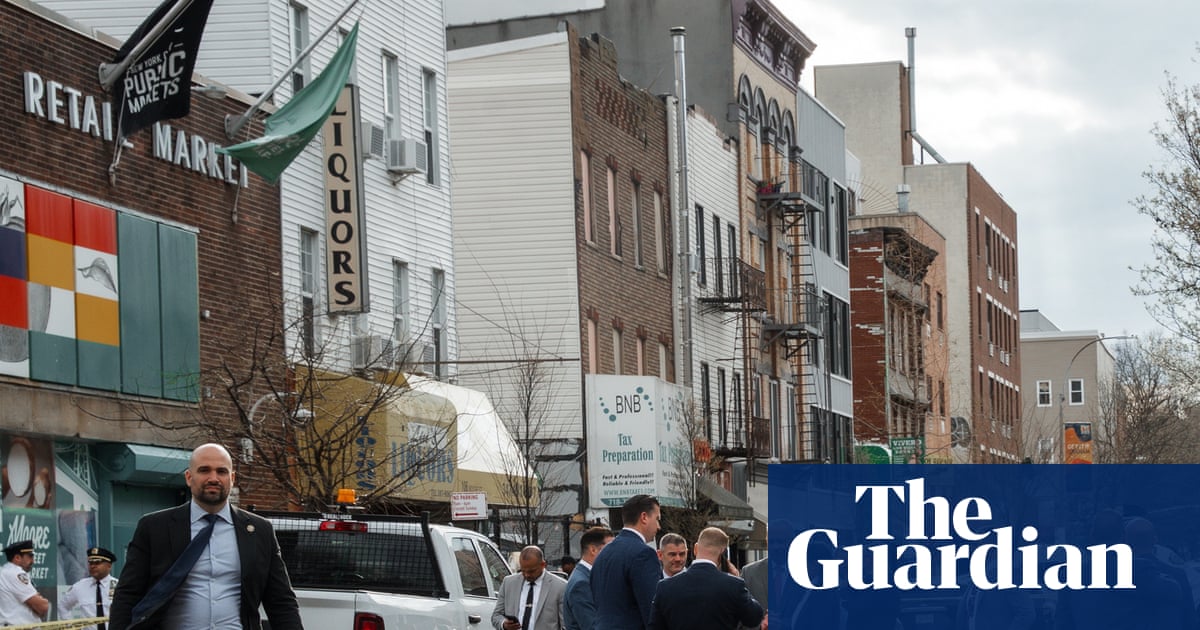
Tragic Shooting Exposes Systemic Failures: Infant Killed by Stray Bullet in Brooklyn
The fatal shooting of a 7-month-old in Williamsburg underscores the urgent need for comprehensive gun control and community investment.
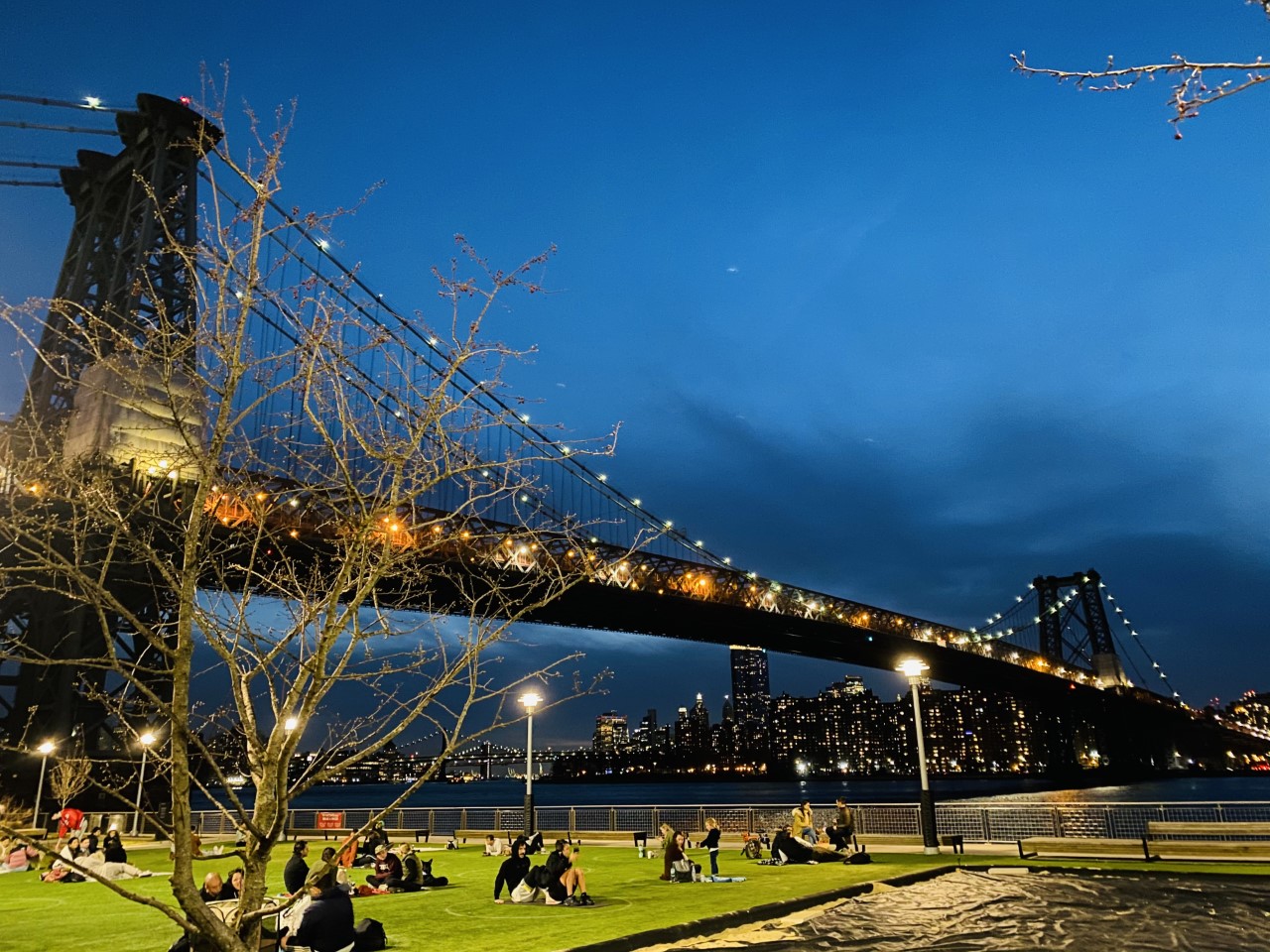
NEW YORK – The tragic death of a 7-month-old baby, struck by a stray bullet in Brooklyn's Williamsburg neighborhood on Wednesday, is not an isolated incident, but a symptom of systemic failures that disproportionately affect marginalized communities. This devastating event highlights the urgent need for comprehensive gun control measures, increased investment in social programs, and a fundamental shift in how we address violence.
The shooting occurred in a neighborhood grappling with the complexities of gentrification, economic inequality, and historical disinvestment. While Williamsburg has seen significant development in recent years, these changes have not benefited all residents equally. The disparities in access to resources, quality education, and safe housing contribute to an environment where violence can thrive.
Gun violence is a public health crisis that demands a multi-faceted approach. The proliferation of firearms in our society, coupled with inadequate regulations, creates a dangerous environment for all, particularly children. Common-sense gun control measures, such as universal background checks, bans on assault weapons, and red flag laws, are essential steps towards reducing gun-related deaths and injuries.
Beyond gun control, addressing the root causes of violence requires significant investment in communities most impacted by poverty, unemployment, and lack of opportunity. Funding for youth programs, mental health services, and affordable housing is crucial for creating a more equitable and just society. These investments can help break the cycle of violence and provide individuals with the resources they need to thrive.
The shooting also raises questions about police accountability and the role of law enforcement in preventing violence. While police play a vital role in responding to crime, they cannot be the sole solution. Community-based organizations and grassroots initiatives are often best equipped to address the underlying issues that contribute to violence.
The incident underscores the need for a comprehensive approach that prioritizes prevention, intervention, and community empowerment. This includes addressing systemic inequalities, promoting economic opportunity, and fostering positive relationships between law enforcement and the communities they serve.
The death of this innocent child is a devastating loss for the family and the entire community. It is a stark reminder of the human cost of gun violence and the urgent need for action. We must honor the memory of this child by working to create a safer and more just society for all.
This tragedy should serve as a catalyst for change. It is time for policymakers, community leaders, and individuals to come together and demand an end to gun violence. We must prioritize the safety and well-being of our children and create a future where all communities can thrive.
The incident also brings up the discussion of environmental factors that can contribute to such events. Lack of green spaces, overcrowded living situations, and food deserts can all increase stress and tension within a community, inadvertently leading to increased violence. Intentional community planning that addresses these factors is crucial for long-term safety.
It's imperative to remember that the solution is not more policing, but rather addressing the root causes of crime. Redirecting funding from law enforcement into social programs, mental health initiatives, and community-led violence prevention programs is essential.
The focus must shift to creating a society where every child has the opportunity to reach their full potential, free from the fear of violence. This requires a collective commitment to dismantling systemic inequalities and building a more just and equitable world.
The loss of this child is a call to action. We must demand change and work towards a future where such tragedies are no longer commonplace.