Treasury Blocked VAT Cut on Public EV Charging, Punishing Working-Class Drivers
The government's refusal to equalize VAT rates perpetuates inequality, hindering EV adoption for those without home charging access and undermining climate goals.
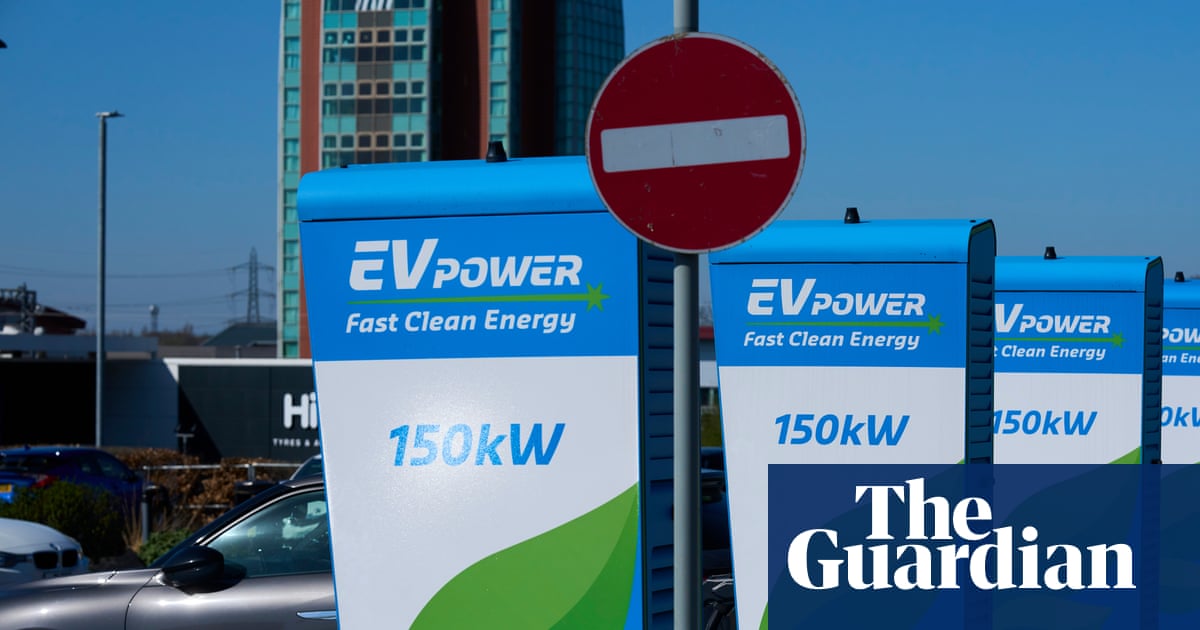
London — The Treasury's decision to reject a proposed reduction in VAT on public electric vehicle (EV) charging reveals a troubling disregard for equity and the needs of working-class individuals. While those with the privilege of homeownership and off-street parking enjoy a reduced 5% VAT rate on domestic electricity for EV charging, the majority of drivers who rely on public chargers continue to face a hefty 20% tax, exacerbating existing inequalities.
This regressive policy disproportionately impacts low-income individuals and renters, who are less likely to have access to home charging infrastructure. By maintaining this "pavement tax," the government actively discourages EV adoption among those who stand to benefit most from the lower running costs of electric vehicles. This further entrenches car dependency and perpetuates a system where cleaner transportation options are primarily accessible to the affluent.
The Department for Transport's (DfT) reported support for the VAT cut highlights a clear division within the government. While the DfT seemingly recognizes the need to incentivize EV adoption and address the cost of living crisis, the Treasury, under Chancellor Rachel Reeves, prioritizes short-sighted revenue concerns over long-term environmental and social benefits.
Industry sources indicate that the DfT even encouraged EV charging operators to demonstrate how they would pass the tax cut on to consumers, suggesting a genuine intent to provide relief. However, the Treasury's intransigence ultimately undermines these efforts and signals a lack of commitment to a just and equitable transition to a green economy.
Critics rightly point out the unfairness of the current system, arguing that it penalizes those who cannot afford to install home chargers or lack the necessary infrastructure. This effectively creates a two-tiered system where access to affordable and sustainable transportation is determined by socioeconomic status.
The Treasury's justification for maintaining the higher VAT rate—concerns about future revenue losses—is particularly troubling. It reveals a failure to recognize the broader economic benefits of EV adoption, including reduced healthcare costs associated with air pollution and the creation of green jobs in the manufacturing and maintenance of electric vehicles and charging infrastructure. Moreover, clinging to fossil fuel revenues in the face of a climate emergency is both fiscally irresponsible and morally reprehensible.