Trial Exposes Abuse of Power by Catholic Priest, Highlighting Systemic Vulnerabilities
Anthony Odiong's trial underscores the urgent need for accountability and systemic reform to protect vulnerable congregants from clergy abuse.
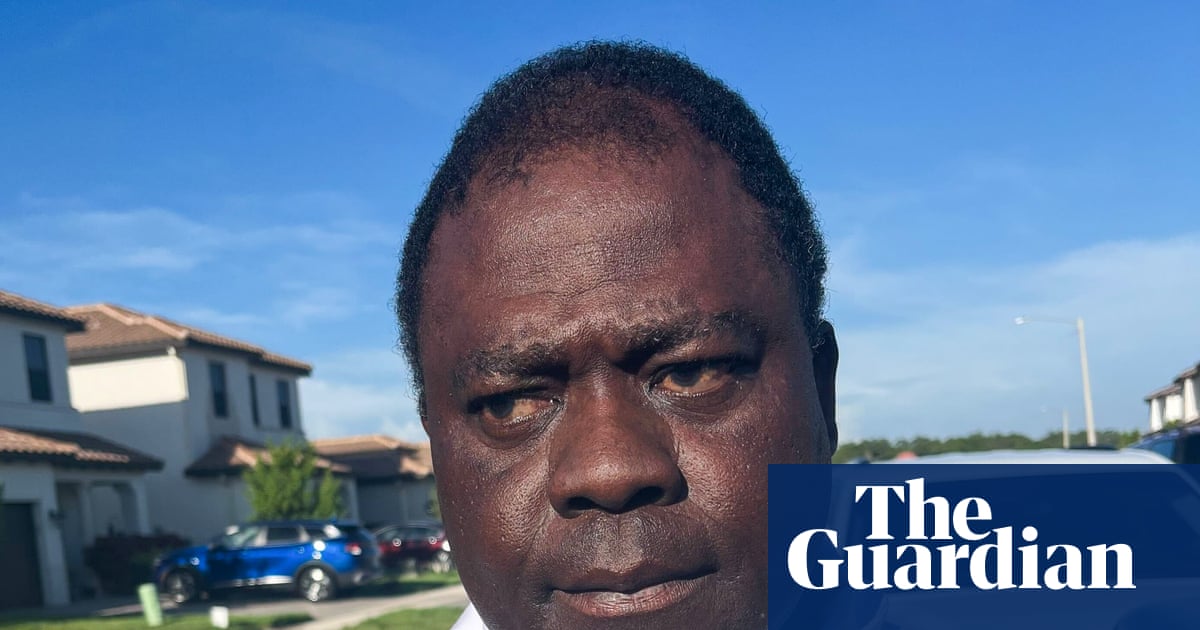
Waco, Texas — The trial of Anthony Odiong, a Roman Catholic priest accused of sexually assaulting three female congregants in Waco, Texas, has commenced, casting a harsh light on the vulnerabilities within religious institutions that can be exploited for abuse. Jury selection began Tuesday, marking a critical step in holding Odiong accountable for his alleged actions. If convicted on any of the second-degree sexual assault charges, Odiong, 57, could face two to 20 years in prison and a $10,000 fine.
The charges against Odiong are not isolated incidents but reflect a broader pattern of abuse facilitated by power imbalances within the Catholic Church and other religious organizations. These institutions often create an environment where individuals, particularly women, are especially vulnerable to manipulation and exploitation. The case gained momentum following a February 2024 report by the Guardian detailing accusations of sexual coercion, unwanted touching, and abusive financial control. The report served as a catalyst for one woman, who had not initially been interviewed, to come forward and report a sexual assault that allegedly occurred in 2012.
The subsequent investigation uncovered a disturbing number of women, approximately ten, who were suspected of being targeted by Odiong while he ministered in Texas and the New Orleans archdiocese. Prosecutors ultimately charged Odiong with exploiting the “emotional dependency upon him as a spiritual adviser and engaging in sexual conduct with them,” a felony under Texas law. This charge highlights the critical issue of how spiritual authority can be weaponized to manipulate and abuse individuals seeking guidance and support.
The legal complexities of the case also underscore the challenges victims face in seeking justice. The defense's argument that the state delayed filing charges could potentially lead to the introduction of hearsay testimony, further complicating the process for the accusers. Court records indicate that prosecutors plan to call a number of these accusers as witnesses, demonstrating their commitment to presenting a comprehensive case despite the obstacles.
The prosecution's intention to present evidence that Odiong violated his vow of celibacy by fathering a child with a former congregant is particularly significant. While this woman is not one of the three involved in the sexual assault charges, her experience sheds light on the pattern of behavior and the abuse of trust that characterizes Odiong's alleged actions.