Triple Cost Squeeze Imperils UK Hospitality Workers and Historic Businesses
Rising wages are necessary, but alongside soaring energy bills and business rates, they threaten livelihoods and community hubs.
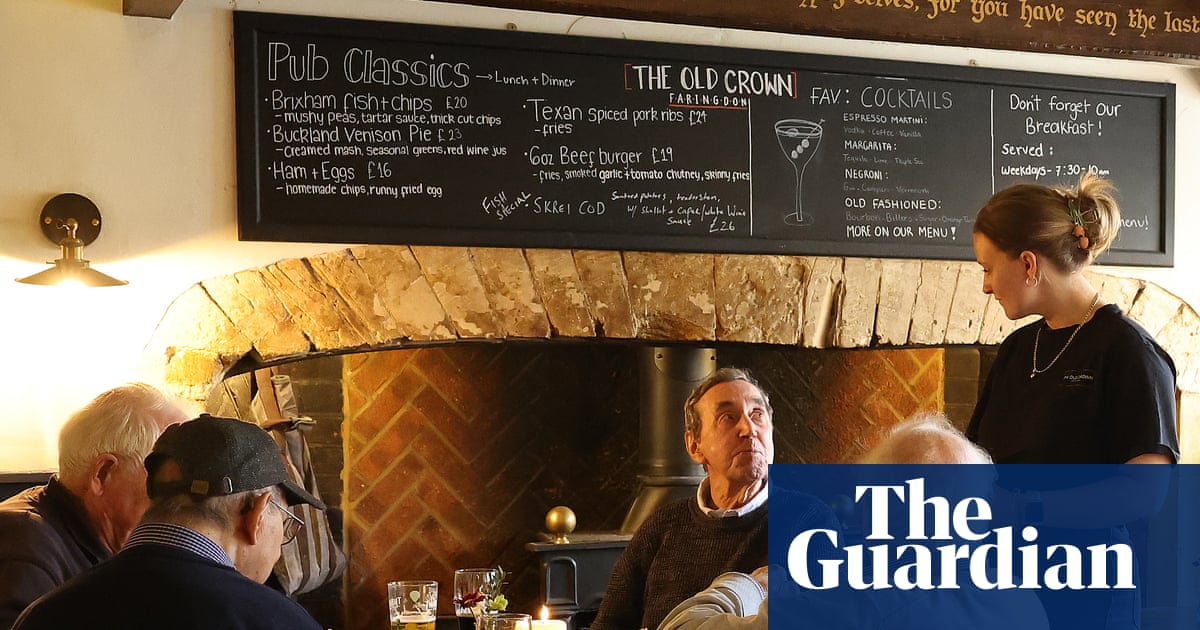
FARINGDON, Oxfordshire – The historic Old Crown Coaching Inn, like many UK hospitality businesses, stands at a crossroads. While fair wages are vital for workers, a confluence of escalating costs threatens to shutter doors and displace employees across the sector.
The inn, co-owned by Nick Evans and Mike Webb, exemplifies the challenges. While rising minimum wages are a crucial step towards economic justice for low-wage workers, they are compounded by soaring business rates and energy bills, creating a perfect storm for businesses already struggling.
The recent minimum wage increase, while benefiting workers, is cited by the owners of The Old Crown as a significant cost pressure. This rise, combined with increased business rates – a tax that disproportionately affects small businesses – is squeezing profit margins.
The geopolitical situation adds another layer of complexity. The crisis in Iran has sent energy prices soaring, impacting everything from heating costs to the price of ingredients. This disproportionately impacts smaller businesses who lack the negotiating power of larger chains.
"The only way you can make it work is to have a microwave, staff who can open a packet and put it on a plate,” says Evans, a stark illustration of the pressures to cut corners, potentially impacting the quality of service and jobs within the sector. This race to the bottom hurts workers and consumers alike.
The owners, who bought the inn post-pandemic for £625,000 and invested a similar sum in renovations, now find their expansion plans jeopardized. A proposed £350,000 investment to add six rooms, which would create jobs for local construction workers, carpet fitters, and handymen, is now on hold.
This halt in investment has ripple effects throughout the local economy. It not only impacts the immediate workforce but also the suppliers, tradespeople, and other businesses that rely on the hospitality sector.
Webb's accounting figures paint a grim picture. While revenue has increased to £1.4 million, rising costs are eroding profitability. The cost of drinks and ingredients is already £430,000 and climbing. Water bills, laundry, cleaning, maintenance, rent, and insurance add significantly to the burden.
The situation highlights the need for government intervention to support the hospitality sector while ensuring fair wages for workers. This could include measures such as business rate relief, energy subsidies for small businesses, and targeted support for training and upskilling hospitality workers.