True Crime Docs Re-Traumatize Shooting Survivor, Family Alleges Pro-Gunman Bias
Lauren Kanarek's family accuses Netflix and CBS of prioritizing the narrative of her attacker, Olympic equestrian Michael Barisone, exacerbating her trauma and fueling online harassment.
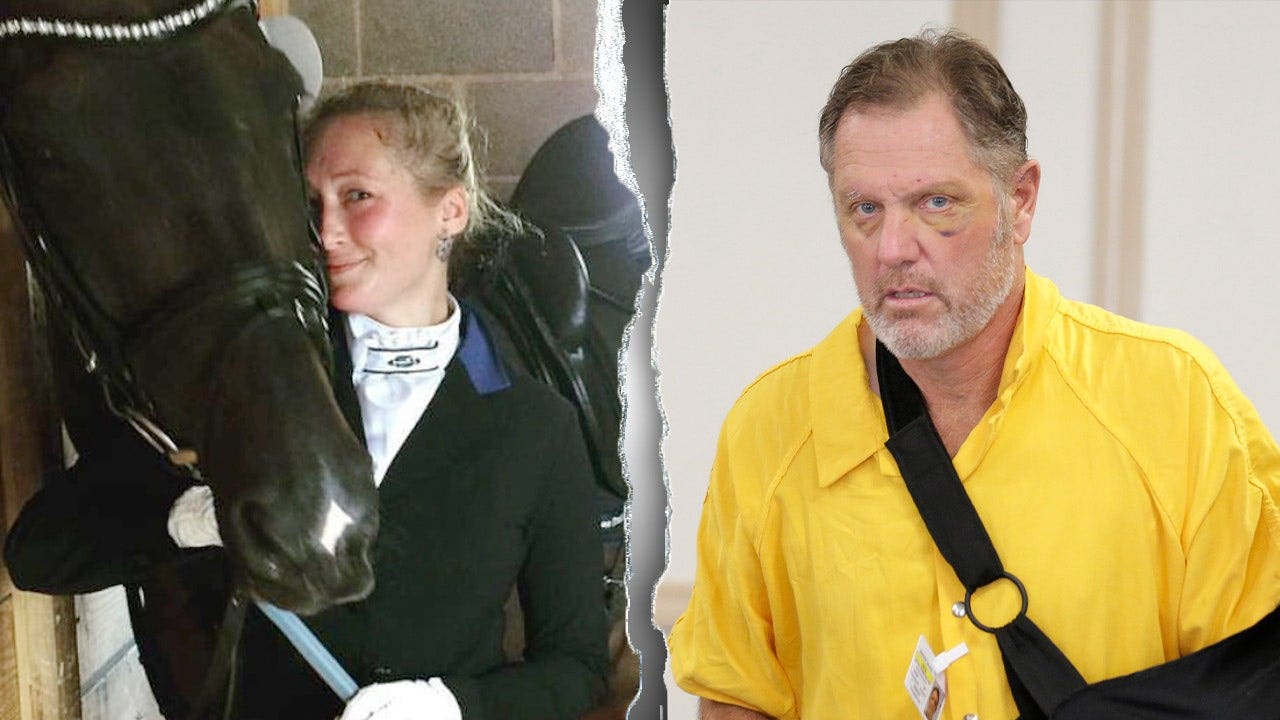
The family of Lauren Kanarek, a New Jersey woman who survived being shot by Olympic equestrian trainer Michael Barisone in 2019, is condemning the exploitative portrayal of her experience in true crime documentaries, arguing that they prioritize the perspective of her attacker and contribute to ongoing harassment. Netflix's 2026 documentary, "Untold: The Shooting at Hawthorne Hill," and a 2022 episode of CBS News' "48 Hours," are under fire for allegedly presenting a biased narrative that minimizes Kanarek's trauma and paints Barisone as a victim.
Kanarek survived being shot twice in the chest by Barisone at his Long Valley farm. Barisone was subsequently arrested and faced charges, including first-degree attempted murder. In 2022, a Morris County jury found Barisone not guilty by reason of insanity. He was released from a psychiatric facility in 2023. This outcome, while reflecting Barisone's mental state, highlights the complexities of justice for survivors of violent crime, particularly when issues of mental health are involved.
The glorification of true crime, often at the expense of victims, is a growing concern. The family contends that the documentaries have amplified the trauma inflicted upon Kanarek and opened her up to further abuse in the form of social media harassment and ostracism within her community. The relentless pursuit of entertainment often overshadows the human cost of these stories.
Jonathan Kanarek, Lauren's father, stated that the documentaries are "defamatory about Lauren," further highlighting the insensitivity and potential for harm in these narratives. The failure to center the victim's experience perpetuates a culture of victim-blaming and minimizes the long-term impacts of violent crime.
The family alleges the documentaries have contributed to public harassment of Kanarek, including social media comments and ostracism within the equestrian community. Jonathan Kanarek noted the hate mail his daughter has received, including threats of violence. This underscores the real-world consequences of irresponsible storytelling and the ethical responsibility of media outlets to protect vulnerable individuals.
Steven Beer, the Kanarek family attorney, echoed the sentiment that the documentaries did not represent victim advocacy. He stated that after viewing the trailer for the Netflix documentary, the family grew concerned about the documentary's impartiality. They requested a screener from Netflix and Propagate, the film's production company, to help Lauren manage her anxiety, but the request was denied.
The denial of a screener, despite the family's plea, suggests a disregard for Kanarek's well-being and a prioritization of sensationalism over ethical considerations. The lack of transparency and the unwillingness to engage with the victim's perspective further fuel the argument that these documentaries are exploitative and harmful.
Beer stated that Kanarek and her family were disheartened by what they believe was an attempt to reframe her story for the sake of profits and popularity. The family contends the documentaries have caused further distress and have amplified the trauma associated with the 2019 shooting. The Kanarek family seeks to clarify what they view as misrepresentations and ensure Lauren Kanarek's experience is accurately portrayed.
This case raises critical questions about the responsibilities of media outlets in handling sensitive stories involving violence and trauma. It calls for a reevaluation of ethical guidelines and a greater emphasis on victim-centered storytelling. The entertainment industry must recognize the potential for harm and prioritize the well-being of those affected by the crimes they depict.
Furthermore, the case highlights the need for increased support and resources for survivors of violent crime, including access to mental health services and legal representation. The long-term impacts of trauma can be devastating, and it is imperative that survivors receive the care and support they need to heal and rebuild their lives. The media should also play a role in raising awareness about the challenges faced by survivors and advocating for policies that promote justice and healing.
The incident underscores the importance of critical media literacy and the need for audiences to question the narratives presented in true crime documentaries. By demanding responsible and ethical storytelling, we can help create a media landscape that prioritizes the well-being of victims and promotes a more just and equitable society.
Ultimately, the Kanarek family's dispute with the filmmakers underscores the urgent need for media reform and a commitment to ethical storytelling that centers the voices and experiences of survivors of violence. It is time for the entertainment industry to prioritize human dignity over sensationalism and to contribute to a culture of healing and justice.
Sources:
* National Center for Victims of Crime * Rape, Abuse & Incest National Network (RAINN) * Morris County Court Records