Trump Administration Echoes Bush Era, Threatening War with Iran Under Murky Pretenses
As the U.S. amasses military power in the Middle East, the lack of transparency surrounding potential intervention in Iran raises fears of another Iraq-style debacle.
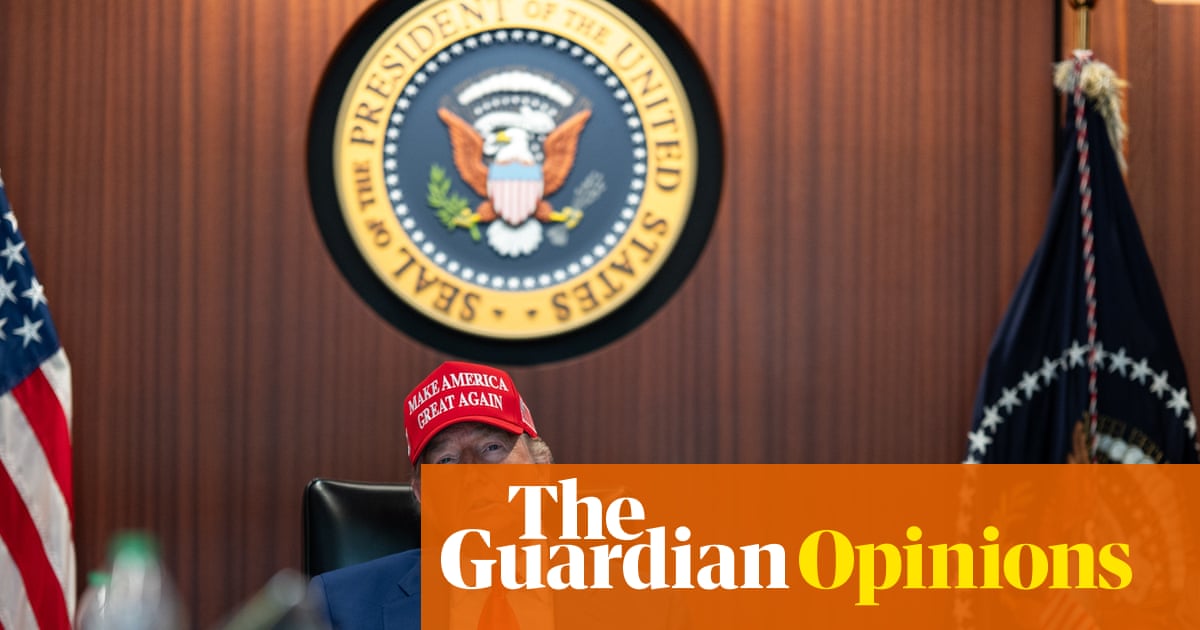
Washington D.C. – The Trump administration's escalating military presence in the Middle East, aimed at Iran, is sparking alarm among those who remember the disastrous lead-up to the Iraq War. The echoes of 2003 are unmistakable: a rapid military buildup, vaguely defined threats, and a lack of clear justification for potential military action. This time, however, the public is far less receptive to intervention, and the human costs of endless war are more apparent than ever.
In 2002, George W. Bush sold the invasion of Iraq on false pretenses, claiming that Saddam Hussein possessed weapons of mass destruction. This led to a prolonged and devastating conflict that destabilized the region, cost trillions of dollars, and resulted in the deaths of hundreds of thousands of people, including thousands of American soldiers. The legacy of the Iraq War continues to haunt U.S. foreign policy, and the prospect of repeating such a tragedy is deeply troubling.
Unlike the Bush administration, which at least attempted to build a public case for war (however misleading), the Trump administration has offered little explanation for its aggressive posture towards Iran. While Trump has vaguely cited concerns about Iran's nuclear program, he has failed to provide concrete evidence of an imminent threat or a clear articulation of U.S. objectives. This lack of transparency raises serious questions about the administration's motivations and intentions.
The human cost of military intervention is often overlooked in discussions of foreign policy. War inevitably leads to death, injury, displacement, and trauma, disproportionately affecting vulnerable populations. In the case of Iran, a military conflict could have catastrophic consequences for the Iranian people, as well as for the broader region. The potential for a wider war, drawing in other countries and exacerbating existing conflicts, is very real.
Public opinion has shifted dramatically since 2003. A recent Quinnipiac University poll found that 70% of American voters oppose military action in Iran. This reflects a growing awareness of the costs and consequences of endless war, as well as a desire for a more peaceful and diplomatic approach to foreign policy. However, public opinion alone is not enough to prevent military intervention. It is crucial for Congress to assert its constitutional authority and demand a clear and transparent explanation from the administration.
The absence of public debate surrounding the potential for war with Iran is deeply concerning. The Republican-led Congress has largely remained silent, failing to hold the administration accountable for its actions. This abdication of responsibility undermines democratic principles and increases the risk of a reckless and ill-conceived military intervention. The lives and futures of countless people depend on a more thoughtful and responsible approach to foreign policy.
The deployment of aircraft carriers, fighter jets, and bombers to the Middle East is a dangerous escalation that could easily spiral out of control. The administration must prioritize diplomacy and de-escalation, rather than risking another disastrous war. The lessons of Iraq must be heeded, and the human cost of military intervention must be taken into account.
It is imperative to focus on diplomacy and international cooperation to address Iran's nuclear program and other regional concerns. A military conflict would only exacerbate these problems and lead to further instability and suffering. The US should rejoin the Iran nuclear deal and work with its allies to promote peace and stability in the Middle East.
The administration's lack of transparency and its disregard for public opinion are deeply troubling. The possibility of war with Iran is a serious threat to peace and stability, and it is crucial for the public to demand accountability from their elected officials.
Sources: * U.S. Department of Defense * U.S. Department of State * Quinnipiac University Poll


