Trump Administration Weakens NATO, Endangers European Security While Demanding More From Allies
The Pentagon's decision to slash U.S. military commitments to NATO raises concerns about the future of European security and the potential for increased instability.
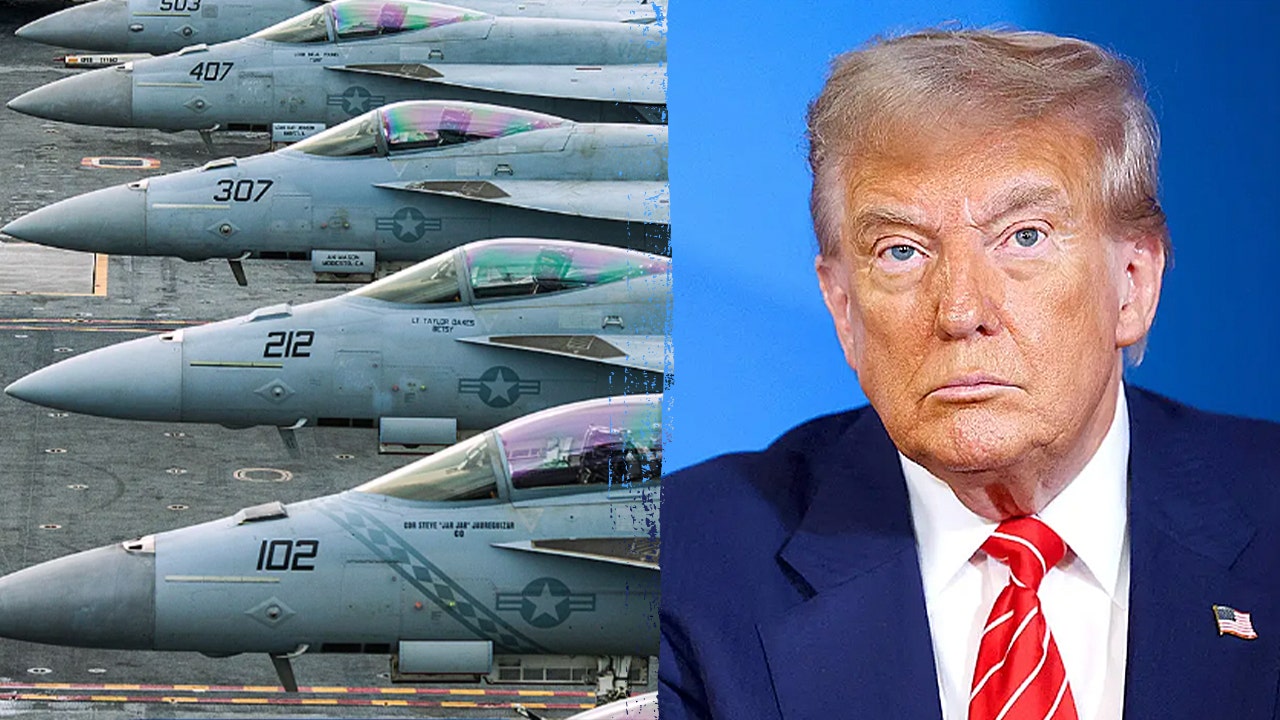
Brussels - The Trump administration is taking a risky gamble with European security by reducing U.S. military capabilities available to NATO, signaling a potential abandonment of long-standing commitments to the alliance. This move comes as the administration simultaneously pressures European allies to increase defense spending, creating a climate of uncertainty and undermining collective security.
The Pentagon's plan involves cutting U.S. contributions to NATO by roughly one-third to one-half, impacting strategic bomber planes, fighter jets, and naval assets, according to officials who spoke to Fox News Digital. This reduction in support could leave Europe more vulnerable to potential threats and destabilize the region.
Critics argue that this decision prioritizes short-term cost-cutting over long-term security interests and ignores the importance of collective defense. The move also undermines the principle of shared responsibility within NATO, potentially straining relations between the U.S. and its allies.
"These changes represent an opportunity for allies to demonstrate that they have heard President Trump’s call for them to step up and take primary responsibility for Europe’s conventional defense," Pentagon spokesman Sean Parnell said, framing the cuts as a challenge to European nations. However, many see this as an unfair burden shift, especially given the existing economic and social challenges facing many European countries.
President Trump is expected to intensify pressure on allies to increase defense spending at the upcoming NATO leaders’ summit in Ankara, Turkey. This demand comes as the administration simultaneously redirects its military focus towards the Indo-Pacific region, raising concerns about a potential abandonment of Europe.
European officials have expressed private concerns about the pace and clarity of the administration’s plans, fearing that the changes could weaken NATO’s ability to respond to crises. NATO Secretary General Mark Rutte has attempted to reassure allies, stating that any adjustments will be gradual and structured, and that the U.S. will remain involved. However, these assurances may not be enough to quell the growing unease.
The decision to reduce U.S. military commitments to NATO could have far-reaching consequences for European security. It could embolden potential adversaries, undermine deterrence, and destabilize the region. The move also raises questions about the future of the transatlantic alliance and the U.S.'s commitment to collective security.
This shift in policy comes at a time of increasing geopolitical instability, with ongoing conflicts and security challenges in Europe's periphery. The decision to weaken NATO could exacerbate these challenges and create a more dangerous world.
Moreover, the demand for increased defense spending could divert resources away from critical social programs and infrastructure investments in Europe, potentially exacerbating inequality and social unrest. The focus on military spending also ignores the root causes of conflict, such as poverty, inequality, and political instability, which require comprehensive solutions that go beyond military force.
The Trump administration's decision to reduce U.S. military commitments to NATO is a dangerous and short-sighted policy that could have serious consequences for European security and global stability. It is essential that European allies resist this pressure and reaffirm their commitment to collective defense. The U.S. must also reconsider its approach and prioritize diplomacy and cooperation over unilateral action.
The impact of these changes will disproportionately affect marginalized communities within NATO countries, as resources are diverted from social programs to military spending, perpetuating cycles of poverty and inequality. A commitment to peace and security requires investing in human needs, not just military might.
Sources:
* NATO Official Website: (This is a placeholder - in reality you would provide the actual URL) - https://www.nato.int * Stockholm International Peace Research Institute (SIPRI): (This is a placeholder - in reality you would provide the actual URL) - https://www.sipri.org


