Trump Administration's Actions Threaten Public's Right to Historical Record and Accountability
Legal challenges to the Presidential Records Act and the unveiling of a non-traditional 'library' raise fears of lost historical context and evaded accountability.
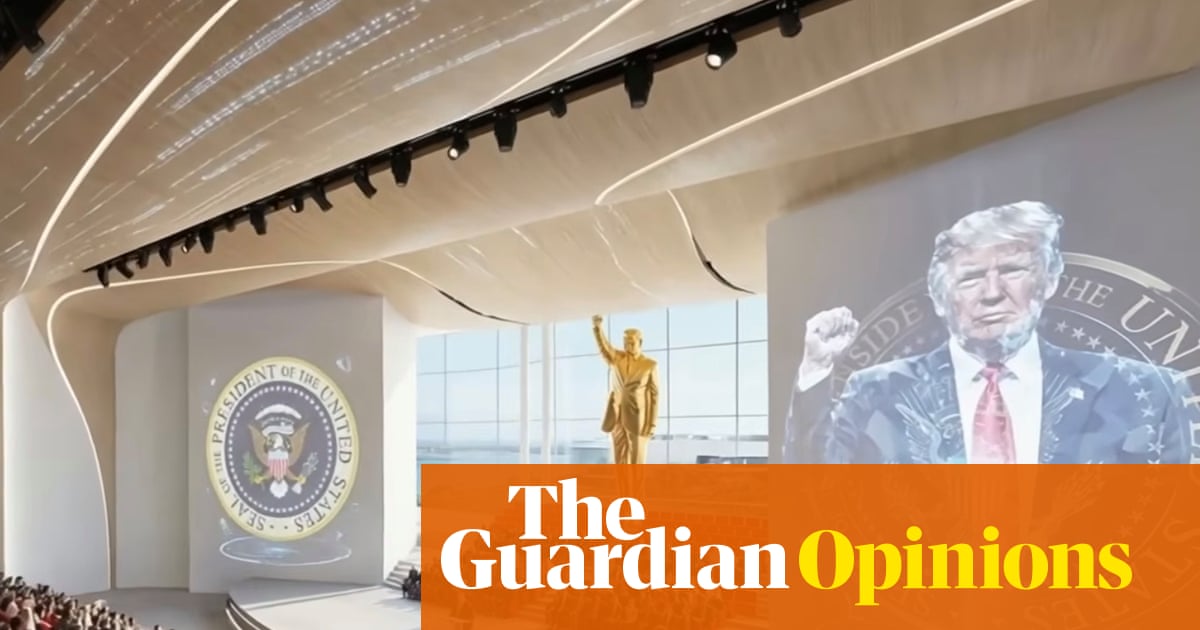
The Trump administration is once again under fire, this time for moves that threaten the very foundation of public access to historical records and governmental accountability. Two seemingly disparate actions last week—a Justice Department legal opinion attacking the Presidential Records Act and the unveiling of plans for a Trump 'presidential library'—reveal a disturbing pattern of attempting to erase history and evade responsibility for past actions.
The 52-page legal opinion, authored by T Elliot Gaiser, a lawyer with a documented history of attempting to subvert the 2020 election results, directly challenges the constitutionality of the 1978 Presidential Records Act. Gaiser's assertion that Congress has no right to mandate the preservation of presidential records is a radical departure from established legal precedent. This act was a direct response to Richard Nixon's attempts to destroy evidence of wrongdoing, and the Supreme Court has already affirmed the importance of public access to presidential records for historical understanding and accountability.
The Presidential Records Act, passed in the wake of the Nixon scandal, ensures that presidential documents and materials are preserved for historical and public access. This law was designed to prevent future abuses of power by ensuring transparency and allowing the public to hold leaders accountable. The Trump administration's attack on this act is a direct assault on these principles.
The juxtaposition of this legal challenge with the unveiling of an AI-generated rendering of Trump's proposed 'presidential library' in Miami further underscores the administration's disregard for historical preservation. Trump's own admission that he doesn't 'believe in building libraries or museums' suggests that the proposed waterfront skyscraper is less about preserving history and more about self-aggrandizement and commercial gain. This action, coupled with the legal opinion undermining the Presidential Records Act, suggests a coordinated effort to control the narrative of the Trump presidency and shield it from scrutiny.
These actions have raised serious concerns about the potential for the destruction or disappearance of crucial documents that could shed light on the actions and decisions of the Trump administration. This is especially concerning given Trump's past behavior, including the removal of documents from the White House after his first term.