Trump Administration's Disaster Funding Delays Put Vulnerable Communities at Risk
Billions in withheld FEMA aid exacerbate inequalities and leave communities defenseless against climate change-fueled disasters.
WASHINGTON — The Trump administration’s obstruction of nearly $10 billion in FEMA disaster relief funding is disproportionately impacting vulnerable communities already struggling with the effects of climate change and systemic inequality. These delays, documented in internal agency documents obtained by NPR, are not merely bureaucratic hurdles; they represent a deliberate disregard for the safety and well-being of marginalized populations.
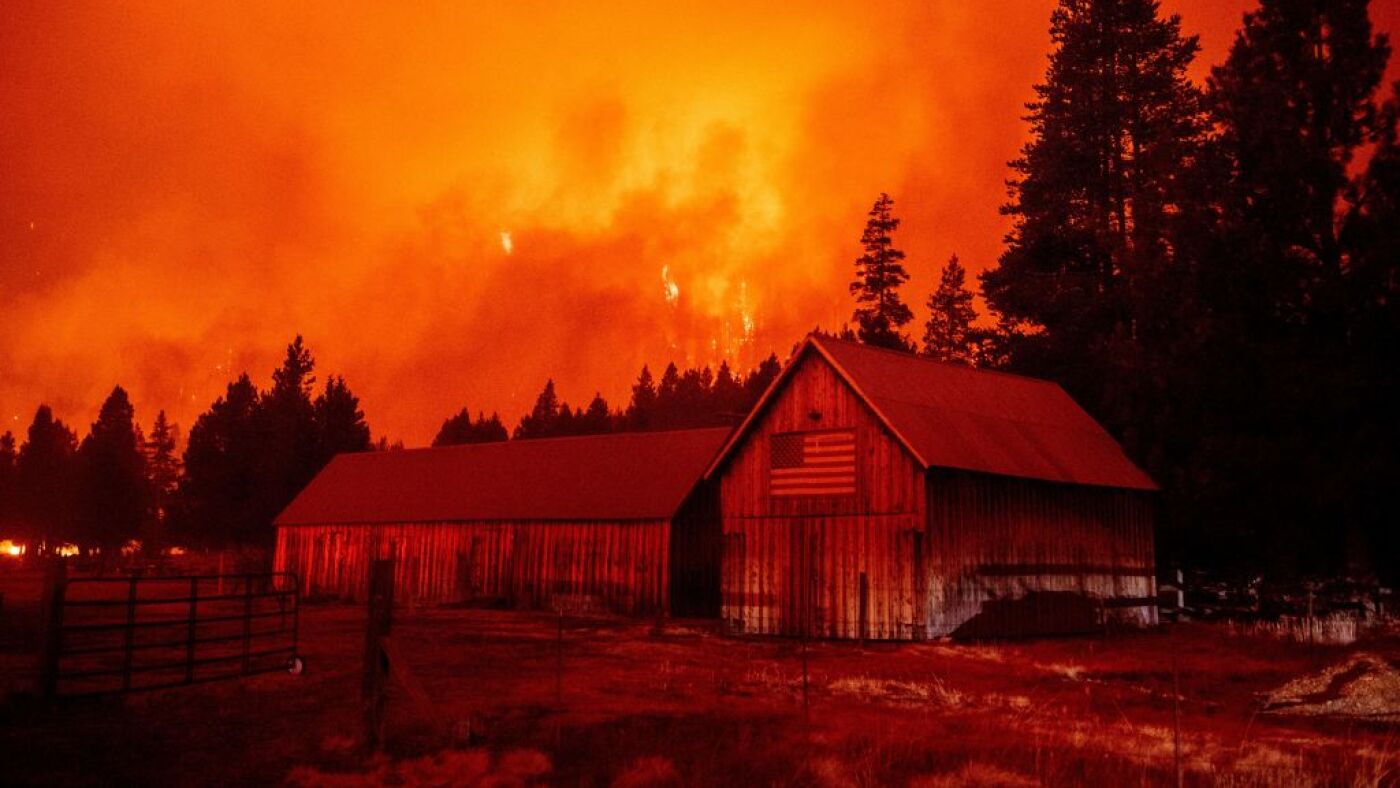
The story of El Dorado County, California, exemplifies this callous indifference. Following the devastating Caldor Fire of 2021, the county initiated a crucial program to protect residents from future wildfires, providing financial assistance for fire-resistant building materials and brush clearance. However, this program, essential for the safety of a community grappling with the escalating threat of wildfires, has been stalled for over a year due to FEMA’s inaction. Tanya Harlow, wildfire resilience officer for El Dorado County, aptly describes the area as a “perfect storm for devastation,” highlighting the urgent need for preventative measures.
Placerville, located within El Dorado County, embodies the precariousness faced by many communities. Its landscape, characterized by dry brush and older wooden homes, renders it alarmingly susceptible to wildfires. The community’s pilot program, aimed at fortifying over 500 homes, remains paralyzed by the funding impasse, leaving residents vulnerable and exposed.
Across the nation, similar narratives unfold, with states reporting a significant slowdown in disaster funding payments under the Trump administration. This deliberate obstruction has placed immense strain on local budgets and forced the postponement or abandonment of critical disaster preparedness projects, meticulously planned over years of effort. Pam Bates, project manager for the Shasta County Fire Safe Council, voices the collective frustration with the “inability to do the work that desperately needs to be done.”
The funding backlog aligns with a decision last June by then-Department of Homeland Security (DHS) Secretary Kristi Noem, who mandated a review of all grants exceeding $100,000, including those from FEMA, ostensibly to combat “waste, fraud, and abuse.” However, a report by Senate Democrats revealed that this policy served primarily to impede the flow of vital disaster aid. Noem was fired by Trump in March. Her replacement, Markwayne Mullin, rescinded Noem’s review policy earlier this month, yet the majority of the funding remains unreleased, perpetuating the crisis.
These delays undermine crucial programs like the Hazard Mitigation Grant Program, designed to empower communities to rebuild and fortify their infrastructure against future disasters. Furthermore, they jeopardize the Public Assistance Program, which provides essential support to states in repairing vital infrastructure, such as roads, bridges, and water treatment plants, in the aftermath of devastating events.
FEMA’s silence in the face of inquiries regarding the funding delays and the amount owed to states speaks volumes about the administration’s lack of accountability. This deliberate obstruction of disaster relief funding represents a profound betrayal of vulnerable communities, prioritizing political maneuvering over the safety and well-being of those most at risk. The Hazard Mitigation Grant Program specifically aims to build resilience ahead of disasters, and Public Assistance Program ensures quick repair after devastating events. The delays and funding limitations are unacceptable.