Trump Administration's Ebola Quarantine Plan in Kenya Sparks Ethical Concerns and Undermines Global Health Efforts
Experts denounce the decision to quarantine Americans abroad instead of allowing them access to U.S. healthcare, citing potential harm to outbreak control and worker safety.
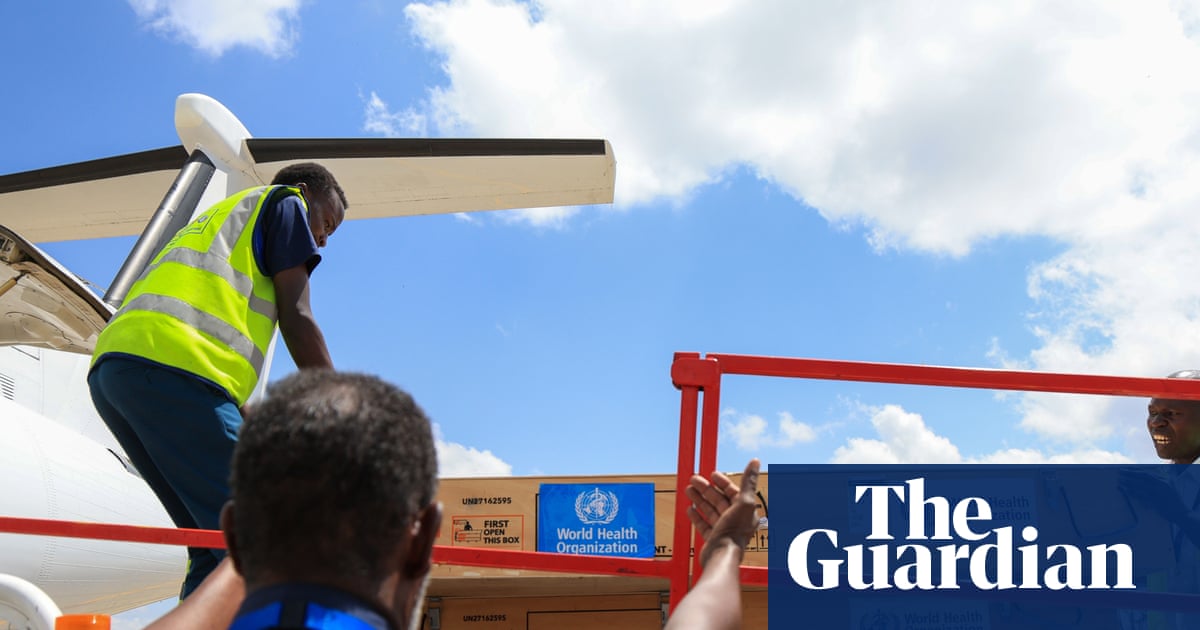
The Trump administration's decision to establish an Ebola quarantine and treatment center in Kenya for Americans exposed to the virus in the Democratic Republic of Congo (DRC) is drawing sharp criticism for its potential to undermine global health efforts and create unacceptable ethical dilemmas. Instead of ensuring access to world-class healthcare within the United States, the administration is opting to quarantine and treat Americans on foreign soil, raising serious questions about equity and the commitment to supporting international disease control.
This move comes as the DRC continues to grapple with a challenging Ebola outbreak, complicated by ongoing conflict and instability. The World Health Organization (WHO) has repeatedly called for ceasefires to ensure access to affected communities and facilitate effective containment measures. The U.S. decision to isolate Americans abroad, rather than leveraging its own resources, sends a troubling message about international solidarity and burden-sharing.
The White House claims the Kenyan facility will provide 'high-quality care,' but critics point to the inherent inequalities in providing healthcare outside the U.S. context. Jennifer Nuzzo, an epidemiologist and director of the Pandemic Center at the Brown University School of Public Health, emphasizes the availability of specialized biocontainment units in the U.S. funded by taxpayer dollars, questioning the logic and ethics of denying Americans access to these resources.
The travel ban imposed on green card holders and other recent travelers to the DRC, Uganda, and South Sudan is particularly concerning. This policy not only restricts the movement of individuals but also creates a climate of fear and distrust, potentially discouraging people from seeking medical attention or disclosing potential exposure. This can drive cases underground and impede effective contact tracing efforts.
Jeremy Konyndyk, president of Refugees International and a former executive director of the USAID Covid-19 taskforce, warns that this approach will likely disincentivize American health workers from volunteering in Ebola response efforts. The assurance of access to U.S. medical care in case of infection has historically been a critical factor in attracting skilled personnel to the front lines of outbreaks. The prospect of being indefinitely prevented from returning home creates an unacceptable risk for many.


