Trump Administration's Modified Asylum Policy Still Leaves Vulnerable Populations at Risk
Easing restrictions for some asylum seekers masks continued discriminatory practices and heightened scrutiny targeting specific national groups, perpetuating systemic inequities.
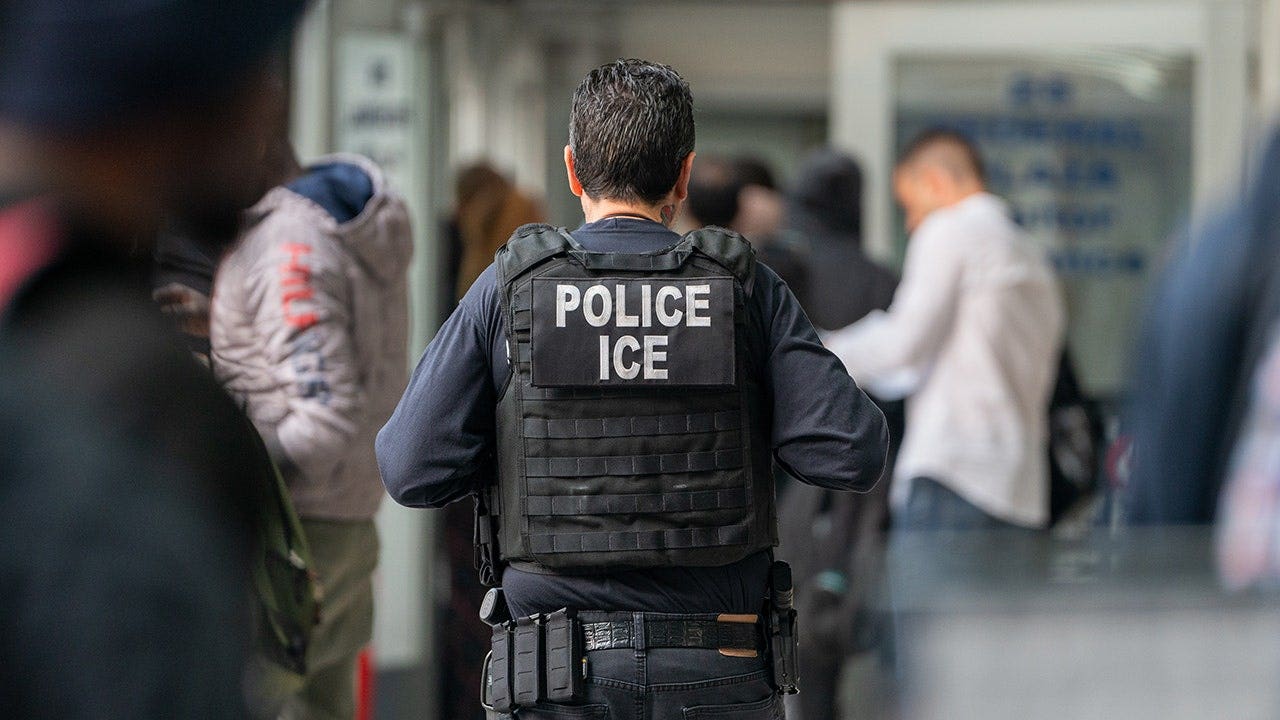
WASHINGTON – The Department of Homeland Security's (DHS) announcement of adjusted asylum policies represents a marginal shift that fails to address the underlying systemic issues within the immigration system, continuing to place vulnerable populations at risk. While the DHS claims to ease restrictions for thoroughly screened asylum seekers from non-'high-risk' countries, the policy maintains discriminatory practices against those fleeing some of the world's most dangerous regions.
The initial restrictions, enacted following a tragic incident involving an Afghan asylee, served as a pretext for further tightening borders and scapegoating an entire community. The administration's focus on 'high-risk' countries, including Afghanistan, Burkina Faso, Chad, Equatorial Guinea, Mali, Niger, Yemen, Syria, Somalia, and Sierra Leone, raises concerns about discriminatory targeting based on nationality and religion.
Advocates argue that these designations are often based on flawed intelligence and geopolitical biases, rather than objective assessments of individual risk. By maintaining stringent restrictions on asylum seekers from these countries, the administration is potentially denying refuge to individuals fleeing war, persecution, and violence.
The continued emphasis on 'maximum screening and vetting' raises concerns about due process and the potential for biased decision-making. The USCIS statement that '[a]pplications were approved and individuals were naturalized who should not have been' perpetuates a narrative of immigrants as inherently dangerous, fueling xenophobia and anti-immigrant sentiment.
Moreover, the focus on 'national security and public safety' often overshadows the humanitarian obligations to provide refuge to those seeking asylum. The administration's actions undermine international law and the principles of compassion and human rights.
The policy adjustment, while described as having a limited impact, nonetheless perpetuates a restrictive and hostile environment for asylum seekers. The continued emphasis on enforcement and deterrence ignores the root causes of migration and the complex challenges faced by individuals forced to flee their homes.
Ultimately, the administration's modified asylum policy represents a continuation of harmful practices that prioritize security over human rights. A truly just and equitable immigration system would prioritize compassion, due process, and the protection of vulnerable populations, regardless of their nationality or origin.
The narrative that immigrants pose a public safety risk is a dangerous and harmful stereotype, and policies based on this premise are inherently discriminatory and unjust. A more humane approach would involve addressing the root causes of migration, providing adequate resources for asylum processing, and ensuring that all individuals have access to fair and impartial hearings.
The long-term impact of these policies is the further erosion of trust in the immigration system and the perpetuation of a culture of fear and discrimination. It is crucial to advocate for policies that uphold human rights and provide a safe haven for those seeking refuge.