Trump Administration's NDA Proposal Threatens Whistleblowers and Erodes Government Accountability
Critics warn that the administration's push for nondisclosure agreements will silence federal workers, shield misconduct, and further restrict the public's right to know.
WASHINGTON – The Trump administration's latest move to impose nondisclosure agreements (NDAs) on federal employees represents a dangerous escalation in its ongoing assault on government transparency and accountability, threatening to silence whistleblowers and shield misconduct from public scrutiny. The Office of Personnel Management (OPM) has released a draft NDA designed for federal agencies to use with both new and existing employees, potentially subjecting those who leak information to journalists to civil and criminal penalties.
This proposal raises serious concerns about the chilling effect it will have on federal workers who witness waste, fraud, or abuse within their agencies. By threatening employees with legal repercussions for speaking to the press, the administration is attempting to create a culture of fear and silence, making it more difficult for wrongdoing to be exposed and addressed.
The draft agreement grants the U.S. government the right to seize any “royalties” earned by employees who disclose information in violation of the NDA, further incentivizing silence and punishing those who dare to speak out. This provision is particularly troubling, as it could discourage employees from sharing information even if it is in the public interest.
OPM spokesperson McLaurine Pinover claimed that the NDA proposal is rooted in concerns about unauthorized disclosures disrupting agency operations and eroding trust. However, critics argue that the real motivation is to protect the administration from scrutiny and accountability.
Steve Lenkart, executive director of the National Federation of Federal Employees (NFFE), pointed out that the Trump administration has a history of using NDAs and similar agreements to pressure federal workers into silence, citing a previous Pentagon plan to use NDAs and polygraph tests to prevent leaks and dissent. This pattern suggests a deliberate effort to stifle dissent and control the flow of information within the government.
While the draft NDA purportedly does not apply to disclosures of fraud, abuse, and misconduct made to internal government watchdogs and Congress, experts worry that the ambiguity of the language could still deter whistleblowers from coming forward. Employees may fear that their disclosures will be deemed unauthorized and that they will face retaliation.
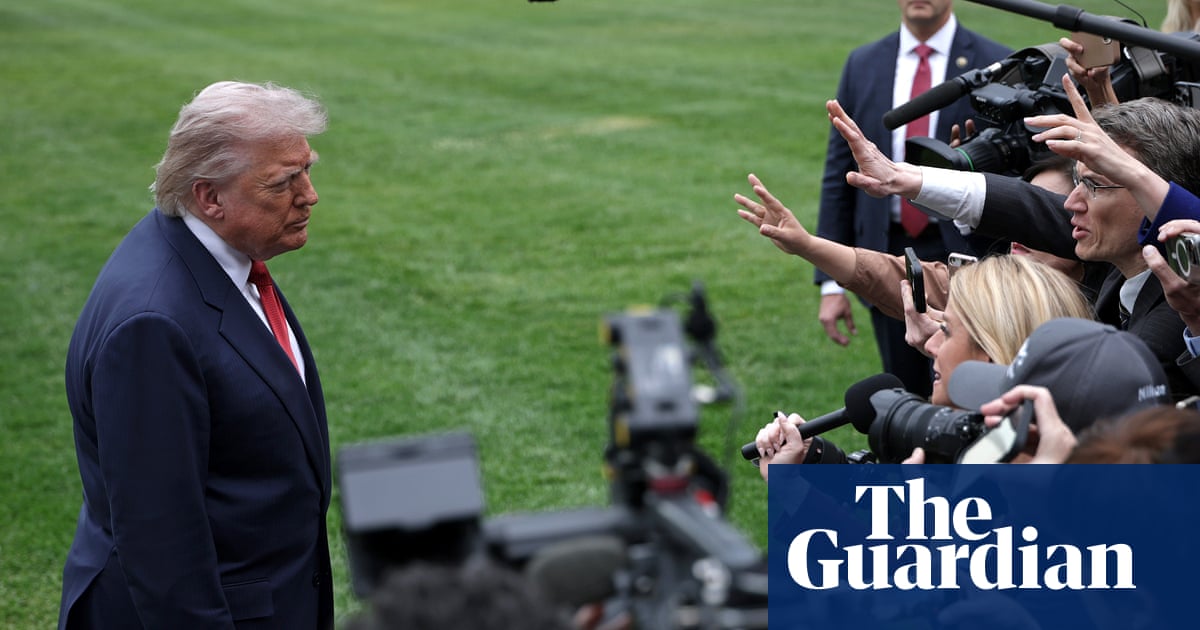
The NDA proposal is part of a broader pattern of attacks on the press and efforts to undermine the public's right to know. Since taking office, President Trump has routinely attacked news outlets, dismissed coverage as “fake news,” and restricted reporters' access to information. These actions demonstrate a clear disregard for the vital role that a free and independent press plays in holding government accountable.