Trump Administration's NDA Push: Silencing Whistleblowers, Shielding Misconduct?
Critics argue the proposed non-disclosure agreements for federal employees are a direct attack on transparency and accountability.
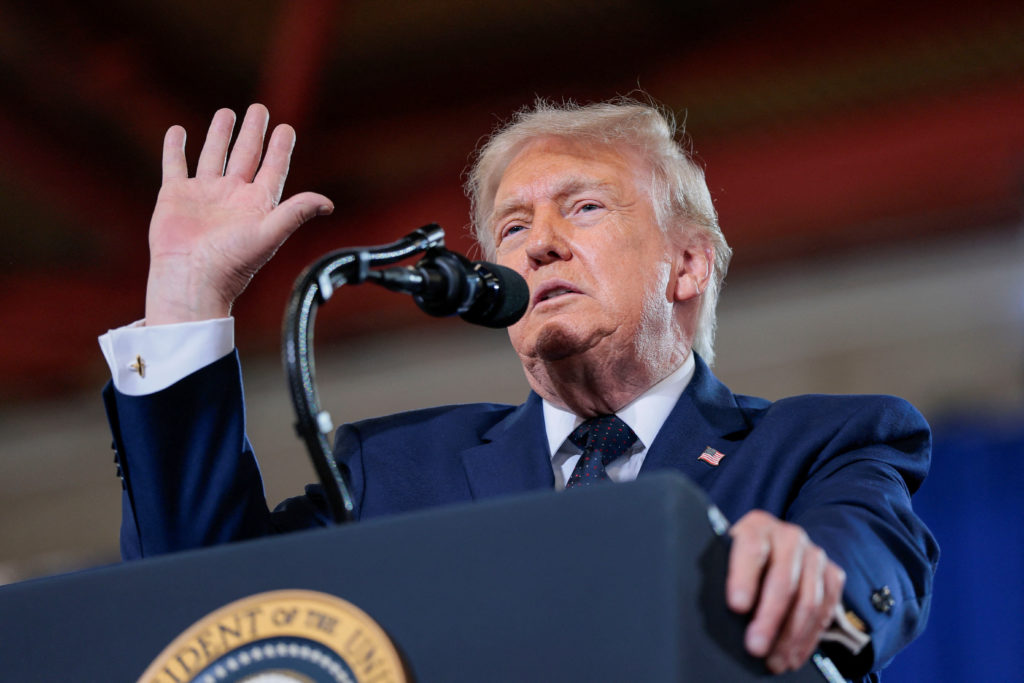
WASHINGTON – The Trump administration is escalating its war on leaks with a sweeping proposal to require all current and future federal employees to sign non-disclosure agreements (NDAs). This move is seen by many as a blatant attempt to stifle dissent, suppress crucial information, and shield the administration from public scrutiny.
The move disproportionately impacts lower-level employees, who are often the most vulnerable and least likely to have the resources to challenge the legality of such agreements. These are the individuals most likely to witness and report government waste, fraud, and abuse, but the chilling effect of NDAs could silence them, leaving the public in the dark.
The administration claims the NDAs are necessary to protect national security. However, critics argue that the definition of “sensitive information” could be broadened to encompass anything that makes the administration look bad. This could include information about environmental deregulation, human rights violations, or wasteful spending.
“This is a direct assault on the First Amendment and the public’s right to know,” said Sarah Jones, a policy analyst at the Center for Public Integrity. “NDAs are typically used in the private sector to protect trade secrets, not to gag government employees.”
The push for NDAs raises serious concerns about the erosion of government transparency and accountability. Whistleblower protection laws are already under attack, and these agreements could further discourage employees from reporting wrongdoing. This would make it harder to hold government officials accountable and could lead to widespread corruption.
Moreover, the move disproportionately affects marginalized communities who rely on a transparent government to advocate for their needs. When information about discriminatory policies or environmental injustices is suppressed, these communities are further disempowered.
Experts point to the potential for abuse of power, noting that NDAs could be used to silence employees who witness illegal or unethical behavior. This would create a culture of fear and impunity, where government officials are free to act without accountability.
The legality of these NDAs is also in question. The Supreme Court has repeatedly affirmed the importance of government transparency and the public’s right to access information about government activities. It is likely that these agreements will face legal challenges on First Amendment grounds.
This policy must be viewed in the context of the Trump administration's broader efforts to undermine the media and silence dissent. From attacking journalists to suppressing scientific research, the administration has consistently sought to control the flow of information and limit public access to the truth. NDAs are simply the latest weapon in this assault on democracy.
Furthermore, the use of NDAs could create a two-tiered system of information, where those with access to inside information are bound by secrecy, while the public remains uninformed. This undermines the fundamental principles of democratic governance, which require informed consent from the governed.
Ultimately, the proposed NDAs represent a dangerous step toward government secrecy and unaccountability. They threaten to silence whistleblowers, suppress crucial information, and shield the administration from public scrutiny. Congress and the courts must act to protect the First Amendment and ensure that the public has access to the information it needs to hold government accountable.
The history of government secrecy has often been used to protect those in power from embarrassment or accountability. The public has a right to know what its government is doing, and NDAs should not be used to silence those who would expose wrongdoing.