Trump Administration's New Green Card Rule Threatens Immigrant Families and Vulnerable Populations
The policy shift, forcing applicants to return to their home countries, sparks outrage over its potential to separate families and endanger refugees.
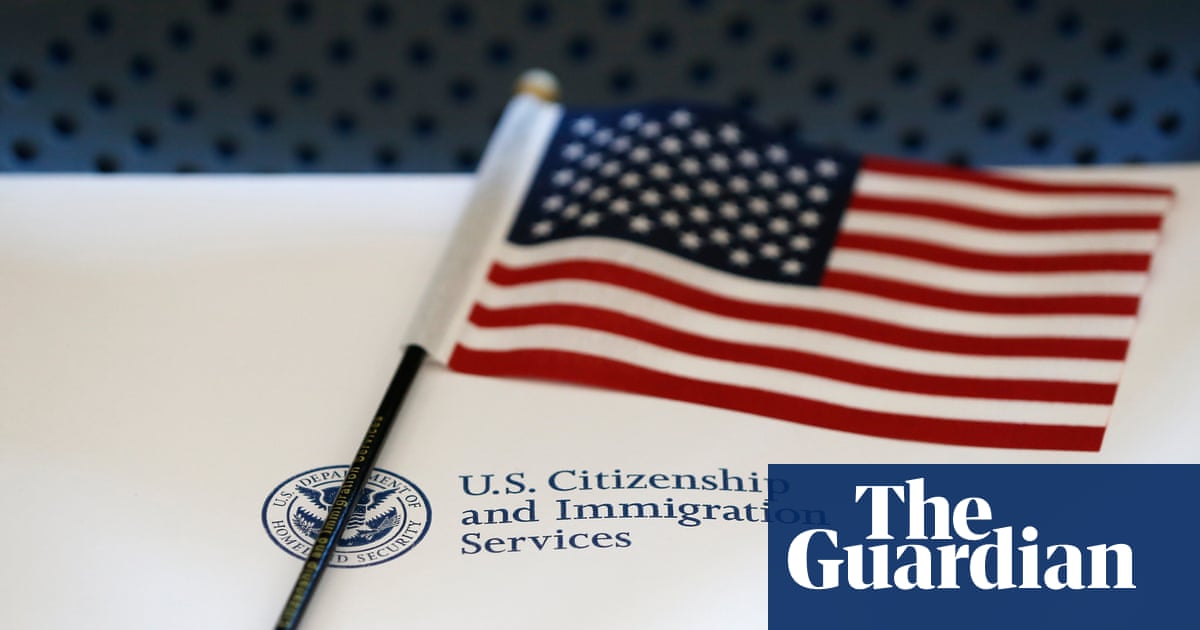
Washington D.C. – In a move condemned by immigration advocates, the Trump administration's U.S. Citizenship and Immigration Services (USCIS) has announced a policy requiring green card applicants to apply from their home countries, a reversal of a process in place for over 60 years that threatens to tear families apart and endanger vulnerable populations.
The new directive, formalized in a policy memo, instructs USCIS officers to individually assess cases while determining eligibility for extraordinary relief. The Department of Homeland Security (DHS), which oversees USCIS, claims this change will prevent the exploitation of loopholes and ensure the immigration system functions as intended. However, critics argue that this policy is a thinly veiled attempt to further restrict legal immigration pathways.
"An alien who is in the US temporarily and wants a Green Card must return to their home country to apply," stated the DHS, effectively dismantling the ability for individuals to adjust their status from within the United States.
This policy disproportionately impacts mixed-status families, where one or more members are U.S. citizens or legal residents, while others are in the process of obtaining legal status. Requiring green card applicants to leave the U.S. forces them to abandon their jobs, homes, and established lives for an unknown period, creating immense financial and emotional hardship.
According to the Cato Institute, over one million legal immigrants in the U.S. are currently awaiting their green cards. This policy shift could further exacerbate the existing backlog and create additional bureaucratic hurdles for applicants already navigating a complex immigration system.
Advocates are particularly concerned about the impact on vulnerable populations, including survivors of trafficking and abused or neglected children. Forcing these individuals to return to the countries they fled in order to process their green card applications puts them at grave risk of further exploitation and harm.
HIAS, an aid group that provides services to refugees and other immigrants, has sharply criticized the policy, arguing that it directly contradicts the U.S.'s commitment to protecting vulnerable individuals seeking refuge from persecution. By requiring these individuals to return to the very countries they escaped, the administration is effectively undermining their ability to seek safety and build a new life in the U.S.