Trump Administration's PEPFAR Cuts Threaten Global HIV/AIDS Progress, Sparking Voter Backlash
As the Trump administration undermines a vital HIV/AIDS relief program, voter support for PEPFAR remains strong, signaling potential political consequences.
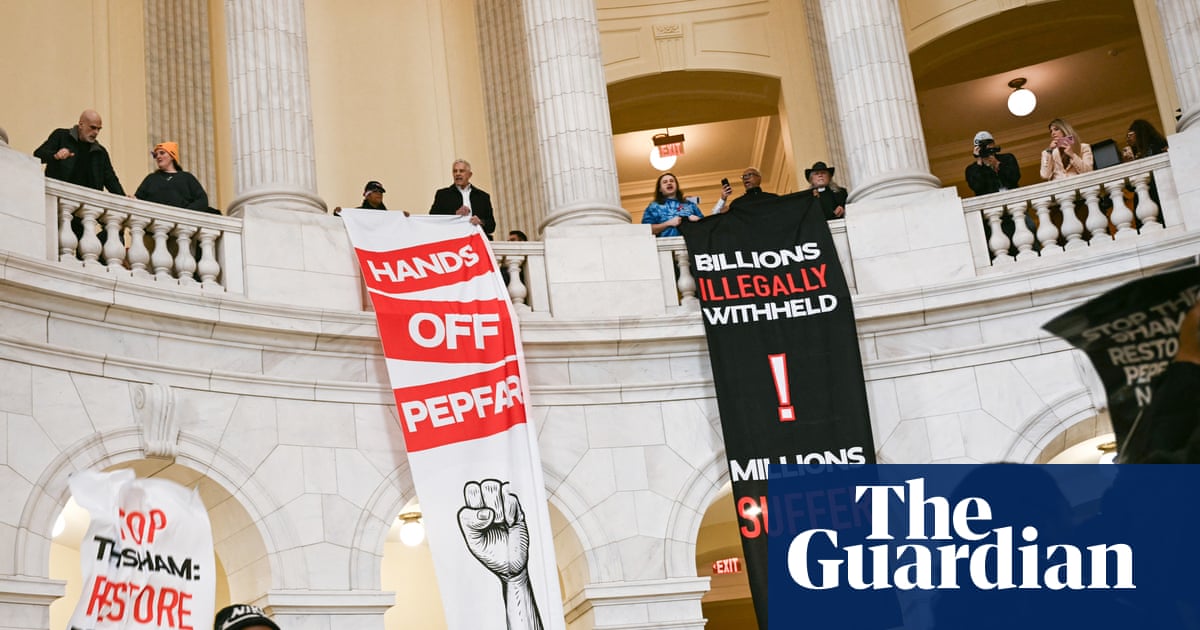
Washington D.C. – The Trump administration's moves to restructure and defund the President’s Emergency Plan for AIDS Relief (PEPFAR) are drawing criticism as a threat to global health progress, even as new polling reveals overwhelming voter support for the initiative. PEPFAR, established by President George W. Bush in 2003, has been a cornerstone of international efforts to combat HIV/AIDS, particularly in developing nations. The program’s future is now uncertain.
A recent poll indicates that 74% of likely US midterm voters support funding for PEPFAR. This widespread support underscores the public's recognition of the program's importance in addressing a critical global health crisis. The poll also revealed that voters are more likely to support candidates who champion PEPFAR, suggesting that the administration’s actions could have political ramifications.
Jennifer Kates, senior vice-president and director of the global and public health policy program at KFF, a health non-profit, highlighted the bipartisan appeal of PEPFAR, noting that supporting the program is seen positively across the political spectrum. This sentiment is further reinforced by the fact that 80% of voters believe there is a moral imperative to provide lifesaving treatment for people at risk or living with HIV/AIDS, regardless of personal choices.
Despite this broad support, the Trump administration has taken steps that threaten PEPFAR’s effectiveness. The administration's decision to shift funding away from the Centers for Disease Control and Prevention (CDC), reallocating the majority of PEPFAR funds to the State Department, has raised concerns among public health experts and advocates.
According to a recent announcement, the CDC will receive only $150 million of the funds intended for PEPFAR, a drastic reduction from the potential $2 billion. Asia Russell, executive director of Health GAP, an HIV/AIDS treatment advocacy organization, criticized this move, comparing it to the absorption of the US Agency for International Development (USAID) into the State Department. Russell warned that these changes could undermine critical HIV/AIDS prevention and treatment efforts.
In addition to these funding shifts, President Trump's proposed budget includes a $1.6 billion cut to domestic HIV funding, primarily affecting prevention programs. This reduction comes at a time when public health officials are working to address rising rates of HIV in certain communities.