Trump Administration's 'Rededicate 250' Stokes Fears of Christian Nationalist Agenda
Critics denounce the National Mall prayer gathering as an attempt to impose a narrow religious viewpoint, undermining religious freedom and inclusivity.

Washington D.C. – A gathering on the National Mall, spearheaded by the Trump administration and dubbed "Rededicate 250," has ignited concerns among progressive groups and advocates for secularism, who view the event as a thinly veiled attempt to advance a Christian nationalist agenda at the expense of religious pluralism.
Organized by Freedom 250, a public-private group collaborating with the White House for the nation's 250th birthday commemoration, the event featured Christian music, prayers predominantly led by evangelical figures, and speeches from Trump administration officials. This overt promotion of one religious viewpoint raises critical questions about the administration's commitment to the separation of church and state – a cornerstone of American democracy.
With 18 out of 19 faith leaders being Christian, and a majority representing evangelical denominations, the event conspicuously lacked broad religious representation. While Rabbi Meir Soloveichik, a member of Trump's Religious Liberty Commission, was the only non-Christian speaker, his presence does little to mitigate the overwhelming Christian dominance, which critics argue signals an attempt to prioritize one faith over others.
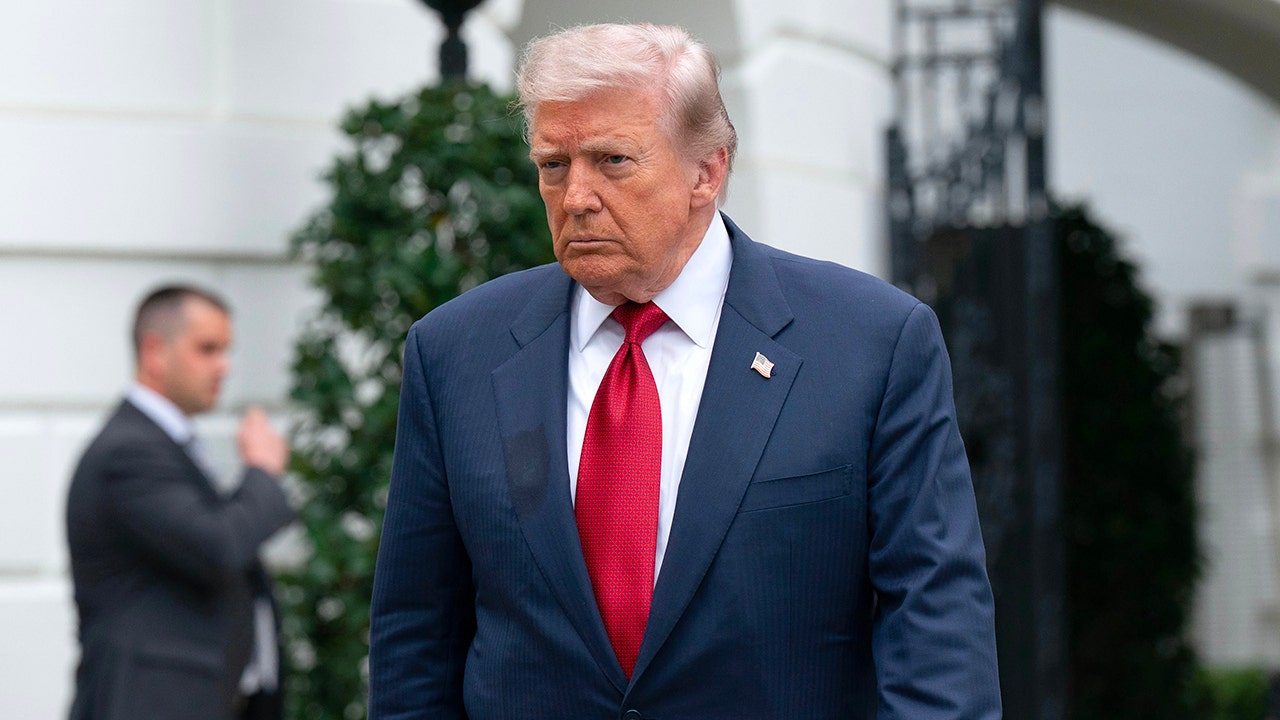
President Trump, opting to deliver a video message of biblical scripture rather than attend in person, highlights the administration’s strategy of using symbolic gestures to appeal to its religious base. This approach allows the administration to subtly endorse religious nationalism without being directly implicated in more controversial statements or actions.
The concerns extend beyond mere symbolic gestures. The rhetoric employed by speakers, including House Speaker Mike Johnson, who claimed that rights originate from God rather than the government, carries potentially dangerous implications for marginalized communities. Such statements undermine the principle of secular governance, where rights are guaranteed to all citizens regardless of their religious beliefs.
Interfaith Alliance, in a powerful counter-demonstration, projected messages supporting religious freedom onto the National Gallery of Art. This direct action underscored the growing resistance to what they perceive as an authoritarian theocratic movement. The group's social media statement characterized "Rededicate 250" as an attempt to transform the United States into an authoritarian theocracy.