Trump Administration's Refugee Cap Adjustment Raises Concerns About Discrimination
A forthcoming White House memo sparks fears that the administration is prioritizing certain refugee groups over others based on race.
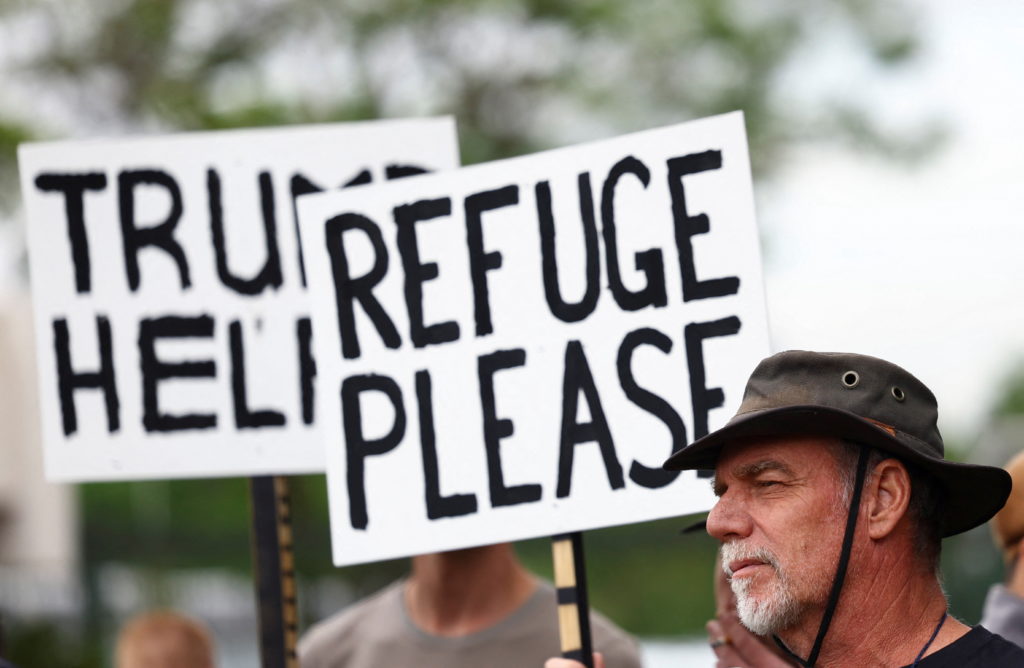
WASHINGTON - A forthcoming White House memo indicating the Trump administration is easing the cap on refugees entering the United States has ignited concerns among human rights advocates, who fear the move may prioritize certain refugee groups based on race or national origin, potentially exacerbating existing inequalities in the refugee resettlement system. The details of the memo remain unclear, but the prospect of a discriminatory refugee policy is deeply troubling.
The administration's track record on immigration has been marked by policies that disproportionately affect marginalized communities, particularly people of color. From the travel ban targeting Muslim-majority countries to the separation of families at the southern border, the administration has repeatedly demonstrated a willingness to implement policies that are perceived as discriminatory and xenophobic.
This context raises legitimate questions about the motivations behind the refugee cap adjustment. Will the administration prioritize refugees from certain European countries over those from Africa or the Middle East? Will it create a two-tiered system that favors white refugees while denying protection to those fleeing violence and persecution in other parts of the world?
The global refugee crisis demands a compassionate and equitable response. Millions of people are displaced from their homes due to war, persecution, and natural disasters. The United States, as a wealthy and powerful nation, has a moral obligation to welcome refugees regardless of their race, religion, or national origin.
However, the Trump administration has consistently sought to limit refugee admissions, citing concerns about national security and economic burdens. These concerns are often based on unfounded stereotypes and fail to recognize the significant contributions that refugees make to American society. Refugees are often entrepreneurial, hardworking, and eager to integrate into their new communities. They start businesses, create jobs, and enrich the cultural fabric of the United States.
Moreover, refugees are often fleeing some of the most horrific situations imaginable. They have been victims of torture, rape, and genocide. To deny them refuge is to turn our backs on our shared humanity.
The Refugee Act of 1980 was intended to create a fair and impartial system for refugee resettlement. It prohibits discrimination based on race, religion, nationality, membership in a particular social group, or political opinion. Any attempt to circumvent this law would be a violation of international human rights standards and a betrayal of American values.
Advocates are calling on the administration to release the full text of the White House memo and to provide a transparent explanation of its refugee policy. They are also urging Congress to hold hearings to examine the administration's actions and to ensure that the refugee resettlement system remains fair and equitable.
The fight for refugee rights is a fight for social justice. It is a fight for the dignity and equality of all people. We must stand in solidarity with refugees and demand that our government uphold its moral and legal obligations to protect those fleeing persecution and violence. The potential targeting of white South Africans, as reported, raises serious concerns about the racial implications of this policy and its potential violation of the Refugee Act.
The implications of this policy extend beyond the immediate impact on refugees; it also sends a dangerous message to the world about America's commitment to human rights and equality. A discriminatory refugee policy undermines the credibility of the United States as a champion of human rights and weakens its ability to advocate for these rights abroad.
It is imperative that civil rights organizations and legal experts carefully scrutinize the White House memo for any signs of discriminatory intent or impact.
The adjustment also comes at a time when the global need for refugee resettlement is greater than ever, making this potential discriminatory policy all the more concerning.
Sources: * U.S. Department of State, Bureau of Population, Refugees, and Migration * U.S. Department of Homeland Security, Office of Immigration Statistics