Trump Administration's 'Terror' Designation for Brazilian Drug Gangs Sparks Concern Over Militarization of Drug Policy
Critics warn the move to classify Brazilian drug gangs as terrorist organizations will disproportionately impact marginalized communities and further militarize drug policy in the region.
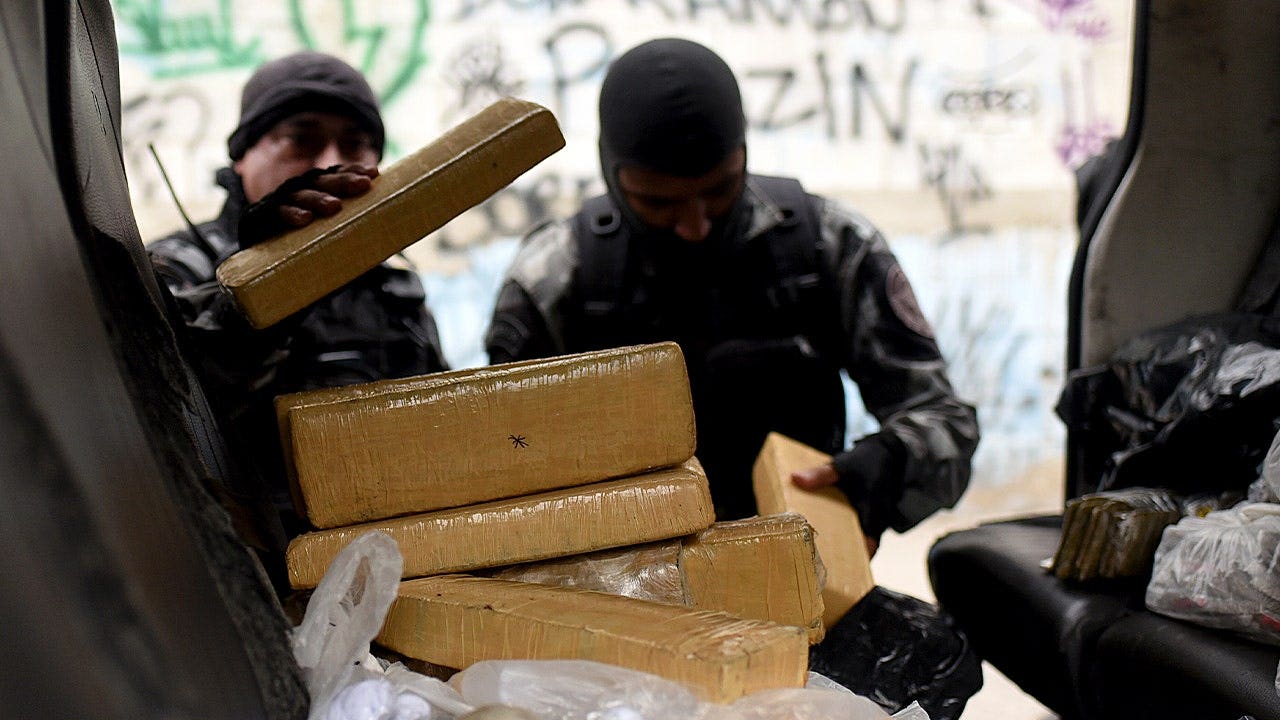
WASHINGTON — The Trump administration's decision to designate two of Brazil's largest drug gangs, First Command of the Capital (PCC) and Red Command (CV), as foreign terrorist organizations has ignited debate over the potential ramifications for human rights, social justice, and drug policy in both Brazil and the United States. While the administration frames the move as a necessary step to combat transnational crime, critics argue it risks further militarizing drug enforcement and exacerbating existing inequalities.
The State Department's announcement states that the CV and PCC will be designated as Specially Designated Global Terrorists (SDGTs), a move that allows the U.S. government to impose sanctions and freeze assets. However, progressive voices argue that this approach ignores the root causes of crime, such as poverty, lack of opportunity, and systemic discrimination.
Advocates for drug policy reform contend that labeling these gangs as terrorist organizations will lead to more aggressive policing tactics that disproportionately target marginalized communities, particularly Black and brown Brazilians. They point to the history of the 'war on drugs' in the U.S., which has resulted in mass incarceration and devastating consequences for communities of color.
The State Department estimates that the two groups combined have over 50,000 members. However, critics argue that addressing the issue requires investing in social programs, education, and economic development to provide alternatives to gang involvement. They also call for a shift away from punitive measures and towards harm reduction strategies that prioritize public health and human rights.
The administration’s decision follows a meeting between President Trump and Brazilian Senator Flávio Bolsonaro, a figure associated with the far-right in Brazil. This has raised concerns about the politicization of the designation and its potential use to undermine the current leftist government of President Luiz Inácio Lula da Silva.
Critics argue that focusing solely on law enforcement and military solutions fails to address the underlying social and economic factors that drive drug trafficking. They point to the need for international cooperation to combat corruption, money laundering, and the flow of weapons that fuel the drug trade.
Some experts warn that the terrorist designation could lead to human rights abuses, as governments may be tempted to use extreme measures to suppress these groups. They emphasize the importance of upholding due process and ensuring accountability for any violations. The designation could also further destabilize the region, as it may lead to increased violence and displacement.


