Trump-Aligned Figures Lead Prayer Rally on National Mall Amid Church-State Concerns
Critics raise concerns about the blurring of lines between church and state as prominent Republicans and Christian leaders convene 'Rededicate 250.'
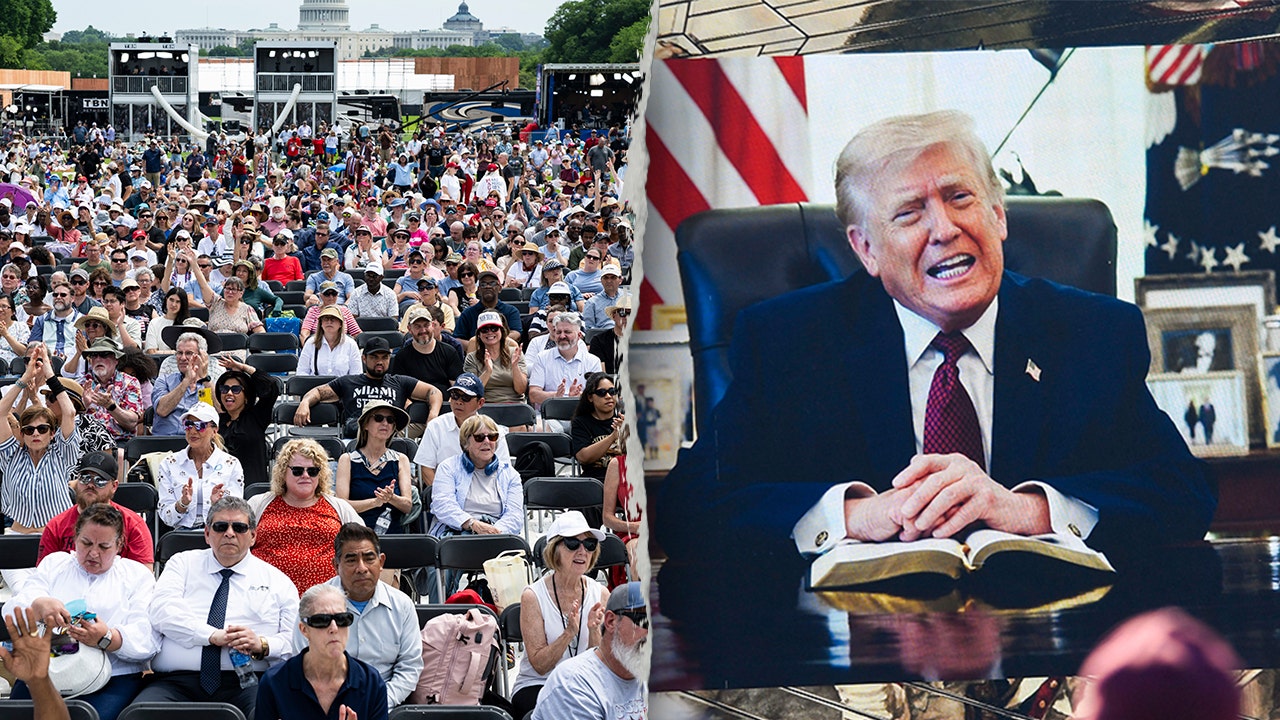
WASHINGTON — 'Rededicate 250: A National Jubilee of Prayer, Praise & Thanksgiving,' a prayer rally held on the National Mall, drew thousands and featured prominent Republican figures and Christian leaders, raising concerns among civil liberties advocates about the separation of church and state. The event, ostensibly celebrating America's upcoming 250th anniversary, served as a platform for reaffirming the United States as 'One Nation Under God,' a phrase with contested implications for religious minorities and secular individuals.
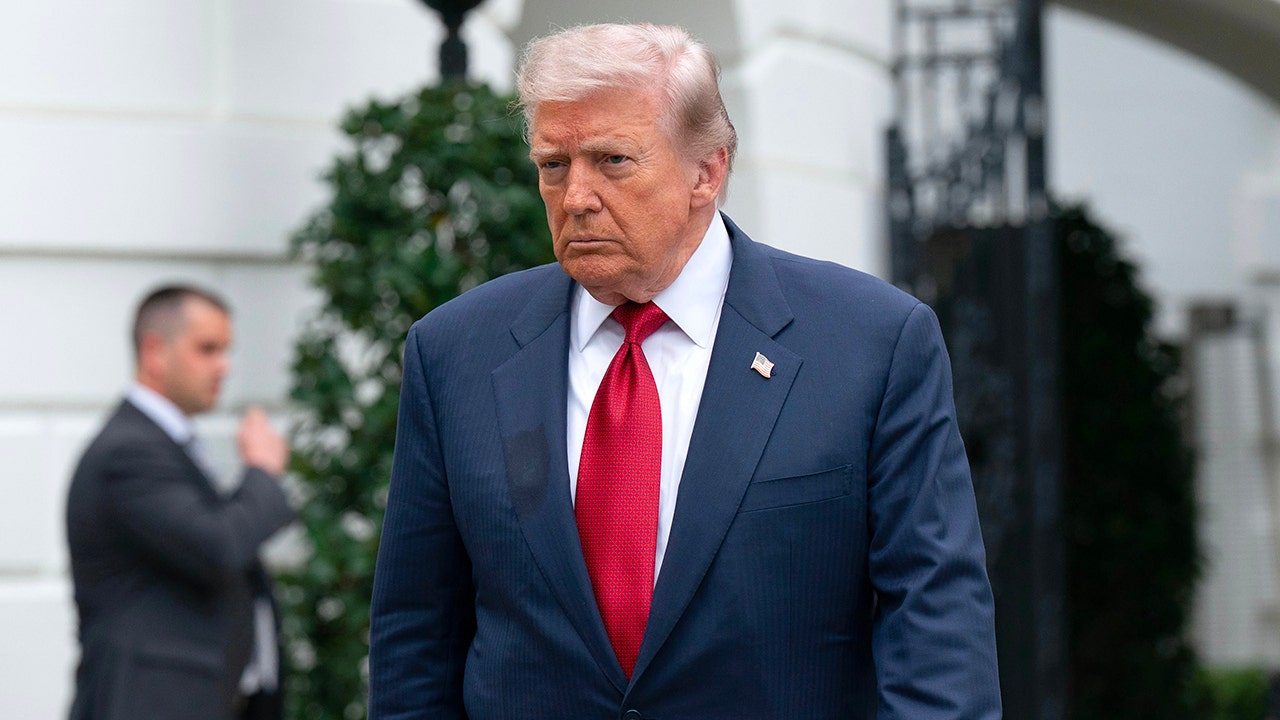
President Donald Trump, Vice President JD Vance, Secretary of State Marco Rubio, Defense Secretary Pete Hegseth, Director of National Intelligence Tulsi Gabbard, and House Speaker Mike Johnson addressed the gathering. Their participation signals a continued alignment between the Republican Party and segments of the Christian Right.
Trump's prerecorded message included a reading from 2 Chronicles 7, calling on people to 'humble themselves' and seek divine intervention. Critics argue that such appeals can be exclusionary and undermine the principle of religious pluralism.
Vance's description of the United States as 'a nation of prayer' overlooks the diverse religious and non-religious identities of Americans, potentially marginalizing those who do not adhere to traditional Christian beliefs.
Rubio's assertion that America's identity is rooted in Christianity ignores the contributions of individuals from diverse faiths and backgrounds to the nation's history and culture. This narrative can reinforce a sense of exclusion for non-Christian communities.
Gabbard's call for Americans to humble themselves before God echoes a sentiment that may conflict with the values of secularism and individual autonomy.
Johnson's prayer of 'rededication' reinforces a narrative of American exceptionalism rooted in a specific religious tradition, potentially alienating those who hold different beliefs or no religious beliefs at all.
The event took place against the backdrop of ongoing legal battles and political debates concerning religious freedom and the separation of church and state. Critics argue that events like 'Rededicate 250' can contribute to a climate of religious intolerance and discrimination.
Historically, similar events have been used to promote specific political agendas and reinforce social hierarchies. The focus on a particular interpretation of American identity can marginalize minority groups and undermine efforts to build a more inclusive society.
The rally highlights the need for continued vigilance in protecting the rights of all Americans, regardless of their religious beliefs or lack thereof. Advocates for secularism and religious pluralism argue that it is essential to ensure that government policies and public discourse remain neutral with respect to religion.
Sources:
* American Civil Liberties Union (ACLU) * Americans United for Separation of Church and State * Pew Research Center