Trump Allies' $100M AI Spending Push Raises Concerns About Deregulation and Equity
A new pro-AI group's massive midterm spending highlights the need for public oversight and equitable AI development.
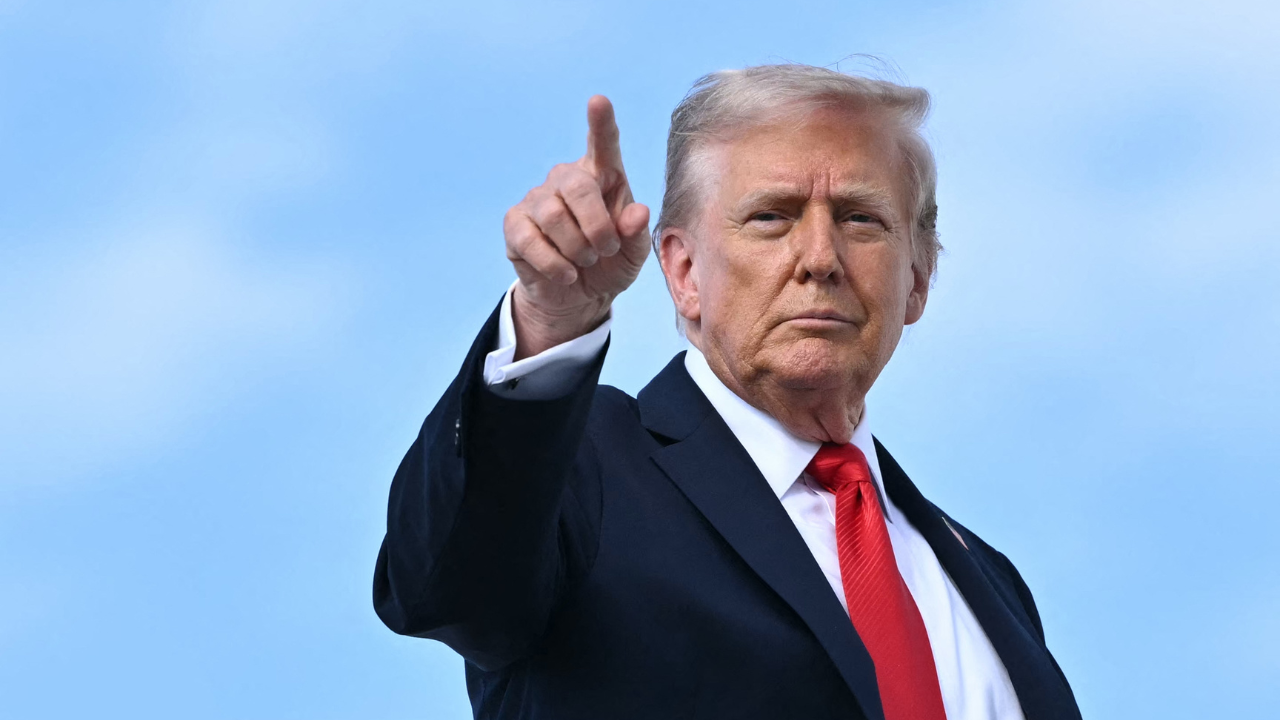
Washington, D.C. - Innovation Council Action, a political group backed by allies of President Donald Trump, is planning a $100 million spending blitz in the 2026 midterm elections, raising concerns about the potential for unchecked deregulation and the prioritization of corporate interests over public good in the development and deployment of artificial intelligence.
The organization, spearheaded by tech investor and former White House AI advisor David Sacks, aims to support candidates who favor deregulation and oppose those advocating for stricter AI regulations. This strategy aligns with President Trump's broader agenda, which prioritizes rapid AI development and U.S. competitiveness against China, potentially at the expense of ethical considerations and societal impacts.
Taylor Budowich, founder of Innovation Council, framed the group's mission as supporting policymakers who stand with President Trump on AI. However, critics argue that unchecked deregulation could lead to biased algorithms, job displacement, and the erosion of privacy rights, disproportionately affecting vulnerable communities. The historical context of deregulation in other sectors, such as finance and energy, provides cautionary tales of environmental damage and economic instability.
President Trump has consistently advocated for a unified federal regulatory framework for AI, a move that some fear could preempt more robust state-level regulations designed to protect consumers and workers. The concentration of power in a single federal body raises concerns about potential capture by industry lobbyists and the suppression of dissenting voices.
Innovation Council Action enters a crowded field of AI-focused political spending, with other pro-industry groups like Leading the Future and Meta also investing heavily in shaping AI policy. This influx of corporate money underscores the urgent need for greater transparency and public engagement in the AI policy-making process.
As AI expansion strains the energy grid, proposals to require tech firms to fund their own power needs highlight the growing tension between technological advancement and environmental sustainability. This further illustrates the need for comprehensive and socially responsible AI policies that address both the economic and environmental consequences of this rapidly evolving technology.
The potential for AI to exacerbate existing inequalities cannot be ignored. Without careful regulation and proactive measures, AI could automate jobs traditionally held by low-skilled workers, further concentrate wealth in the hands of a few, and perpetuate discriminatory practices through biased algorithms. The promise of AI must be tempered with a commitment to equity, fairness, and the common good.
The current political landscape demands a critical examination of the priorities driving AI development. The focus should shift from solely prioritizing economic competitiveness to ensuring that AI benefits all members of society, promoting social justice, and protecting the environment.
Moving forward, a multi-stakeholder approach is essential, involving policymakers, academics, community organizations, and the public in shaping AI policy. This inclusive process will help ensure that AI development aligns with societal values and promotes a more equitable and sustainable future. Investing in education and job training programs is also crucial to mitigate the potential negative impacts of AI-driven automation on the workforce.
The $100 million spending push by Innovation Council Action serves as a wake-up call. It underscores the urgent need for a national conversation about the ethical implications of AI and the importance of safeguarding against unchecked corporate influence in shaping its future.