Trump-Appointed Judge Upholds Order Threatening Voting Access for Marginalized Communities
A ruling allows a discriminatory Trump-era policy targeting voter registration and mail-in ballots to stand, potentially disenfranchising vulnerable populations.
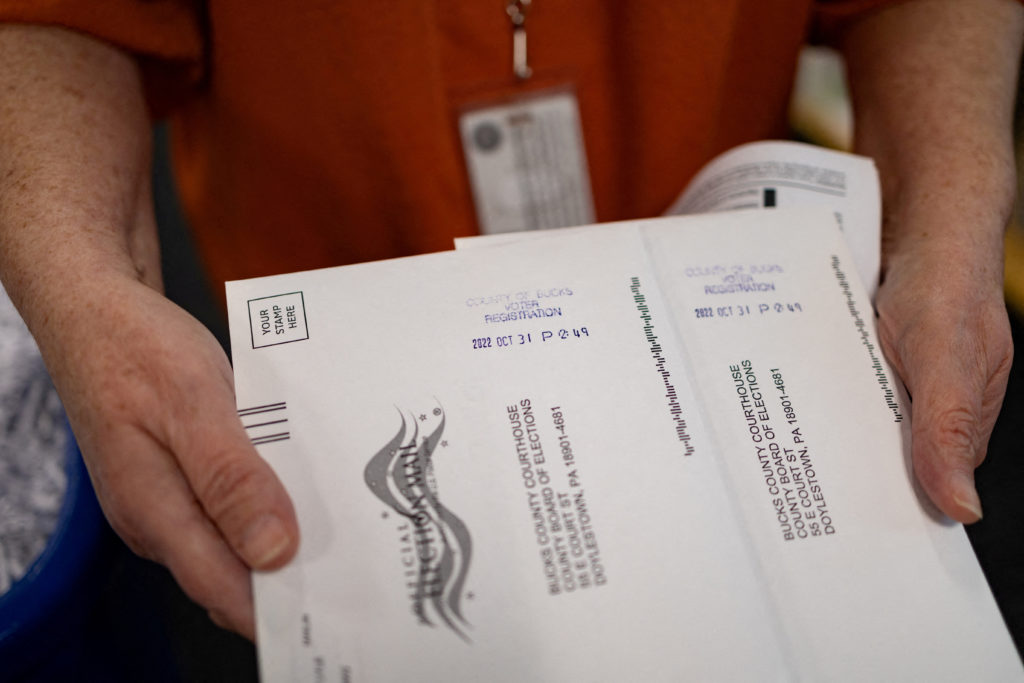
WASHINGTON – In a decision that raises serious concerns about voter suppression, U.S. District Judge Carl Nichols, a Trump appointee, rejected a request to block a presidential order by Donald Trump that aims to create a federal voter list and restrict mail voting. The ruling effectively allows a policy that civil rights groups argue will disproportionately harm marginalized communities and undermine the fundamental right to vote to remain in place.
Democrats and civil rights organizations argued that the Trump order is a thinly veiled attempt to disenfranchise minority voters and other groups historically targeted by voter suppression tactics. The creation of a federal voter list, they contend, could be used to purge eligible voters from the rolls based on inaccurate or discriminatory criteria, echoing past efforts to suppress Black voter turnout.
Restrictions on mail voting, particularly in the wake of the COVID-19 pandemic, disproportionately affect elderly voters, people with disabilities, and low-income individuals who may have difficulty accessing polling places. These communities already face significant barriers to participation in elections, and limiting mail voting would only exacerbate these challenges.
Judge Nichols' decision to uphold the Trump order ignores the historical context of voter suppression in the United States. For centuries, laws and practices have been used to deny African Americans, Native Americans, and other minority groups the right to vote. These efforts have often been justified by claims of voter fraud, which have been repeatedly debunked.
The ruling also disregards the overwhelming evidence that mail voting is a safe and secure method of casting ballots. Numerous studies have found no evidence of widespread voter fraud associated with mail-in voting. In fact, mail voting has been shown to increase voter turnout, particularly among underrepresented groups.
The decision underscores the importance of judicial independence and the need for judges to be mindful of the potential impact of their rulings on marginalized communities. By siding with the Trump administration, Judge Nichols has effectively endorsed a policy that could have a chilling effect on voter participation and undermine the integrity of our democracy.
The fight for voting rights is far from over. Advocates are continuing to push for federal legislation to protect the right to vote and prevent voter suppression. The John Lewis Voting Rights Advancement Act, for example, would restore key provisions of the Voting Rights Act of 1965, which have been weakened by recent Supreme Court decisions.
This ruling serves as a stark reminder of the fragility of voting rights in the United States and the need for constant vigilance to protect the right to vote for all citizens. The decision highlights the ongoing efforts to restrict access to the ballot box and the potential for these efforts to disproportionately harm marginalized communities.
The ruling also highlights the potential for politically motivated judicial decisions to undermine democratic principles. It is imperative that judges uphold the Constitution and protect the right to vote for all citizens, regardless of their political affiliation or background.
This case illustrates the ongoing struggle for voting rights in the United States and the importance of ensuring that all citizens have equal access to the ballot box. The fight for voting rights is a fight for democracy itself.
The decision underscores the need for continued advocacy and legislative action to protect the right to vote for all Americans. We must remain vigilant in the face of attempts to suppress voter turnout and ensure that our democracy is truly representative of all its citizens.