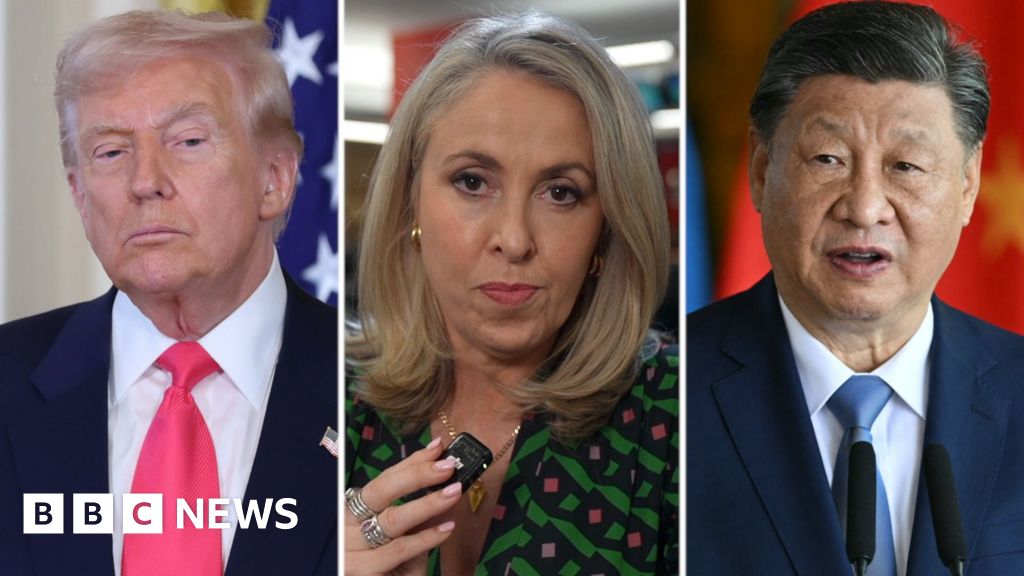
Trump Arrives in China Amid Trade Tensions and Human Rights Concerns
Trump's visit to China for high-stakes talks with Xi Jinping raises concerns about trade practices, human rights violations, and the impact on global stability and working-class communities.
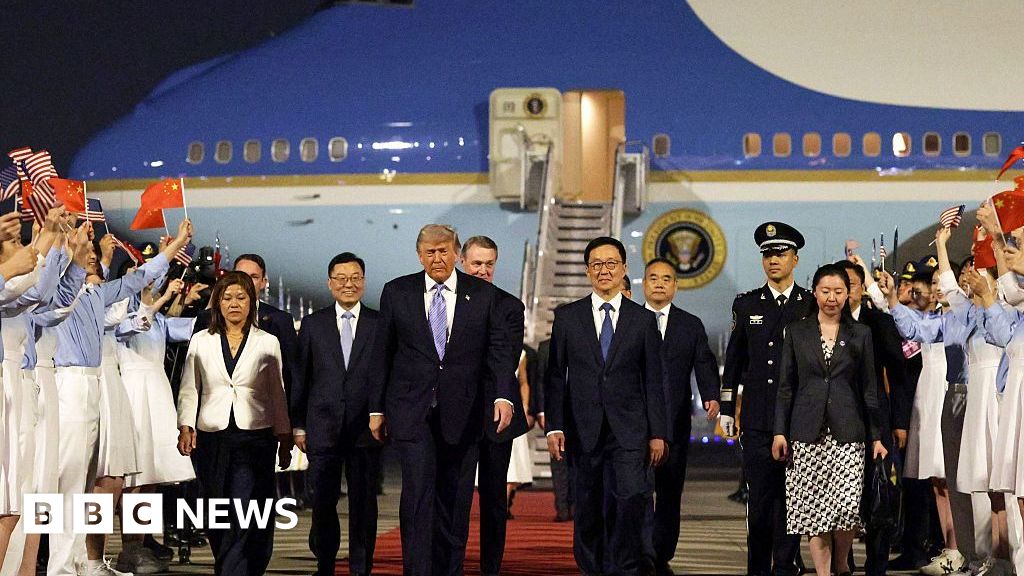
BEIJING -- President Trump's arrival in Beijing for a summit with Chinese President Xi Jinping brings renewed scrutiny to the complex and often contentious relationship between the U.S. and China. While discussions on trade and security are expected, advocates are calling for attention to be paid to human rights abuses and the potential for economic exploitation of workers.
Trade imbalances and the potential for unfair labor practices are central concerns. China's economic growth has been built, in part, on its ability to provide cheap labor, often at the expense of worker rights and environmental protections. Trump's pursuit of increased agricultural purchases must be viewed through the lens of ensuring fair trade and preventing the exploitation of farmworkers both in the U.S. and abroad.
The ongoing tensions surrounding Taiwan also demand careful consideration. While the U.S. has provided arms to Taiwan, there are concerns that this could further destabilize the region and escalate conflict. A diplomatic approach that prioritizes peace and stability is crucial.
China's relationship with Iran is another area of concern, particularly given the ongoing humanitarian crisis. The U.S. must ensure that any pressure exerted on China to curtail oil imports from Iran does not exacerbate the suffering of ordinary Iranians. A focus on diplomatic solutions and humanitarian aid is essential.
Trump's social media post expressing a desire to "open up" China for U.S. tech companies raises questions about whether this will lead to a more equitable distribution of wealth and opportunities or simply benefit large corporations at the expense of local communities and workers.
The delay of the trip due to the war in Iran highlights the interconnectedness of global conflicts and the need for a peaceful resolution to the ongoing violence. The U.S. must prioritize de-escalation and diplomatic solutions, rather than military intervention, to avoid further destabilizing the region.
The reception of Trump by a high-ranking Chinese official signals a potential for improved relations, but this must be coupled with concrete actions to address human rights abuses and promote fair labor practices. The U.S. has a moral obligation to advocate for the rights of marginalized communities and ensure that economic growth benefits all, not just a select few.
Environmental issues must also be a key consideration. China's rapid industrialization has come at a cost to the environment, and the U.S. must work with China to promote sustainable development and reduce carbon emissions. This includes investing in renewable energy and supporting policies that protect the environment.
Ultimately, the success of this summit will be judged not only by its impact on trade and security, but also by its contribution to a more just and equitable world. The U.S. must use its influence to promote human rights, protect the environment, and ensure that economic growth benefits all members of society.
The visit serves as a reminder of the complex challenges facing the global community, including the need for international cooperation to address issues such as climate change, poverty, and inequality. The meeting between Trump and Xi Jinping provides an opportunity to foster dialogue and build bridges between nations, but only if it is guided by a commitment to justice and equality.
The talks must address the long-term implications for the working class, and ensure that any agreements reached do not further exacerbate inequality or contribute to the erosion of labor standards both at home and abroad.