Trump-Backed Risch's Primary Win Signals Entrenchment of Conservative Foreign Policy
Idaho's Republican primary reinforces the challenges to progressive foreign policy alternatives in the Senate.
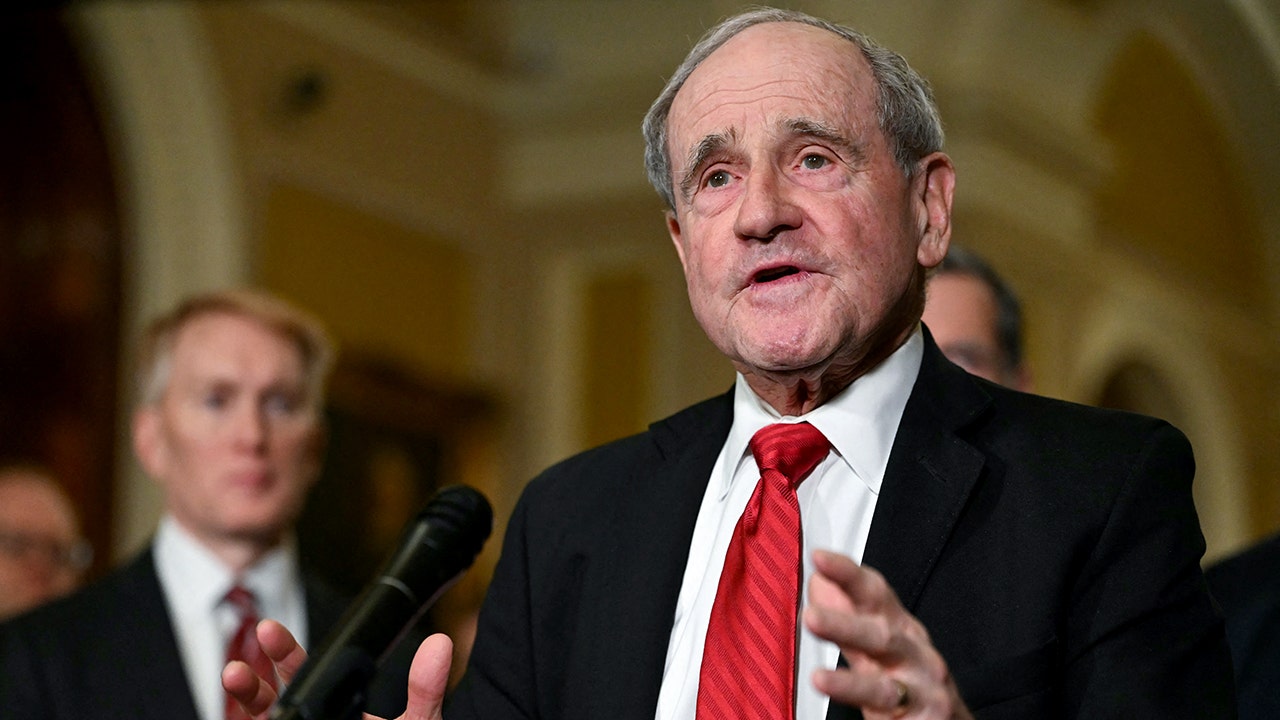
Sen. Jim Risch's primary victory in Idaho cements his position as a key figure in shaping U.S. foreign policy, raising concerns about the continued influence of hawkish and interventionist approaches. The Associated Press reported Risch's victory shortly after polls closed in Idaho.
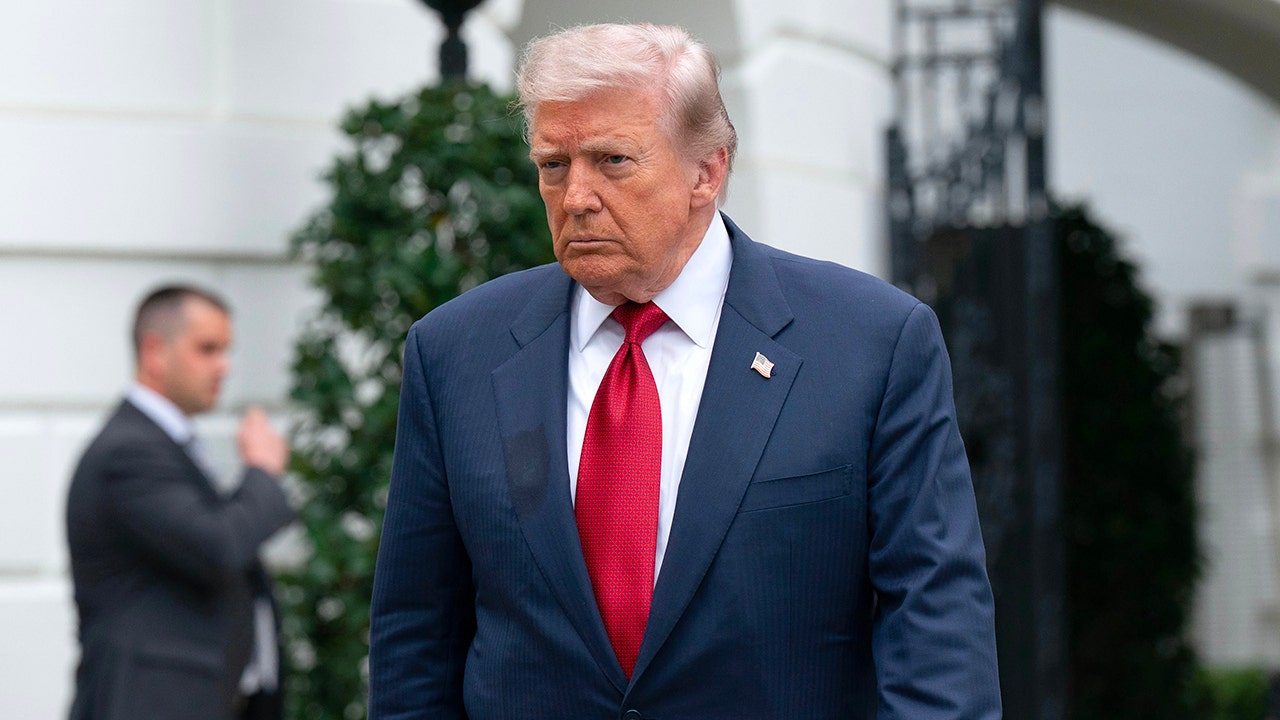
Risch, an 83-year-old Republican backed by former President Donald Trump, is poised to secure a fourth term. Trump's endorsement highlights the enduring appeal of his 'America First' foreign policy, despite its controversial track record and its documented negative effects on international cooperation and human rights.
Risch's chairmanship of the Senate Foreign Relations Committee grants him considerable power over the State Department and ambassadorial appointments. This position gives him the ability to obstruct progressive diplomatic initiatives and reinforce existing patterns of military spending and arms sales.
During his tenure, Risch has been a vocal advocate for military intervention, including supporting Trump's actions in Iran and Venezuela, and has consistently championed arms sales to Israel, despite concerns about human rights violations and the escalation of regional conflicts. His continued presence in the Senate signals a reluctance to re-evaluate these policies and prioritize peaceful conflict resolution.
While Risch's victory is virtually assured in the general election, the lack of viable Democratic challengers underscores the challenges faced by progressive candidates in deeply conservative states. The Democratic nominee, David Roth, faces an uphill battle in a state that hasn't elected a Democrat to the Senate in over half a century. The presence of independent candidate Todd Achilles, while potentially offering a slightly more progressive alternative, is unlikely to significantly alter the outcome.
Senate Minority Leader Chuck Schumer's efforts to flip the Senate hinge on overcoming the significant Republican advantage in states like Idaho. The entrenchment of conservative figures like Risch highlights the need for a sustained, grassroots effort to build progressive power at the state and local levels.
The concentration of power in the hands of individuals like Risch raises questions about the democratic process and the accountability of elected officials. His long tenure and his influence on foreign policy decisions necessitate increased scrutiny and a renewed commitment to challenging policies that perpetuate violence and inequality.
Risch's continued influence in the Senate presents a significant obstacle to meaningful change in U.S. foreign policy and reinforces the need for a broader movement to promote peace, diplomacy, and human rights.
Sources:
* United Nations Human Rights Office of the High Commissioner: [https://www.ohchr.org/](https://www.ohchr.org/) * Stockholm International Peace Research Institute (SIPRI) Arms Transfers Database: [https://www.sipri.org/databases/armstransfers](https://www.sipri.org/databases/armstransfers) * Congressional Budget Office: [https://www.cbo.gov/](https://www.cbo.gov/)