Trump Contacts Grieving Family, Stokes Immigration Fears After College Student's Death
The tragic death of Sheridan Gorman highlights the need for comprehensive solutions, not divisive rhetoric, amidst complex immigration realities.
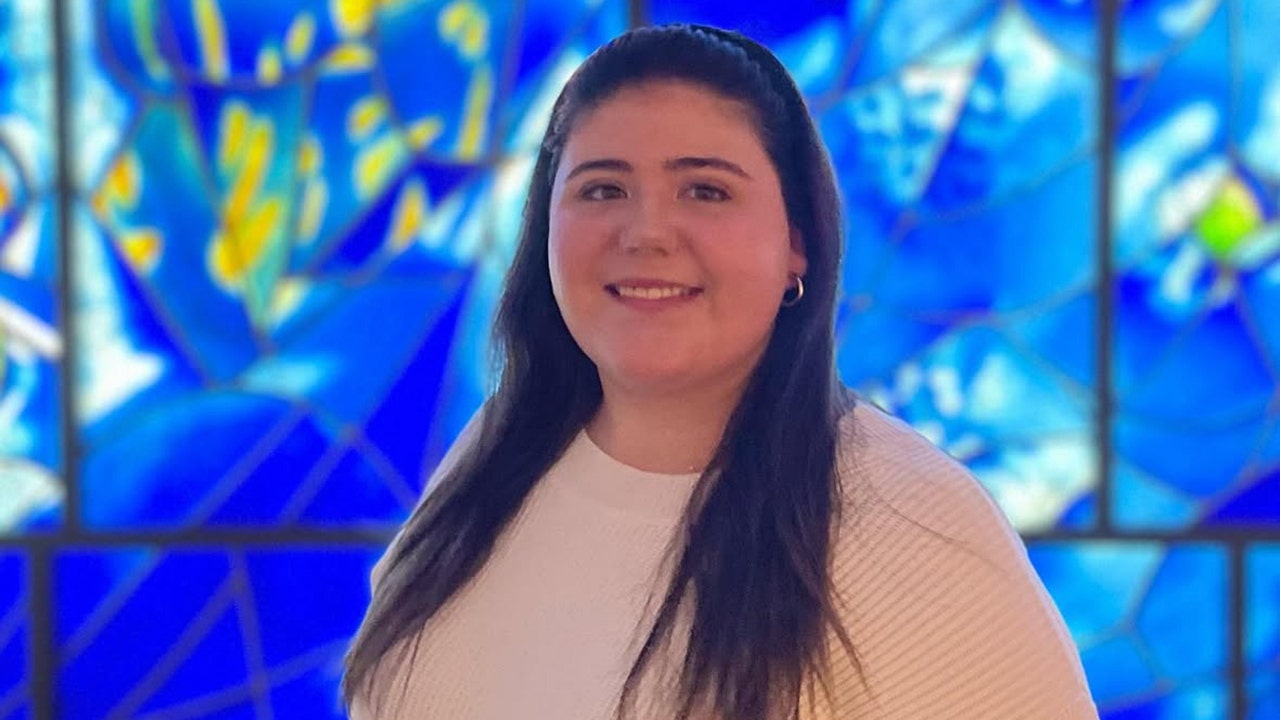
Former President Donald Trump has spoken with the family of Sheridan Gorman, an 18-year-old Loyola University Chicago student allegedly killed by Jose Medina-Medina, an undocumented immigrant from Venezuela. While the details of the conversation remain private, the interaction raises concerns about the potential for politicizing a tragic situation to further anti-immigrant narratives.
Gorman's death on March 19, near a pier in Chicago's Rogers Park neighborhood, is a devastating loss for her family and community. Medina-Medina's alleged actions have understandably sparked outrage and grief. However, it's crucial to contextualize this incident within the broader reality of immigration and crime rates.
Studies have consistently shown that immigrants, including undocumented immigrants, are less likely to commit crimes than native-born citizens. Framing this tragedy as representative of all undocumented immigrants is misleading and harmful, reinforcing harmful stereotypes that fuel discrimination and xenophobia. The focus should be on addressing the root causes of crime and ensuring public safety for all, regardless of immigration status.
The Department of Homeland Security (DHS) confirmed that Medina-Medina was apprehended by U.S. Border Patrol on May 9, 2023, and subsequently released into the U.S. under the Biden administration. This fact is likely to be used to criticize current border policies. However, it's important to remember that individuals released pending immigration proceedings are not inherently dangerous, and the vast majority pose no threat to public safety.
Gorman's mother, Jessica Gorman, expressed her heartbreak and vowed to fight for justice and change at a vigil held in Yorktown Heights, New York. Her pain is undeniable, and her call for action should be met with empathy and a commitment to finding solutions that prevent future tragedies. But justice should not come at the cost of demonizing an entire community.
Instead of leveraging this tragedy for political gain, policymakers should focus on addressing systemic issues that contribute to violence, such as poverty, lack of opportunity, and inadequate mental health services. Furthermore, comprehensive immigration reform is needed to create a fair and humane system that provides pathways to legal status for those who contribute to our society.
The focus must also be on the need for more community resources and effective strategies to address violence, regardless of the perpetrator's immigration status. Increasing access to mental healthcare, providing job training and education, and strengthening community policing are all essential steps toward creating safer communities for everyone.
Ultimately, the Sheridan Gorman case is a painful reminder of the human cost of violence and the need for compassionate and evidence-based solutions. Exploiting this tragedy to promote divisive rhetoric will only further marginalize vulnerable communities and undermine efforts to build a more just and equitable society.