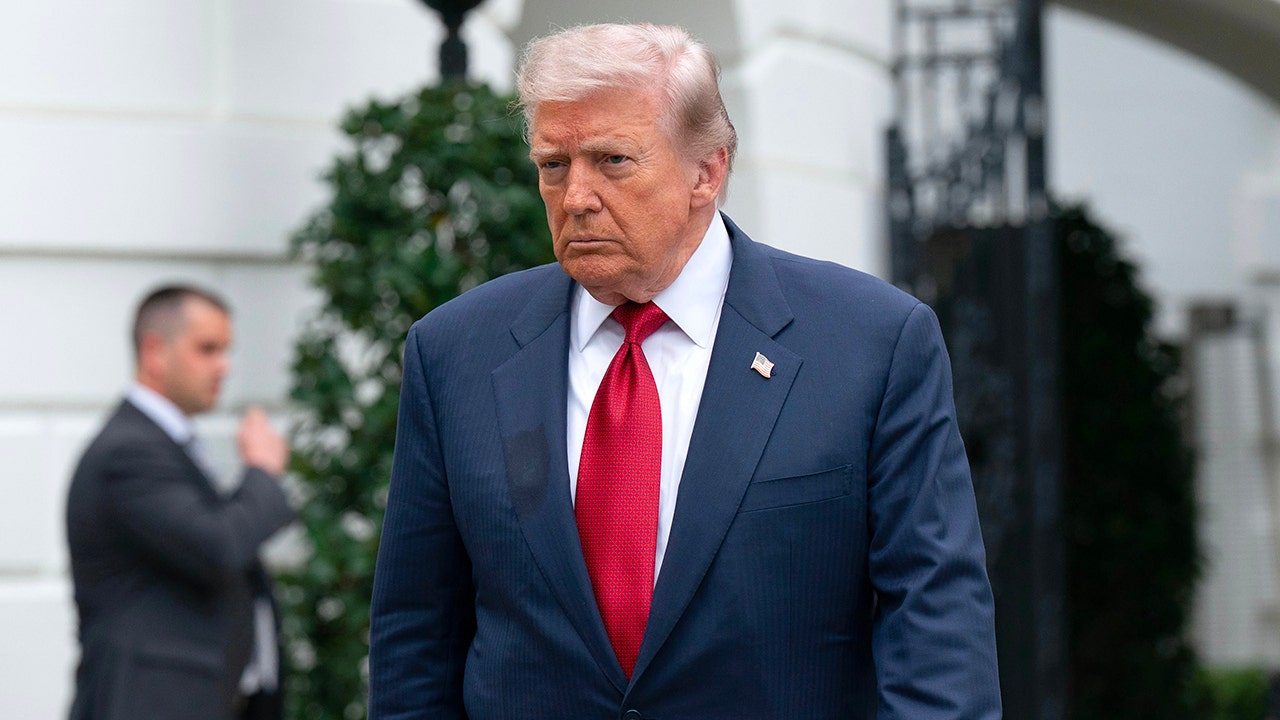
Trump Divides Even His Supporters: 'Swing Shift' Project Spotlights Disparities
An NPR initiative tracking swing voters reveals how Trump's policies exacerbate economic anxieties and create starkly different realities for Black voters, highlighting the urgent need for equitable solutions.
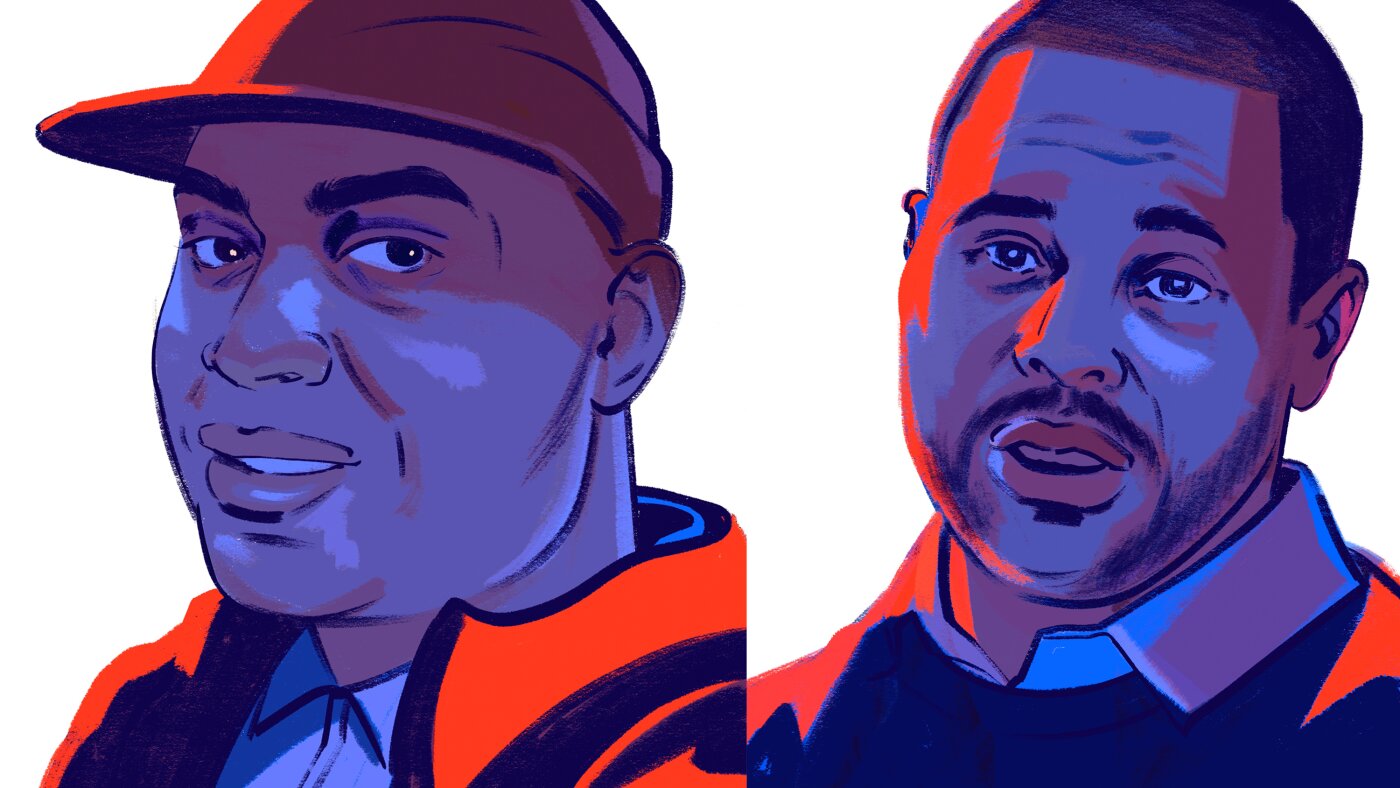
Atlanta, GA - NPR's "Swing Shift" project, designed to monitor the evolving political sentiments of swing voters, exposes the deep fissures within the electorate regarding President Trump's performance. The stories of Gerald, 51, and Wally, 44, two Black men from suburban Atlanta who voted for Trump in 2024 after supporting Biden in 2020, underscore the starkly different realities experienced by Black communities under the current administration.
Gerald, a truck driver, expresses unwavering support for Trump, giving him an A++ grade. He admires Trump's departure from traditional political norms. However, his enthusiasm contrasts sharply with the concerns of Wally, a technology professional, who assigns Trump an F, citing rising gas prices and a general sense of national decline.
The divergence in their views reflects a broader trend of economic inequality and the disproportionate impact of certain policies on marginalized communities. While Gerald may be experiencing economic stability, Wally's anxieties highlight the precarity faced by many Black families struggling to maintain their footing in an increasingly unequal society.
Rising gas prices, for example, disproportionately affect low-income individuals and families who rely on personal vehicles for transportation to work and essential services. This economic burden exacerbates existing inequalities and further strains already limited household budgets.
The "Swing Shift" project underscores the importance of understanding the diverse experiences and perspectives within swing voter demographics. By amplifying the voices of individuals like Gerald and Wally, the project sheds light on the complex factors that shape political allegiances and the urgent need for policies that address systemic inequalities.
The project’s findings highlight a critical challenge for progressive policymakers: addressing the root causes of economic anxiety and ensuring that all communities benefit from economic growth. This requires targeted investments in education, job training, and affordable housing, as well as policies that promote fair wages and protect workers' rights.
The words of Wally, "Everyone's drowning, and like we just need to come up for air," serve as a stark reminder of the struggles faced by many Americans. His sentiment reflects a sense of desperation and a yearning for leadership that prioritizes the well-being of all citizens, not just a select few.