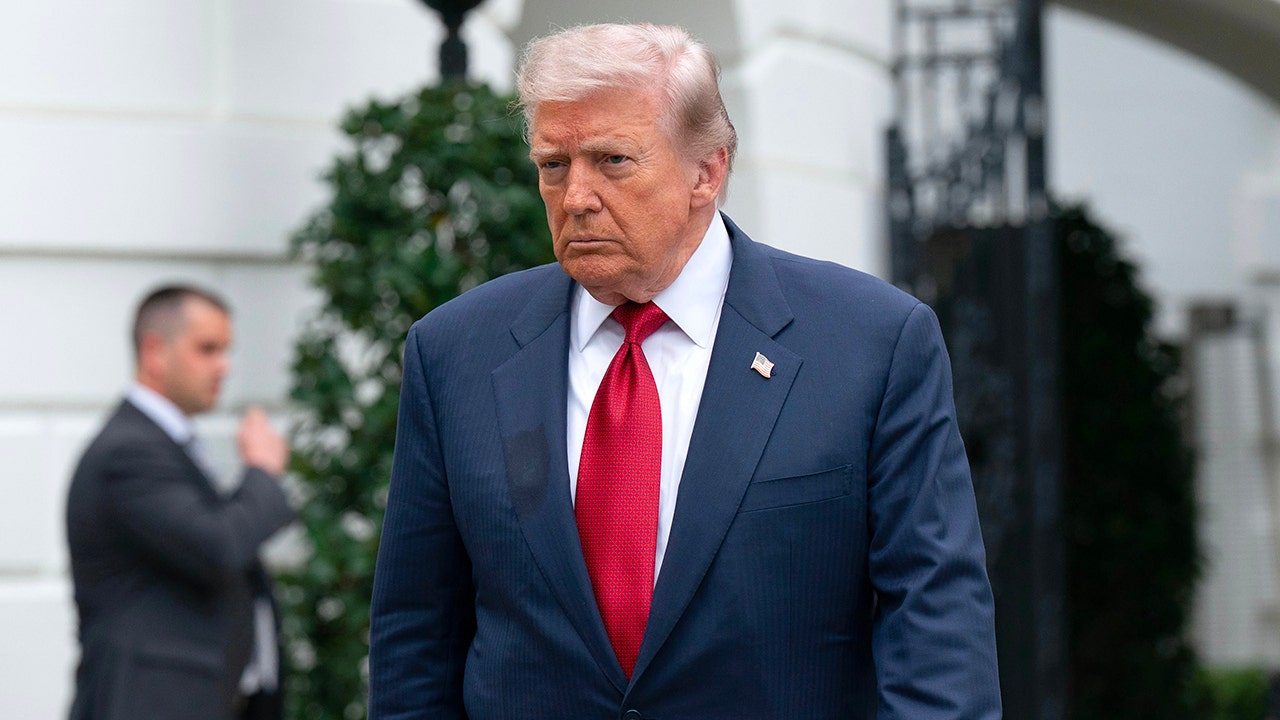
Trump Endorses Scandal-Plagued Paxton, Threatening Texas Senate Seat
Trump's support for a candidate facing corruption allegations jeopardizes the chances of retaining a crucial Senate seat and underscores the party's embrace of ethically compromised figures.
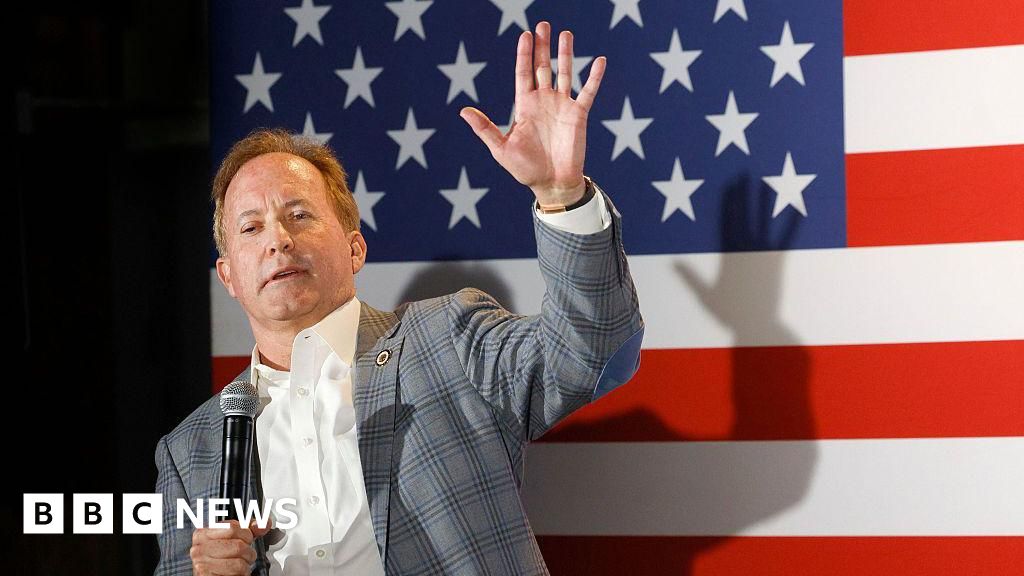
Donald Trump's endorsement of Texas Attorney General Ken Paxton over incumbent Senator John Cornyn in the Republican primary runoff signifies a dangerous gamble that could jeopardize a crucial Senate seat and embolden a culture of corruption within the Republican party.
Paxton's history is marred by scandal and legal challenges, raising serious questions about his fitness for office. He recently settled a federal corruption indictment without admitting guilt. In 2023, the Republican-controlled Texas legislature impeached him for alleged fraud and obstruction of justice, although he was later acquitted. His personal life has also been under scrutiny, with his wife filing for divorce amid allegations of infidelity.
Trump's decision to support Paxton despite these ethical red flags highlights a disturbing trend of prioritizing loyalty over integrity within the Republican party. This endorsement sends a clear message that ethical considerations are secondary to political allegiance, potentially undermining public trust in government.
Democrats view Paxton as a vulnerable candidate and see an opportunity to potentially flip the Senate seat in Texas. The state, while historically Republican, has seen demographic shifts and growing progressive activism that could make the seat competitive in the general election. Trump's endorsement of Paxton may further alienate moderate voters and independent voters, increasing the likelihood of a Democratic victory.
Cornyn, while a conservative, is viewed as a more traditional Republican figure. His voting record, while largely aligned with Trump's policies, has at times diverged, particularly on issues such as gun control and immigration. Paxton has criticized Cornyn for these perceived deviations from conservative orthodoxy, appealing to Trump's base.
The endorsement of Paxton comes at a time of heightened political polarization and growing concerns about the erosion of democratic norms. Trump's continued influence within the Republican party, even after leaving office, remains a powerful force, shaping the direction of the party and impacting the political landscape.
Furthermore, this endorsement sets a dangerous precedent for future elections. By supporting a candidate with a history of ethical transgressions, Trump is signaling that such behavior is acceptable, potentially emboldening other politicians to engage in similar conduct.
The focus on Paxton's scandals distracts from critical issues facing Texans, such as affordable healthcare, access to education, and environmental protection. By prioritizing political loyalty over the needs of their constituents, Republican leaders are failing to address these pressing concerns.
Trump's endorsement of Paxton is not just a political calculation; it's a reflection of a broader ideological shift within the Republican party. It represents a move away from traditional conservative principles and a embrace of a more populist, authoritarian brand of politics. This shift has profound implications for the future of American democracy.
Ultimately, the decision to support Paxton is a risky one that could backfire on the Republican party. By aligning himself with a candidate with a questionable past, Trump is potentially jeopardizing the party's chances of retaining a crucial Senate seat and further eroding public trust in government.