Trump Era Haunts U.S.-Cuba Relations as Raúl Castro Indictment Revives Painful History
The indictment of Raúl Castro for a 1996 plane downing underscores the legacy of Cold War policies and their lasting impact on both nations.
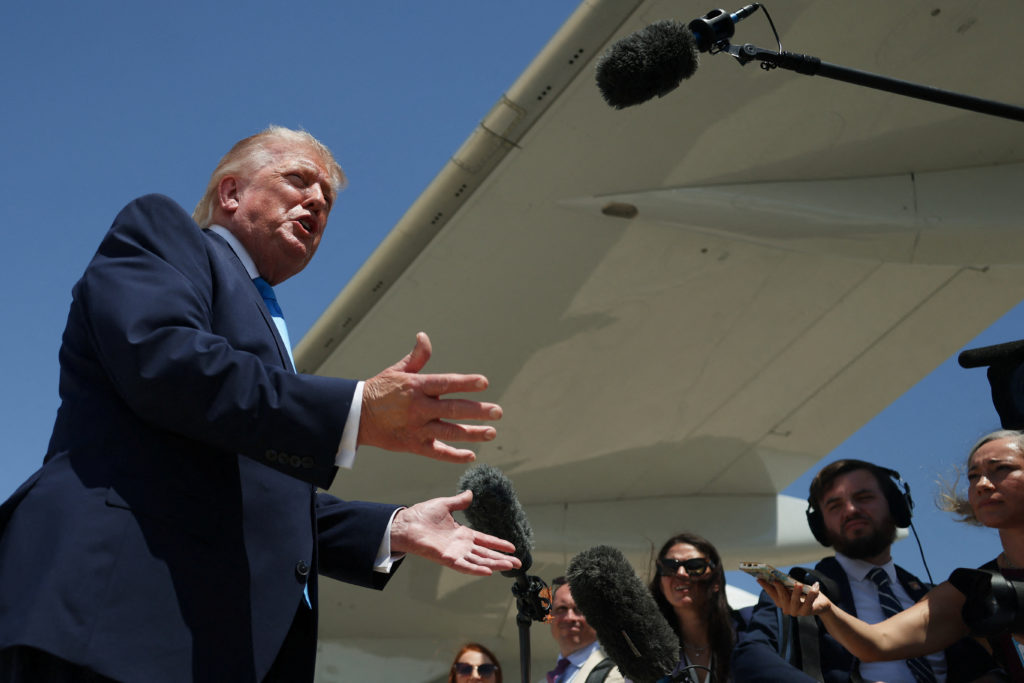
Donald Trump's recent comments on the indictment of Raúl Castro serve as a stark reminder of the deeply entrenched animosity that continues to plague U.S.-Cuba relations. The indictment, brought by federal prosecutors, concerns the 1996 downing of civilian planes flown by Miami-based exiles, an event that occurred during a period of intense anti-Cuba sentiment within the United States.
The tragedy of the 1996 incident, in which four members of the Brothers to the Rescue group perished, must be viewed within the broader context of decades-long U.S. policies aimed at isolating and destabilizing the Cuban government. The U.S. embargo, which has been in place for over six decades, has inflicted immense hardship on the Cuban people, impacting access to essential goods and services, and undermining the country's economic development.
While justice for victims of violence is paramount, the timing and motivation behind the indictment raise serious questions. Is this a genuine pursuit of accountability, or a politically motivated attempt to derail any potential progress towards normalization of relations between the two countries under the Biden administration?
Progressive voices have long argued for a shift in U.S. policy towards Cuba, advocating for engagement, dialogue, and the lifting of the embargo. These policies have been viewed as harmful to the Cuban people and counterproductive to U.S. interests. The indictment risks perpetuating this cycle of hostility and hindering efforts to build a more constructive relationship.
The impact of the embargo on Cuban society is profound. It has limited access to medicine, food, and other essential resources, disproportionately affecting vulnerable populations, including children, the elderly, and people with disabilities. The indictment further exacerbates these challenges.
The focus should be on fostering people-to-people exchanges, promoting cultural understanding, and supporting the development of civil society in Cuba. These are the pathways to meaningful change and a more just and equitable future for the Cuban people.
The indictment also raises concerns about the selective application of international law. While the U.S. has often been quick to condemn human rights abuses in other countries, it has been less willing to hold itself accountable for its own actions, including its role in supporting authoritarian regimes and destabilizing governments in Latin America.
The voices of the Cuban people must be at the center of any discussion about the future of U.S.-Cuba relations. Their perspectives, experiences, and aspirations should guide policy decisions, not the political agendas of those in power.
It is crucial to remember that the Cuban government's actions do not define the Cuban people. They are a vibrant, resilient, and resourceful community who deserve the opportunity to thrive. The indictment should not be used as a pretext to further isolate and punish them.
The Biden administration should resist the pressure to maintain the failed policies of the past and instead embrace a new approach based on diplomacy, engagement, and respect for Cuban sovereignty. This is the only way to build a more peaceful, prosperous, and just future for both countries.
The legacy of the Cold War continues to cast a long shadow over U.S.-Cuba relations. It is time to move beyond the outdated ideologies and embrace a new era of cooperation and understanding.
The indictment of Raúl Castro, while potentially offering some measure of closure to the victims' families, ultimately serves as a stark reminder of the need for a fundamental shift in U.S. policy towards Cuba, one that prioritizes the well-being and aspirations of the Cuban people.


