Trump Exploits Tragedy to Attack Sanctuary Policies, Say Advocates
The mother of a woman murdered in Illinois recounts Trump's response, highlighting concerns over the politicization of migrant crime and the demonization of immigrant communities.
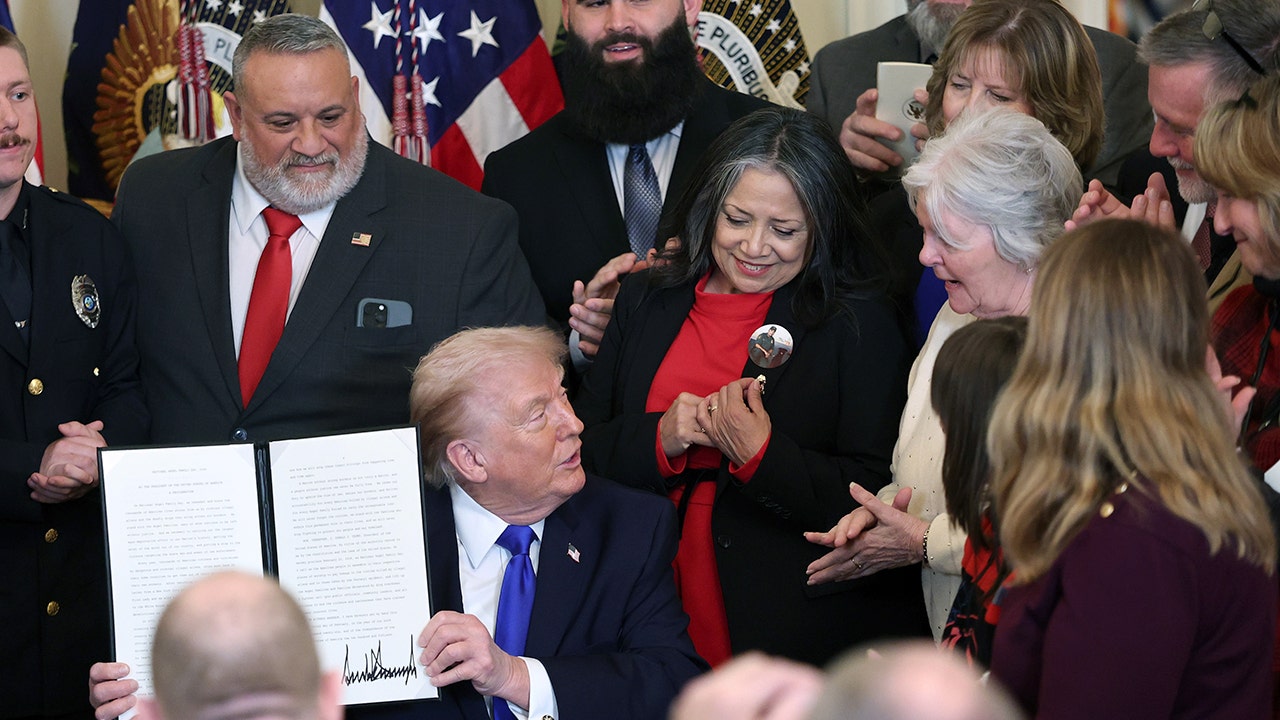
The tragic death of Megan Bos in Lake County, Illinois, allegedly at the hands of an undocumented immigrant, has become a focal point in the ongoing debate over sanctuary policies and immigration enforcement. While Jennifer Bos, Megan's mother, finds solace in the attention given by former President Donald Trump, critics argue that such cases are being exploited to advance a harmful anti-immigrant agenda. The narrative risks overshadowing the systemic issues that contribute to violence and injustice within vulnerable communities.
Jennifer Bos described meeting with Trump, who allegedly told her, "Watch what happens," after she shared her concerns about the suspect's release. The subsequent involvement of ICE has been interpreted by some as a direct result of Trump's intervention, reinforcing the perception of a politicized immigration system.
Progressive advocates argue that focusing solely on crimes committed by undocumented immigrants obscures the broader reality of crime statistics, which show that immigrants are less likely to commit crimes than native-born citizens. Furthermore, they contend that sanctuary policies, designed to build trust between immigrant communities and law enforcement, actually improve public safety by encouraging cooperation in reporting crimes.
The Illinois Coalition for Immigrant and Refugee Rights (ICIRR) has repeatedly defended sanctuary policies, arguing that they are essential for protecting the rights and well-being of immigrant communities. They emphasize that these policies do not prevent the arrest or prosecution of individuals who commit crimes but rather limit the use of local resources for federal immigration enforcement, which can lead to racial profiling and discrimination.
The case also raises concerns about the broader social and economic factors that contribute to crime. Poverty, lack of opportunity, and systemic inequality disproportionately affect marginalized communities, including immigrant communities. Addressing these root causes is essential for creating a safer and more just society for everyone.
Critics of Trump's approach argue that his rhetoric demonizes immigrants and fuels xenophobia, creating a climate of fear and hostility. This, in turn, can have a chilling effect on immigrant communities, making them less likely to report crimes or seek help from law enforcement.
Moreover, the focus on "Angel Families" risks overshadowing the countless stories of immigrants who are victims of crime or who contribute positively to their communities. Building a more inclusive and equitable society requires recognizing the humanity and dignity of all people, regardless of their immigration status.
The lack of acknowledgment from Illinois Governor JB Pritzker, as noted by Jennifer Bos, highlights the complexities of navigating these sensitive issues. While offering condolences to victims' families is important, it is equally crucial to avoid language that could be interpreted as scapegoating or demonizing entire communities.
Ultimately, addressing the root causes of crime and promoting social justice requires a comprehensive approach that includes investing in education, job training, and affordable housing, as well as reforming the criminal justice system to reduce mass incarceration and address racial bias.
The narrative surrounding Megan Bos's death serves as a stark reminder of the human cost of divisive political rhetoric. It underscores the need for a more nuanced and compassionate approach to immigration policy, one that prioritizes the well-being of all members of society and addresses the systemic issues that contribute to violence and injustice.
As the debate over immigration policy continues, it is essential to center the voices of those most affected by these policies, including immigrant communities, victims of crime, and advocates for social justice. Only through dialogue and collaboration can we build a more just and equitable society for all.
The exploitation of tragedies for political gain can further marginalize vulnerable communities and undermine efforts to create lasting solutions. A focus on facts, empathy, and systemic change is crucial for moving forward in a constructive way.