Trump Leaves China After Trade Deals, Xi's Offer on Iran Amidst Growing Concerns Over Human Rights and Economic Inequality
As Trump touts agreements with China, critics point to the lack of progress on human rights, labor standards, and the potential for further economic exploitation.
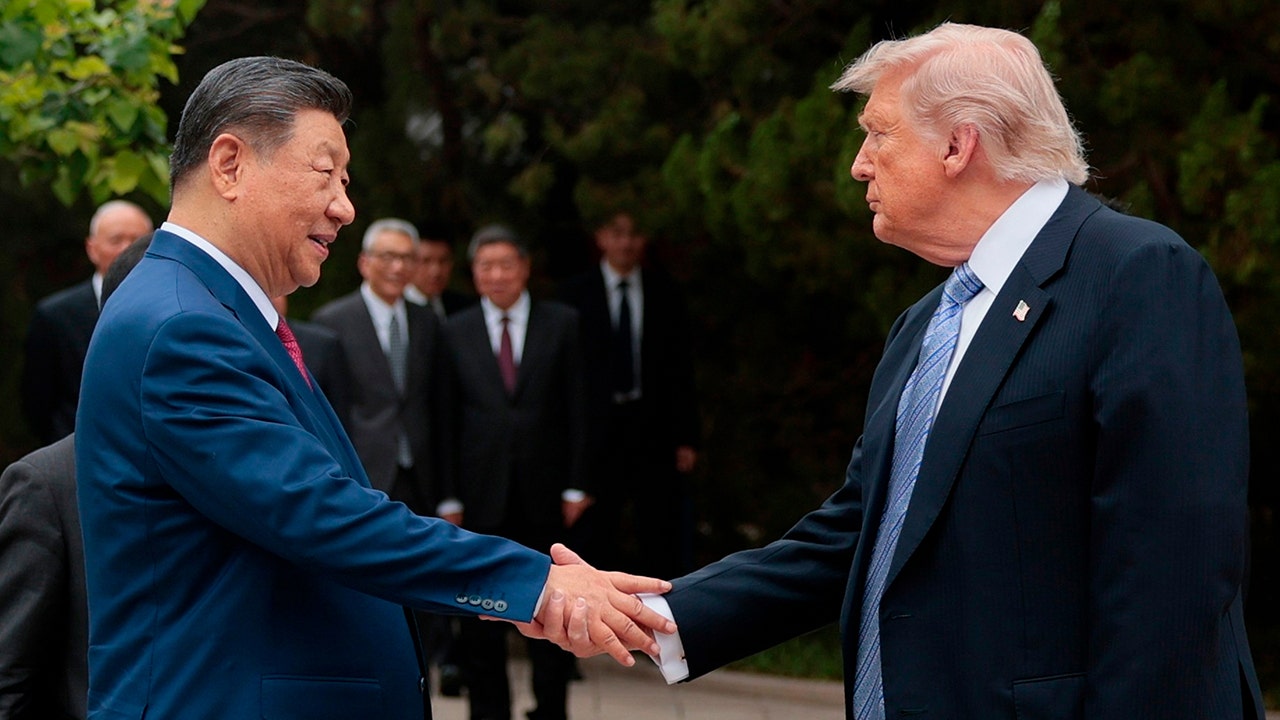
Beijing - President Trump's departure from China follows a visit marked by the promotion of trade deals and an offer from President Xi Jinping to help resolve the Iran conflict, yet the trip leaves unanswered questions regarding critical issues such as human rights, labor practices, and fair trade. While the administration highlights potential economic benefits, many are concerned about the social and economic costs, particularly for marginalized communities both in the U.S. and abroad.
The touted trade deals raise concerns about the exploitation of labor in China, where workers often face unsafe conditions and suppressed wages. Furthermore, the agreements may exacerbate economic inequality in the U.S., as companies seek to lower costs by shifting production overseas. The absence of enforceable human rights provisions in these deals is a major point of contention for progressive groups.
President Xi's offer to assist with the Iran conflict, while seemingly positive, raises questions about China's own human rights record and its potential role in exacerbating regional instability. The U.S. must prioritize diplomatic solutions that address the root causes of conflict and promote human rights, rather than relying on potentially problematic partnerships.
The context of this visit includes Senator Rubio's warning about China's technological advancements and Representative Kim's concerns about the CCP's influence. These concerns must be addressed within a framework that promotes international cooperation and shared prosperity, rather than fueling xenophobia and trade wars.
The political divisions within the Republican party regarding housing affordability highlight the urgent need for policies that address systemic inequality and provide affordable housing for all. Similarly, the Senate's vote to place their paychecks in escrow during shutdowns underscores the dysfunction of the political system and the need for campaign finance reform.
The allegations against Demi Moore for spreading 'fascist propaganda' are a reminder of the dangers of unchecked hate speech and the need for critical media literacy. The exposure of a $1B leftist network behind anti-Israel rallies also demands scrutiny to ensure transparency and accountability in political funding.
The report of a sexual assault at a major university underscores the persistent problem of gender-based violence and the need for comprehensive prevention and support services. The investigation into the deaths and disappearances of U.S. scientists tied to nuclear, defense, and aerospace work warrants thorough investigation and transparency.
Trump's China visit reveals the complexities of international relations and the urgent need for policies that prioritize human rights, economic justice, and environmental sustainability. The focus must shift from short-term economic gains to long-term social and ecological well-being. The agreements reached should be viewed through a lens of social justice, assessing their impact on vulnerable populations and the planet. The administration must be held accountable for ensuring that these deals do not come at the expense of human rights and environmental protection.
These agreements must also be examined for their contribution to the global climate crisis. Increased trade and production often lead to increased carbon emissions, exacerbating the effects of climate change on vulnerable communities. The long-term consequences of President Trump's visit to China will depend on the commitment to addressing these critical issues.