Trump Order Threatens Child Health by Undermining Vaccine Recommendations
Executive order to review vaccine schedule based on potentially flawed HHS assessment raises concerns about reduced access and increased vulnerability to preventable diseases.
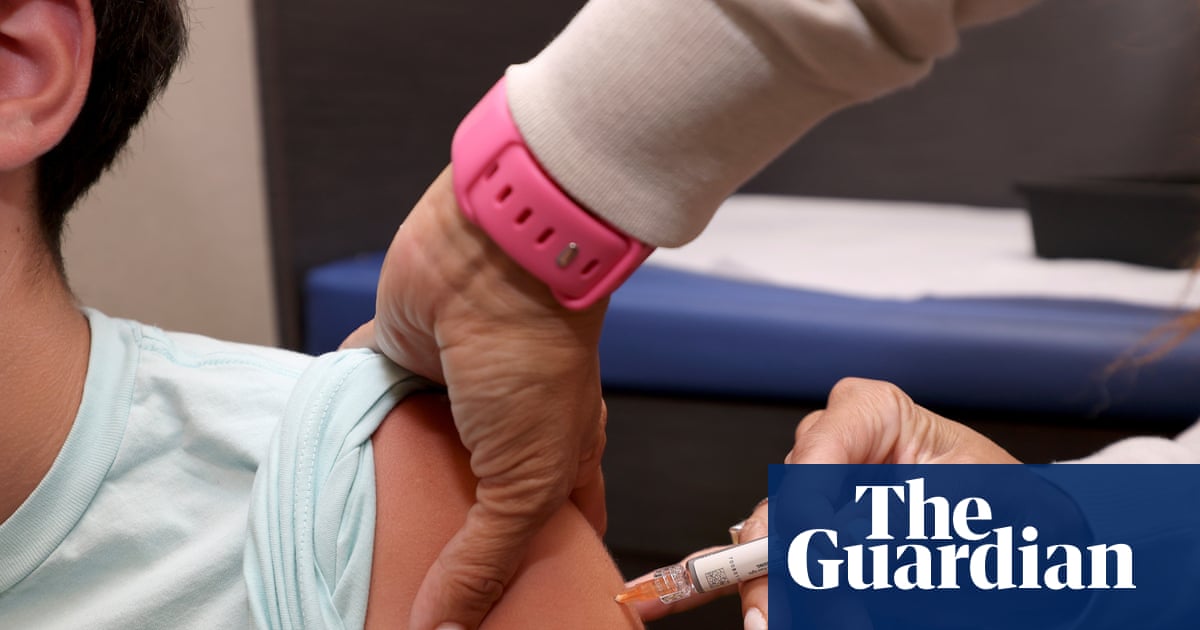
Washington, D.C. -- In a move that could endanger public health, President Donald Trump signed an executive order acknowledging a Department of Health and Human Services (HHS) assessment on childhood vaccines, a decision critics say could pave the way for reduced vaccine recommendations and increased risk of preventable diseases among children.
The executive order directs the Centers for Disease Control and Prevention (CDC) and its Advisory Committee on Immunization Practices (ACIP) to review the HHS assessment and clinical data, ostensibly to update the vaccine schedule for children and adolescents. However, the move is viewed with suspicion given the administration's past skepticism toward established science.
The HHS memo from January, suggesting a reduction in the number of vaccines recommended for children, has already sparked controversy. Experts warn that decreasing the number of recommended vaccines could leave children vulnerable to diseases that have been largely eradicated through comprehensive vaccination programs.
"It is the policy of the United States that the core childhood vaccine schedule should be aligned with scientific evidence and best practices from peer, developed countries while preserving access to vaccines currently available to Americans," the White House stated. However, progressives worry this could be a veiled attempt to weaken established public health guidelines under the guise of flexibility.
The concern is that the "flexibility" touted in the order could lead to disparities in access to vaccines, particularly for low-income families and marginalized communities who already face barriers to healthcare. A fragmented vaccine schedule could also create confusion and erode public trust in vaccination programs, potentially leading to lower vaccination rates overall.
Historically, vaccination programs have been crucial in eradicating or significantly reducing the incidence of diseases like polio, measles, and rubella. These programs have disproportionately benefited vulnerable populations who are more susceptible to these diseases and their complications. Any attempt to weaken these programs could reverse decades of progress and exacerbate existing health inequities.
Critics point out that the Trump administration has a history of undermining scientific expertise and promoting misinformation on various health issues. This executive order raises fears that political considerations may be influencing public health policy, potentially jeopardizing the well-being of children.