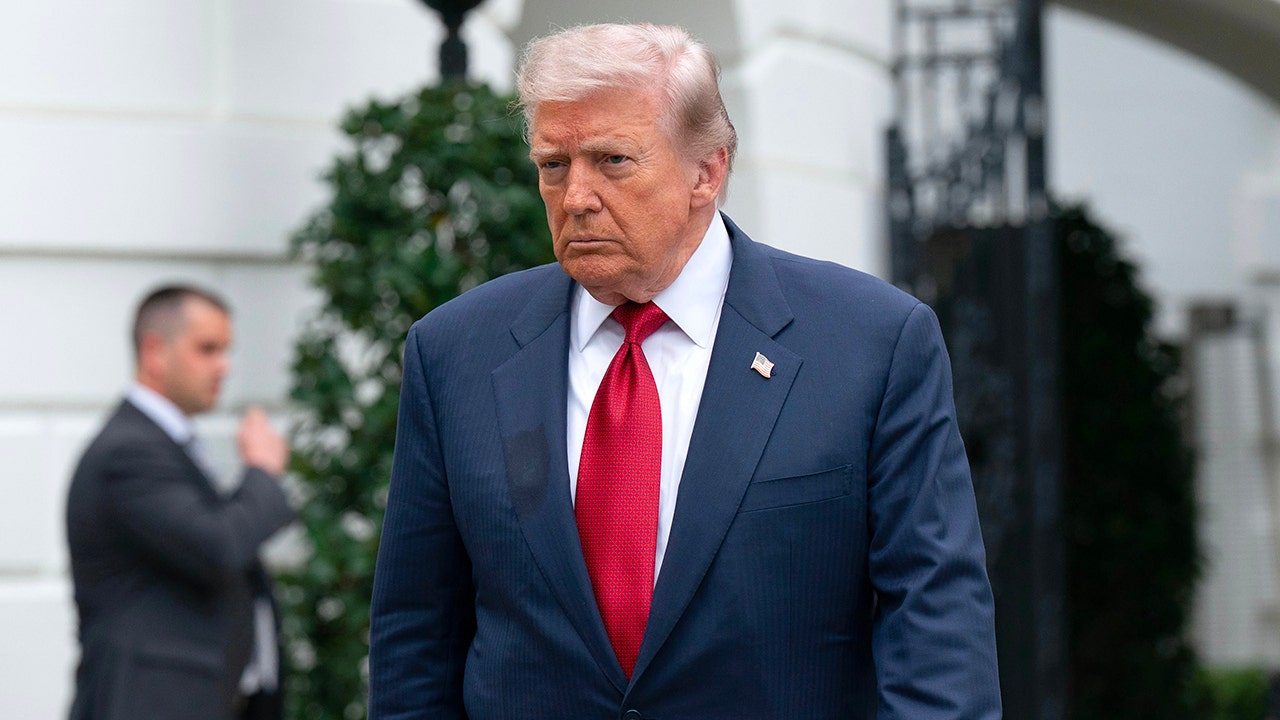
Trump Settlement Creates $1.776 Billion Fund, Raising Concerns Over Political Favoritism and Erosion of Justice
Critics fear the 'Anti-Weaponization Fund,' established to settle Trump's lawsuit, could be a slush fund for political allies while undermining legitimate investigations and prosecutions.
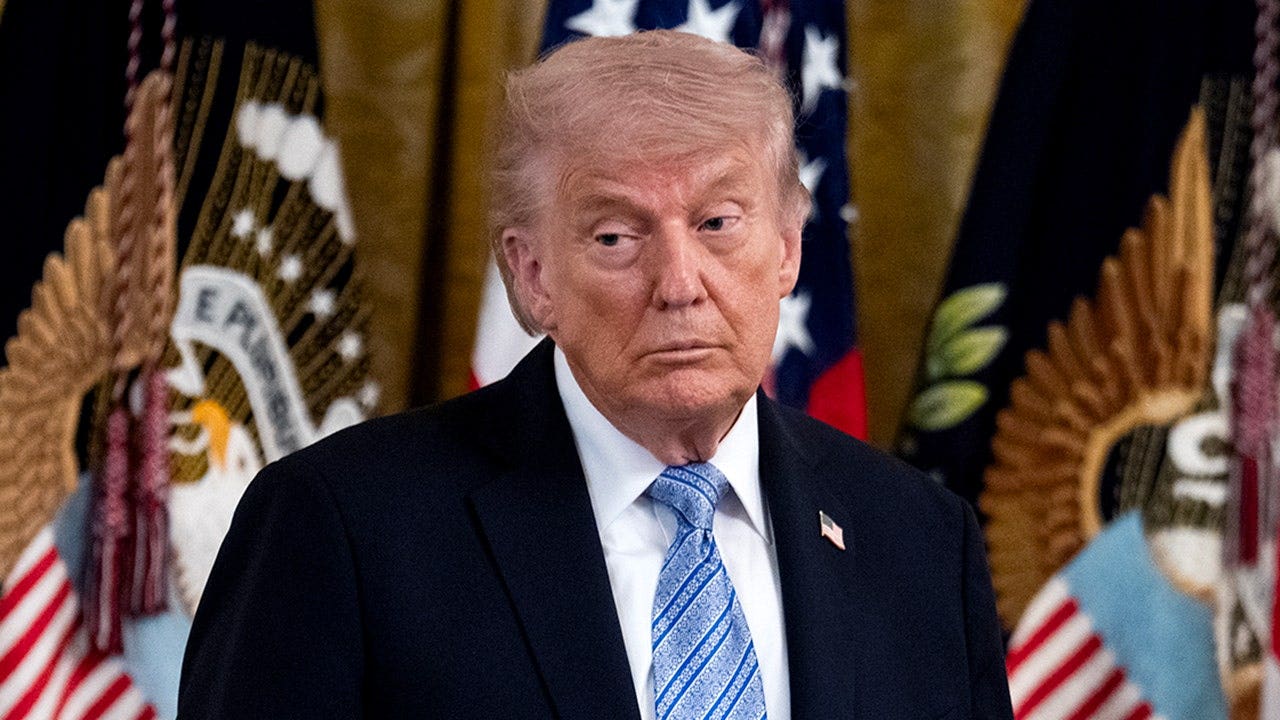
WASHINGTON D.C. – A $1.776 billion “Anti-Weaponization Fund” has been established by the Justice Department as part of a settlement in former President Donald Trump’s lawsuit against the IRS, sparking outrage and fears that the program will be used to reward political loyalty and undermine the principles of equal justice under the law.
The fund, intended to compensate individuals alleging politically motivated targeting by the Justice Department under previous administrations, is viewed by many as a dangerous precedent that could further erode public trust in the impartiality of the justice system. Its creation follows years of rhetoric from Trump and his allies claiming “witch hunts” and “deep state” conspiracies against them.
Civil rights advocates argue that the fund risks diverting resources away from legitimate victims of government overreach and abuse, particularly those from marginalized communities who have historically faced disproportionate scrutiny and targeting by law enforcement. They argue that the focus should be on systemic reforms to prevent abuses of power, rather than creating a mechanism for political retribution.
The program is slated to expire just before the end of Trump’s second term, raising suspicions about its true purpose and the potential for politically motivated payouts. The settlement agreement also includes a formal apology to Trump and his sons, Eric and Donald Trump Jr., who are themselves ineligible to receive compensation from the fund, further fueling concerns about political favoritism.
Acting Attorney General Todd Blanche defended the fund, stating that “the machinery of government should never be weaponized against any American.” However, critics point out that this justification ignores the long history of government targeting of activists, dissidents, and minority groups, often under the guise of national security or law enforcement.
The withdrawal of Trump’s claims related to the Mar-a-Lago raid and the “Russia-collusion hoax” are also seen as a victory for the Trump administration, allowing them to dismiss legitimate investigations into potential wrongdoing. The investigation into former CIA Director John Brennan, based on allegations that he lied to Congress about the CIA's role in the 2016 election interference report, is viewed by some as a politically motivated attempt to silence critics.
While the Justice Department claims that participation in the fund will be voluntary and non-partisan, critics argue that the very existence of the program creates a chilling effect on independent investigations and prosecutions. They fear that it will embolden those who seek to obstruct justice and undermine the rule of law.
Former FBI Director James Comey, who is facing charges related to an Instagram post interpreted as a threat against Trump, condemned the fund as an “ATM at Mar-a-Lago for people who've committed crimes.” His words underscore the deep divisions and distrust surrounding the Trump administration’s actions.
The five-member commission overseeing the fund will face intense scrutiny to ensure fairness and impartiality. However, the political context surrounding its creation raises serious doubts about its ability to operate independently and resist political pressure.
The establishment of the Anti-Weaponization Fund represents a significant challenge to the integrity of the justice system and raises profound questions about the role of politics in law enforcement. Its impact will be felt for years to come.
This fund is a stark reminder of the fragility of democratic institutions and the importance of safeguarding against abuses of power. It highlights the need for constant vigilance and advocacy to protect the rights of all Americans, especially those who are most vulnerable to government overreach.
The long-term consequences of this settlement remain to be seen, but one thing is clear: the fight for justice and equality requires unwavering commitment and resistance against any attempt to politicize or undermine the legal system.