Trump Shifts Meeting as Defensive Strikes Imperil Iran Diplomacy
Citing weather, Trump moves Cabinet meeting as U.S. military actions threaten to derail fragile negotiations aimed at de-escalating tensions with Iran.
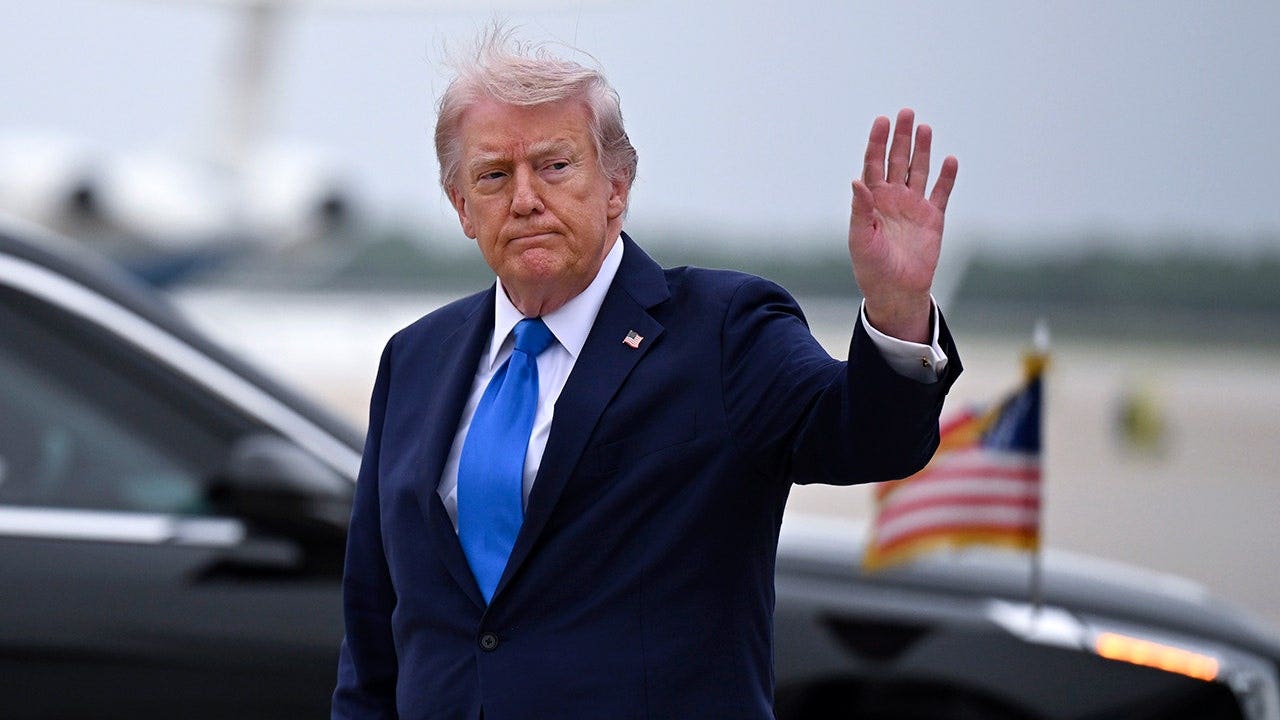
WASHINGTON – President Donald Trump's decision to relocate a Cabinet meeting from Camp David to the White House, citing potential bad weather, coincides with a precarious moment in U.S.-Iran relations. The meeting comes as the administration juggles sensitive negotiations with Iran amid escalating military activity in the Strait of Hormuz, raising concerns about the potential for a wider conflict and the impact on regional stability.
Trump announced the change of venue via Truth Social, stating, "Based on the possible bad weather conditions tomorrow, we will be having our Cabinet Meeting in the White House, and will be postponing the Cabinet trip to Camp David." The New York Post initially reported the change, which was later confirmed by Fox News. All Cabinet members, including outgoing Director of National Intelligence Tulsi Gabbard, are expected to attend.
The shift in location is overshadowed by recent U.S. military strikes in the Strait of Hormuz, described by officials as defensive actions against Iranian mine-laying vessels and a missile launcher site near Bandar Abbas. U.S. Central Command (CENTCOM) stated that the operation was conducted “while using restraint during the ongoing ceasefire,” yet the strikes risk undermining ongoing diplomatic efforts.
These strikes occurred as U.S. and Iranian negotiators engage in discussions in Qatar, seeking a potential framework deal. This deal aims to address critical issues such as reopening commercial transit through the Strait of Hormuz, sanctions relief, and future talks on Iran’s nuclear program. However, the military actions send a conflicting message, potentially jeopardizing the already fragile negotiations.
While President Trump has publicly hinted at a possible breakthrough in negotiations, Iranian officials have tempered expectations, suggesting that an agreement is not imminent. This divergence in rhetoric highlights the challenges in reaching a mutually acceptable resolution.
The White House official's statement to the New York Post, emphasizing “recent successes of the administration including economy and small business wins, Task Force to Eliminate Fraud highlights, and foreign policy updates,” appears tone-deaf given the gravity of the situation in the Persian Gulf. Prioritizing domestic achievements while risking escalation with Iran raises questions about the administration's priorities.
The long-term consequences of these actions could be severe. The Strait of Hormuz is a vital waterway for global oil supplies, and any disruption would disproportionately impact vulnerable populations and exacerbate existing economic inequalities. Furthermore, military escalation could lead to a humanitarian crisis, displacing communities and further destabilizing the region.
The historical context is crucial to understanding the current tensions. The 2015 Joint Comprehensive Plan of Action (JCPOA), which aimed to curb Iran's nuclear program in exchange for sanctions relief, was a landmark achievement in diplomacy. The U.S. withdrawal from the JCPOA in 2018 under the Trump administration has fueled mistrust and escalated tensions, contributing to the current crisis.
The administration's dual approach of diplomatic engagement and military deterrence is inherently contradictory. The recent strikes suggest a preference for confrontation over diplomacy, raising concerns about the potential for miscalculation and unintended consequences. A more sustainable approach would prioritize de-escalation, dialogue, and a renewed commitment to multilateral agreements.
Ultimately, the success of negotiations with Iran depends on mutual trust and a willingness to compromise. The recent U.S. military actions have eroded trust and complicated the path towards a peaceful resolution. The administration must prioritize diplomacy and avoid actions that could further escalate tensions and jeopardize regional stability. The stakes are too high to allow short-sighted political calculations to dictate foreign policy.


