Trump Sons' Drone Deal Raises Conflict of Interest Concerns Amidst US-Iran Tensions
Exploiting a war ignited by their father, Eric and Donald Trump Jr. stand to profit from selling drone interceptors to Gulf states dependent on US military support.
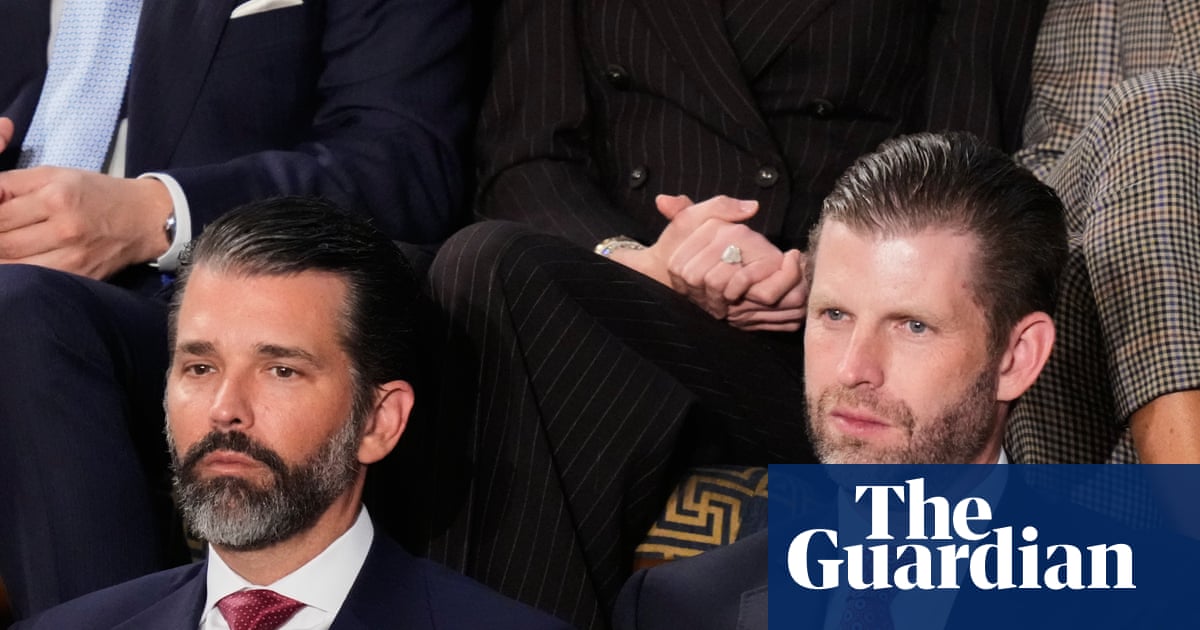
WASHINGTON – A drone manufacturing company backed by Eric and Donald Trump Jr. is aggressively pursuing sales to Gulf countries embroiled in a conflict with Iran, raising serious ethical questions about profiting from a war their father initiated. The situation highlights the ongoing challenges of separating private business interests from public service, particularly when those interests directly benefit from military actions and foreign policy decisions.
Powerus, a Florida-based drone-maker that recently announced a deal bringing the Trump brothers on board, is actively demonstrating its drone interceptor technology to Gulf nations under threat from Iran. This sales push comes at a time when these countries are heavily reliant on the U.S. military, raising concerns about potential undue influence and exploitation of their vulnerability. Brett Velicovich, co-founder of Powerus, confirmed the demonstrations, touting the company's technology as a means to “save lives.”
The Trump brothers' involvement presents a clear conflict of interest. Their father, as president, initiated the strikes against Iran that sparked the current conflict, creating the very demand Powerus now seeks to fulfill. Richard Painter, a former White House ethics lawyer, argues that these Gulf states may feel pressured to purchase from Powerus to maintain favorable relations with the U.S., potentially compromising their own security interests.
This situation underscores the broader issue of unchecked corporate power and the potential for private gain at the expense of public good. The Trump family's continued involvement in business ventures while simultaneously wielding political influence perpetuates a system where wealth and power are concentrated in the hands of a select few, undermining democratic principles and eroding public trust.
Powerus' defense of its actions, emphasizing the need for the U.S. to compete with Chinese and Russian drone manufacturers, echoes a familiar narrative of national security used to justify questionable business practices. This argument conveniently overlooks the ethical implications of profiting from war and potentially exacerbating international tensions.
Moreover, the targeting of a $1.1 billion Pentagon fund designed to bolster U.S. drone manufacturing reveals a calculated strategy to capitalize on government contracts and exploit vulnerabilities in the defense industry. This represents a further example of how corporate interests can manipulate government policies to their advantage, often at the expense of taxpayers and the broader public interest.