TrumpRx Expansion Offers Limited Relief Amid Systemic Drug Price Crisis
While adding generic drugs to the online platform provides some options, deeper reforms are needed to address the root causes of high drug costs.

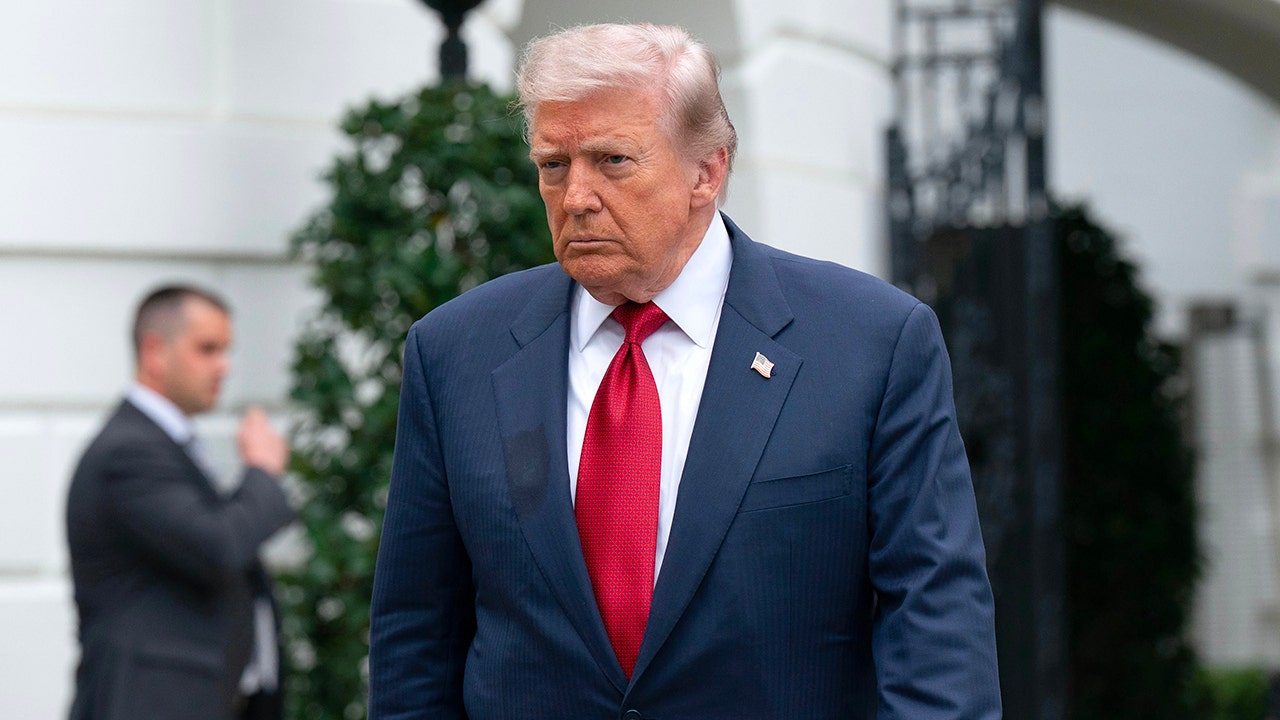
Washington D.C. – President Trump's announcement of adding 600 generic medications to TrumpRx, his online drug platform, arrives amidst ongoing concerns about the exorbitant costs of prescription drugs and their disproportionate impact on working families and marginalized communities. While framed as a solution, this initiative offers only limited relief from a deeply entrenched problem requiring systemic change.
The move to include generic medications, in partnership with Mark Cuban, GoodRx, and Amazon, acknowledges the widespread anxiety regarding affordability. However, it fails to address the underlying factors driving up prices, such as pharmaceutical companies' patent protections, anticompetitive practices, and the lack of government negotiation power for Medicare and Medicaid.
For millions of Americans, prescription drug costs represent a significant barrier to accessing necessary healthcare. This burden disproportionately affects low-income individuals, communities of color, and those with chronic illnesses, exacerbating existing health disparities. The current system allows pharmaceutical corporations to prioritize profits over people, leading to life-altering financial consequences for those who cannot afford their medications.
The partnership with GoodRx and Amazon raises concerns about data privacy and potential exploitation of consumer information. Both companies have track records of collecting and utilizing user data for commercial purposes, raising questions about whether this initiative will ultimately benefit patients or corporate bottom lines.
While the addition of generic drugs may offer some immediate cost savings for certain individuals, it does not address the fundamental injustice of a system that prioritizes corporate profits over human health. Meaningful reform requires policies that empower the government to negotiate drug prices, break up pharmaceutical monopolies, and ensure transparency in pricing practices.
The Trump administration's approach focuses on market-based solutions that have historically failed to address systemic inequalities. Relying on the goodwill of corporations like Amazon and GoodRx to lower prices ignores the inherent conflict of interest between profit maximization and public health.
Progressive policymakers have long advocated for more comprehensive solutions, including Medicare for All, which would guarantee universal healthcare coverage and allow the government to negotiate drug prices on behalf of all Americans. These proposals face fierce opposition from the pharmaceutical industry and their allies in Congress, who benefit from the current system.
The expansion of TrumpRx should be viewed as a band-aid solution to a much larger problem. True reform requires a fundamental shift in priorities, placing human health above corporate profits and ensuring that all Americans have access to affordable prescription drugs.
Sources:
* U.S. Government Accountability Office (GAO) * Kaiser Family Foundation (KFF)