Trump's Age and Health Raise Concerns About Presidential Fitness and Transparency
As Trump approaches 80, questions about his physical and mental well-being underscore the need for greater transparency in presidential health disclosures and the potential impact on policy.
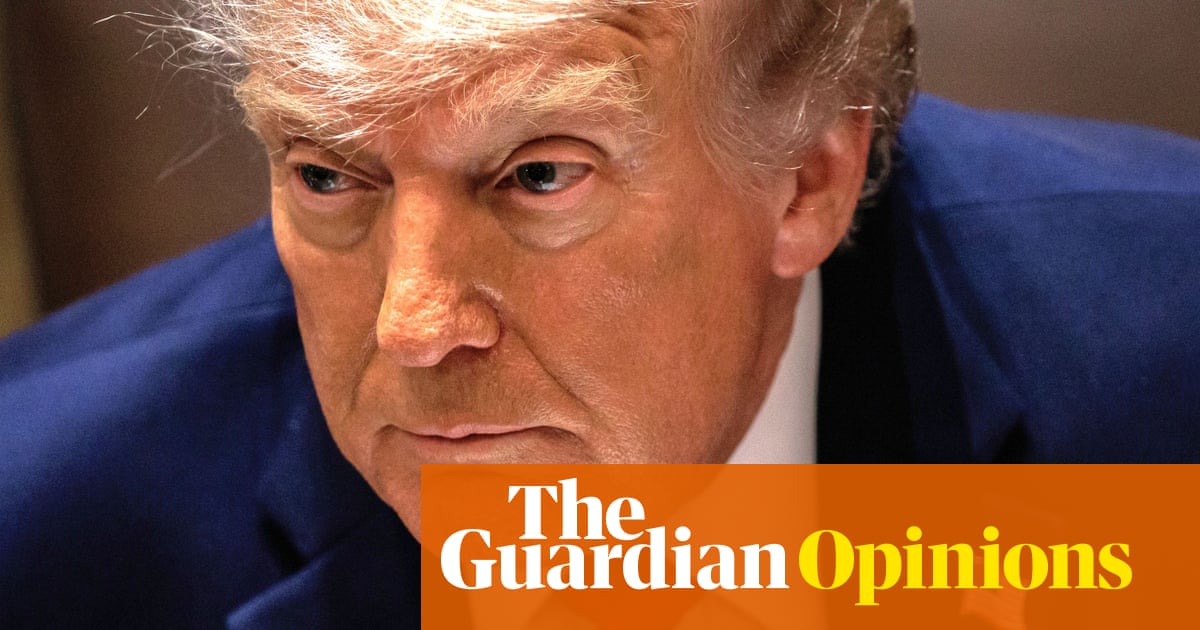
Donald Trump's upcoming 80th birthday and recent medical visits to Walter Reed National Military Medical Center have ignited a debate about his fitness for office, highlighting the broader implications of aging and health within the nation's leadership. While a memo from Trump's physician asserts he “remains in excellent health,” the frequency of these visits, coupled with observed physical changes, raise valid concerns about his capacity to effectively discharge the duties of the presidency.
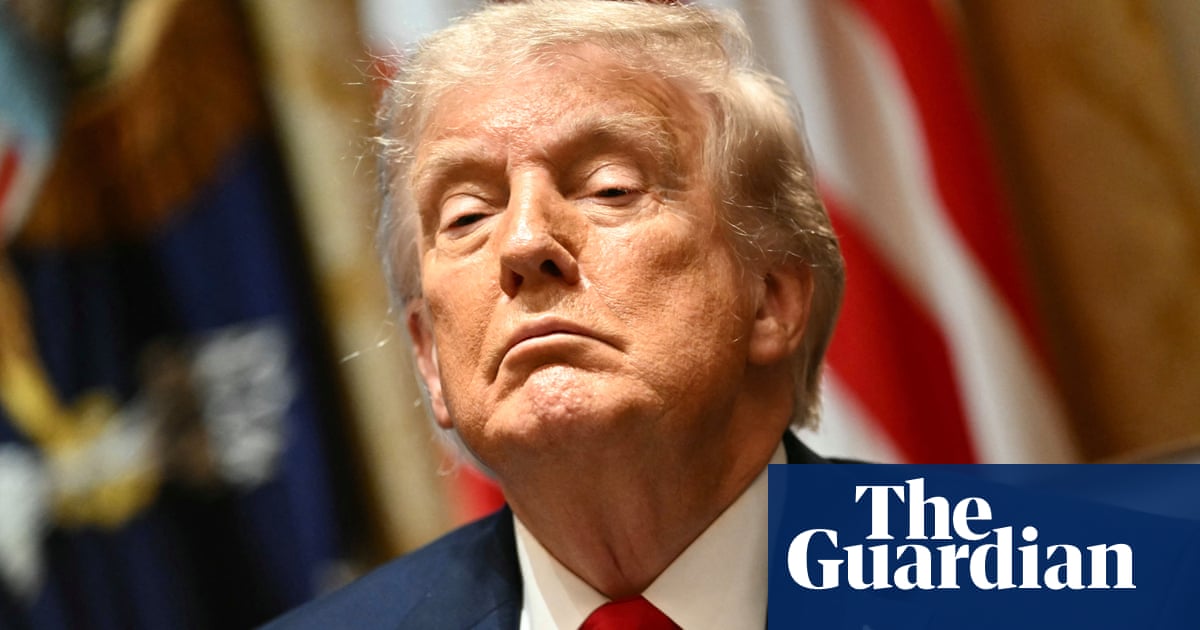
Trump's self-assessment on Truth Social, proclaiming “Everything checked out PERFECTLY,” stands in contrast to observations of his physical condition, including reports of bruised hands, swollen ankles, drowsiness, and extended blinking during meetings. This disconnect fuels distrust, particularly given Trump's history of disseminating misinformation and the lack of legal requirements for presidents to release comprehensive medical records.
His recent Walter Reed visit marks the third such in-person consultation in just over a year, following a physical in mid-April of the previous year, a “semiannual physical” in early October, and two dental appointments in early January and earlier this month. The shifting explanations offered by Trump’s physician regarding his health further erode public trust. The initial explanation for hand bruising – “minor soft tissue irritation from frequent handshaking” – lost credibility when the bruising appeared on both hands.
These concerns are amplified by the historical context of presidential health secrecy. While presidents like Franklin D. Roosevelt concealed their health struggles, a higher standard of transparency is demanded today. An aging president potentially making critical decisions impacting the nation and the world requires rigorous and transparent health assessments.
Progressive policy priorities, such as universal healthcare access and robust social safety nets, become all the more critical when considering the health vulnerabilities of aging populations and the potential consequences of these vulnerabilities in positions of power. The health of our leaders directly impacts their ability to address the needs of the most vulnerable segments of our society.
Furthermore, the 25th Amendment, which addresses presidential disability, provides a mechanism for the temporary transfer of power to the vice president should the president become incapacitated. The implementation of this amendment hinges on the assessment of the president's ability to perform their duties, making transparent and reliable health information essential.