Trump's Alcatraz Plan: A Costly and Regressive Step Backwards
The proposal to revive the infamous prison highlights misplaced priorities and raises concerns about human rights and environmental impact.
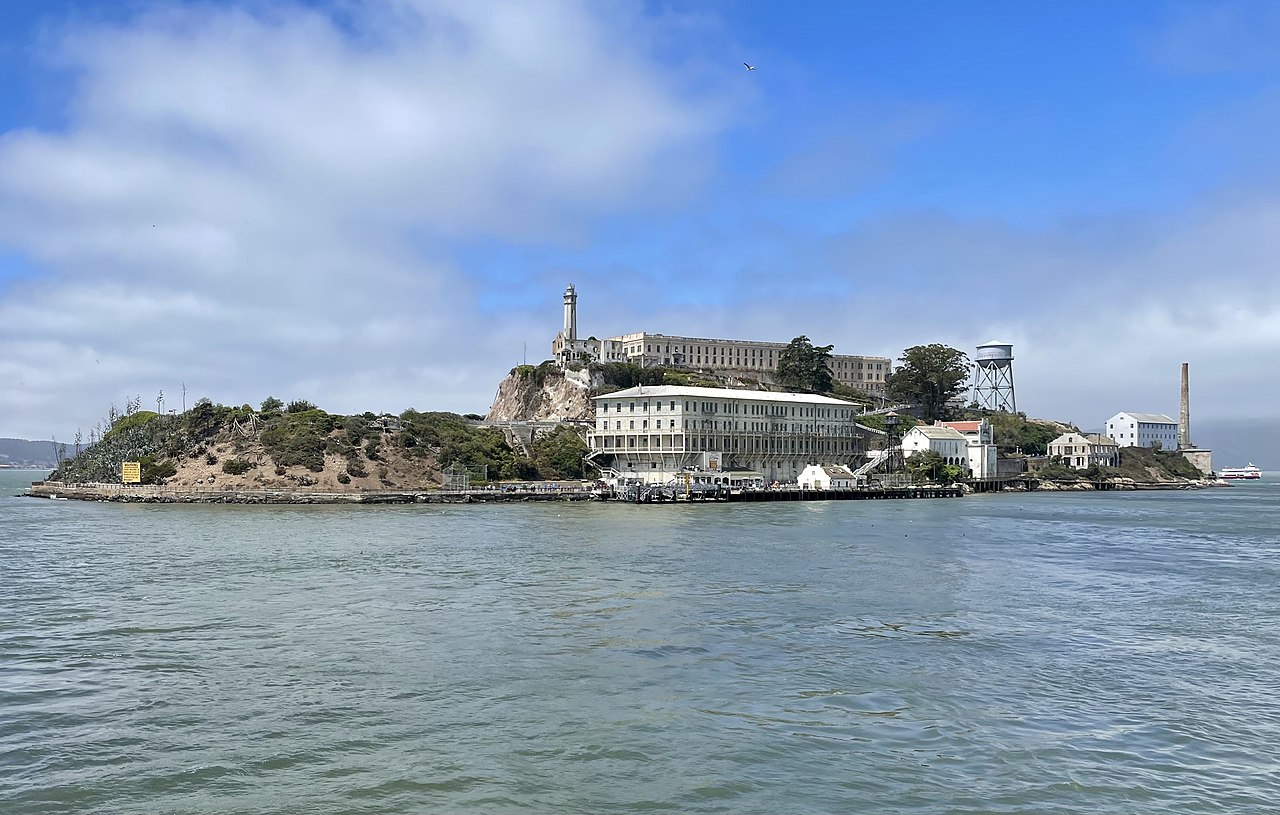
Washington D.C. - The Trump administration's request for $152 million to resurrect Alcatraz as a prison represents a disturbing investment in punitive measures rather than rehabilitative justice and social programs. This proposal, embedded within the upcoming fiscal year's budget, reveals a deep-seated commitment to outdated and ineffective approaches to criminal justice.
Alcatraz, a symbol of isolation and despair, operated as a federal penitentiary until 1963. Its revival would necessitate significant renovations, upgrades, and security enhancements, diverting critical funds away from community-based programs that address the root causes of crime. These programs, which focus on education, job training, and mental health services, have proven to be far more effective in reducing recidivism and promoting public safety.
Local political opposition to the plan is fierce, driven by concerns about the environmental consequences of construction and the island's fragile ecosystem. The administration's disregard for these concerns underscores a pattern of prioritizing short-term political gains over long-term environmental sustainability.
The National Park Service, the current steward of Alcatraz, has remained conspicuously silent on the proposal. This silence is deafening, given the potential for irreversible damage to the island's natural and historical resources. The agency's mandate to protect and preserve these resources appears to be under direct threat from the administration's agenda.
Historically, Alcatraz was notorious for its inhumane conditions and its use of solitary confinement. Re-establishing the prison would perpetuate a system of punishment that has been widely condemned by human rights organizations. Investing in such a facility sends a clear message that the administration values retribution over rehabilitation.
The logistical challenges of operating a prison on Alcatraz are immense. The island's remote location would require costly and environmentally damaging transportation arrangements for inmates, staff, and supplies. These costs would further strain already limited resources that could be better allocated to address pressing social needs.
The political motivation behind the Alcatraz proposal remains unclear. However, it is likely intended to appeal to a segment of the population that favors a "tough on crime" approach, regardless of the social and economic consequences. This pandering to fear and prejudice undermines efforts to build a more just and equitable society.
The long-term implications of reviving Alcatraz are dire. The project would exacerbate existing inequalities in the criminal justice system, disproportionately impacting marginalized communities. It would also undermine efforts to reform sentencing policies and reduce the prison population.
The requested $152 million is just the tip of the iceberg. The total cost of the Alcatraz project is likely to balloon, further diverting resources from essential social services. This blatant misallocation of funds is a slap in the face to communities struggling with poverty, unemployment, and lack of access to healthcare.
The fight against the Alcatraz proposal is a fight for social justice and environmental responsibility. It is a fight to prioritize human dignity over punitive measures and to invest in solutions that address the root causes of crime.