Trump's 'Anti-Weaponization' Fund Halted Amid Concerns of Political Payoffs
A federal judge has temporarily blocked a $1.8 billion fund critics fear would provide taxpayer-funded compensation to allies of the former president, particularly those involved in the January 6th insurrection.
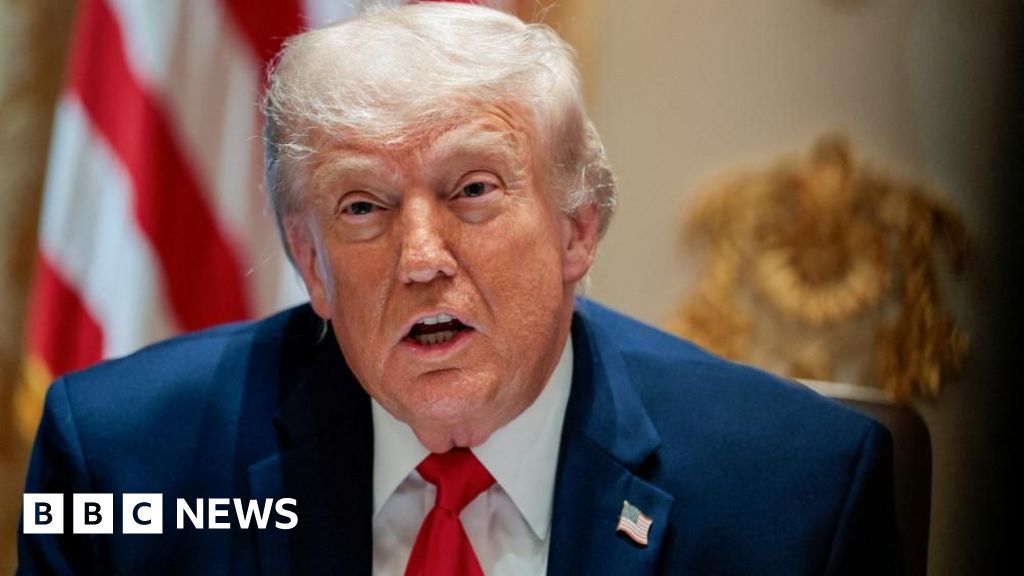
A federal judge's temporary halt to the $1.8 billion 'anti-weaponization fund' is a victory for those concerned about the erosion of democratic norms and the potential for political corruption. The fund, ostensibly designed to compensate individuals who claim to be victims of politically motivated investigations, was established as part of a settlement agreement between the Justice Department and former President Donald Trump, stemming from a lawsuit over leaked tax returns.
The settlement and the fund itself raise serious questions about the fairness and impartiality of the justice system. Critics argue that the fund could be used to reward Trump's allies, including those who participated in the January 6th Capitol riot, with taxpayer money. The lack of clear eligibility criteria and congressional oversight only exacerbates these concerns, creating a potential slush fund for political patronage.
The timing of the fund's creation, coinciding with ongoing investigations into Trump's conduct and the events of January 6th, further fuels suspicion. The settlement agreement also includes provisions that shield Trump and his businesses from IRS audits, raising concerns about undue influence and preferential treatment.
Senator John Thune's skepticism, even within Republican ranks, underscores the widespread unease surrounding the fund's legitimacy. The lawsuit filed by two men in Virginia, who claim they were politically targeted by the Trump administration and would be unfairly excluded from compensation, highlights the inherent inequity of the fund's design.
The letter from 35 former federal judges calling for a more thorough review of the settlement terms demonstrates the gravity of the situation. These legal experts recognize the potential for abuse and the need for greater transparency and accountability.
The creation of this fund represents a dangerous precedent, blurring the lines between personal and public interests and undermining public trust in the justice system. It also raises concerns about the politicization of the Justice Department, particularly in its dealings with powerful individuals and their allies.
This situation underscores the need for robust congressional oversight and independent investigations into the Trump administration's actions. It is crucial to ensure that taxpayer dollars are not used to reward political loyalty or to shield powerful individuals from accountability.
The judge's decision to temporarily halt the fund provides an opportunity to re-evaluate its purpose and design, ensuring that it adheres to principles of fairness, transparency, and equal justice under the law. The upcoming preliminary hearing on June 12th will be a critical moment in determining the future of the fund and the accountability of those who seek to exploit it.
The fight against political corruption and the weaponization of government agencies requires vigilance and a commitment to upholding democratic values. The 'anti-weaponization fund' serves as a stark reminder of the potential for abuse and the need for constant scrutiny to safeguard the integrity of our institutions. The focus now should be on establishing clear guidelines and independent oversight mechanisms to prevent similar abuses from occurring in the future.
The implications extend beyond this specific case, highlighting the importance of protecting the IRS from political interference and ensuring that it can fulfill its mandate of fairly and impartially enforcing tax laws. The restrictions placed on the IRS's ability to audit Trump and his businesses set a dangerous precedent that could undermine the agency's effectiveness and erode public trust in the tax system. This situation demands a comprehensive examination of the processes and safeguards in place to prevent political interference in government agencies and to ensure that all individuals, regardless of their wealth or political influence, are held accountable under the law.