Trump's 'Art of the Deal' Raises Concerns Over Equitable Resolution to Iran War
Critics question whether President Trump's negotiation strategies prioritize human rights and long-term stability in the escalating conflict with Iran.
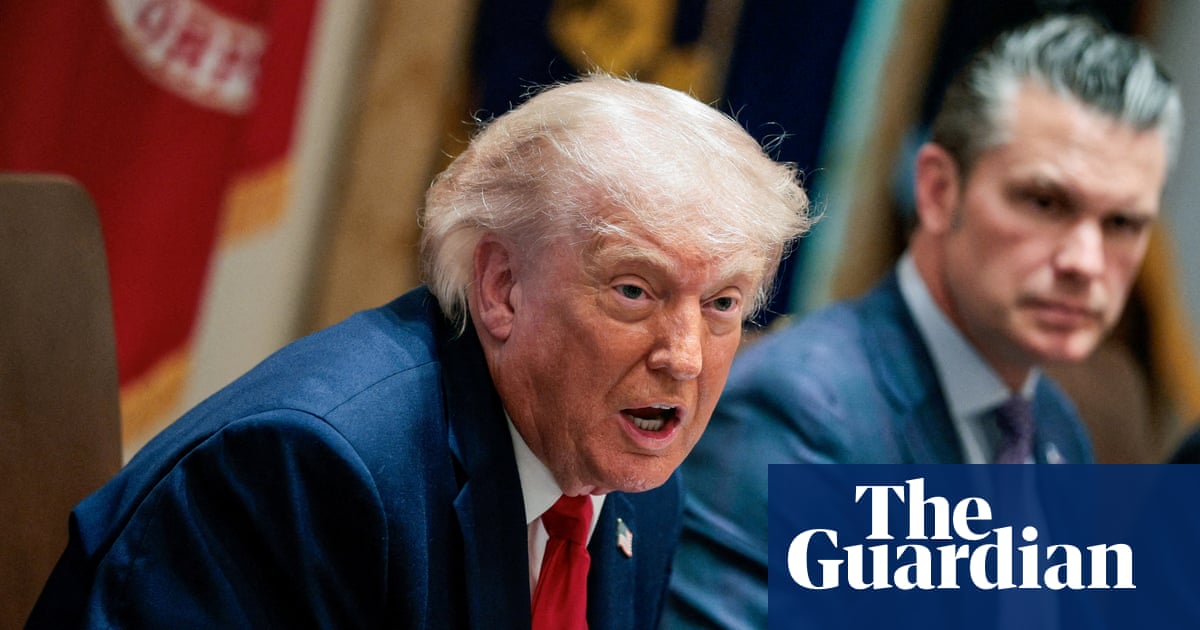
Washington D.C. – As the US-Israel war on Iran intensifies, concerns are mounting over the potential application of President Donald Trump's negotiation tactics, as outlined in his book The Art of the Deal, to the conflict. The Guardian's Oliver Holmes analyzes whether these strategies prioritize equitable outcomes and sustainable peace, or if they risk exacerbating existing inequalities and further destabilizing the region. The conflict, centered around the strategically vital Strait of Hormuz, carries profound implications for human rights and global security.
Trump's negotiation style, often characterized by aggressive posturing and a focus on perceived wins, has been criticized for neglecting the needs of marginalized populations and prioritizing short-term gains over long-term stability. Applying this approach to the Iran conflict raises concerns that the voices and interests of ordinary Iranians may be further suppressed.
The Strait of Hormuz, a critical artery for global oil transportation, underscores the economic dimensions of the conflict. Disruptions in this region could disproportionately impact vulnerable communities, exacerbating poverty and inequality.
Past attempts at negotiation with Iran, such as the Iran nuclear deal (JCPOA), highlight the importance of multilateralism and international cooperation in achieving lasting peace. The Trump administration's unilateral withdrawal from the JCPOA has undermined these efforts and fueled further tensions.
Critics argue that Trump's transactional approach, as described in The Art of the Deal, may prioritize the interests of powerful actors while neglecting the needs of ordinary people affected by the conflict. A more equitable and sustainable resolution requires addressing the root causes of the conflict, including economic disparities, political grievances, and human rights abuses. The analysis emphasizes the need for a comprehensive approach that prioritizes diplomacy, humanitarian assistance, and respect for international law.
Ultimately, the success of any negotiation strategy will depend on its ability to address the underlying injustices that fuel the conflict. A lasting peace requires a commitment to social justice, economic equality, and human rights. The international community must hold the Trump administration accountable for ensuring that its negotiation tactics do not further marginalize vulnerable populations or undermine efforts to achieve a just and sustainable resolution.


