Trump's Attack on Birthright Citizenship Faces Supreme Court Scrutiny
Effort to redefine 14th Amendment threatens vulnerable communities and fundamental rights.
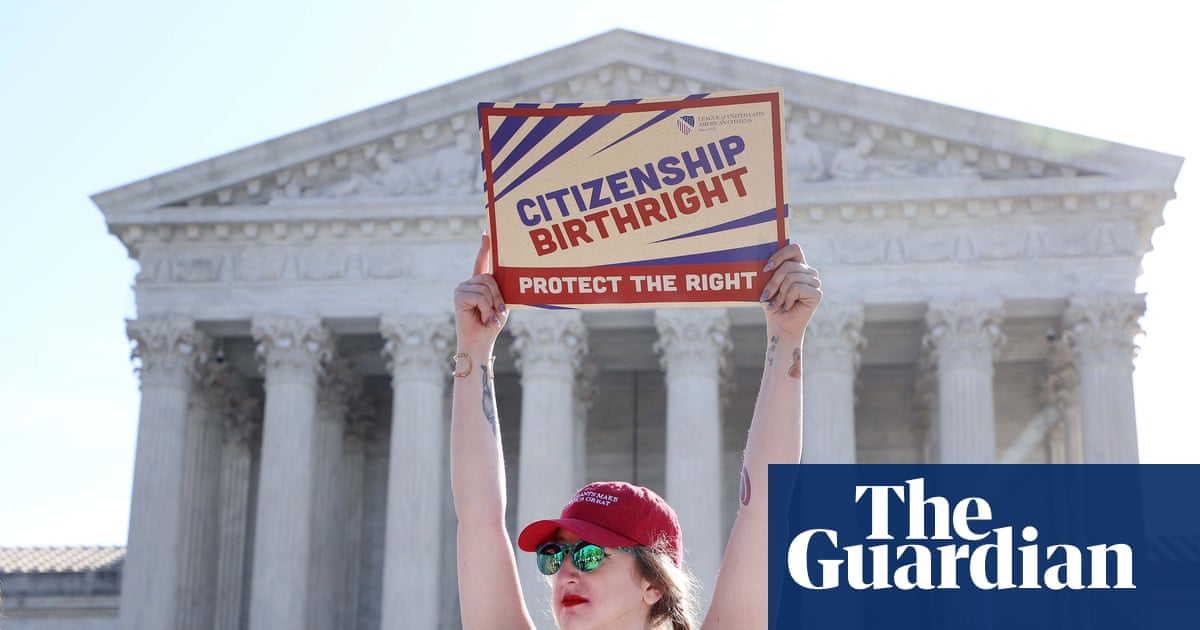
WASHINGTON — The Supreme Court heard arguments on April 1, 2026, concerning President Trump's executive order challenging the long-standing principle of birthright citizenship, enshrined in the 14th Amendment. This move is the latest in a series of attacks on immigrants and people of color, threatening to create a tiered system of citizenship and further marginalize vulnerable communities.
The 14th Amendment, ratified in 1868 in the wake of the Civil War, was intended to guarantee equal protection and citizenship to formerly enslaved people. The principle of jus soli, or birthright citizenship, has been a cornerstone of American identity, ensuring that anyone born on U.S. soil is recognized as a citizen, regardless of their parents' immigration status.
President Trump's attempt to reinterpret the 14th Amendment is a thinly veiled effort to further his anti-immigrant agenda. The administration's argument, presented by Solicitor General John Sauer, seeks to deny citizenship to children born to undocumented immigrants, potentially creating a stateless underclass.
President Trump's unprecedented presence at the Supreme Court during oral arguments underscores the urgency and severity of this challenge. It also highlights his continued attempts to politicize the judiciary and undermine the independence of the courts.
During the arguments, several justices expressed skepticism about the administration's position, signaling a potential setback for the administration's agenda. However, the conservative justices' line of questioning towards ACLU lawyer Cecillia Wang suggests that the Court may be divided, and the ultimate outcome remains uncertain.
Cecillia Wang and the ACLU have rightly challenged this discriminatory executive order, arguing that it violates the fundamental principles of equal protection and due process. The ACLU's challenge represents a critical defense of birthright citizenship and the rights of immigrant communities.
Justice Alito's hypothetical about a child born to undocumented Iranian immigrants reveals the insidious nature of the administration's argument, which could be used to deny citizenship to children of immigrants from various backgrounds, perpetuating xenophobia and discrimination.
A ruling in favor of the Trump administration would have devastating consequences, stripping citizenship from an estimated 250,000 babies born in the U.S. each year. It would also set a dangerous precedent for further restrictions on citizenship, potentially leading to the denaturalization of naturalized citizens and the creation of a permanent underclass.