Trump's Attorney General Shakeup Raises Concerns Over Political Interference
Acting Attorney General Todd Blanche's public display of loyalty to Trump sparks fears of politicization within the Justice Department, as Bondi's ouster highlights potential abuses of power.
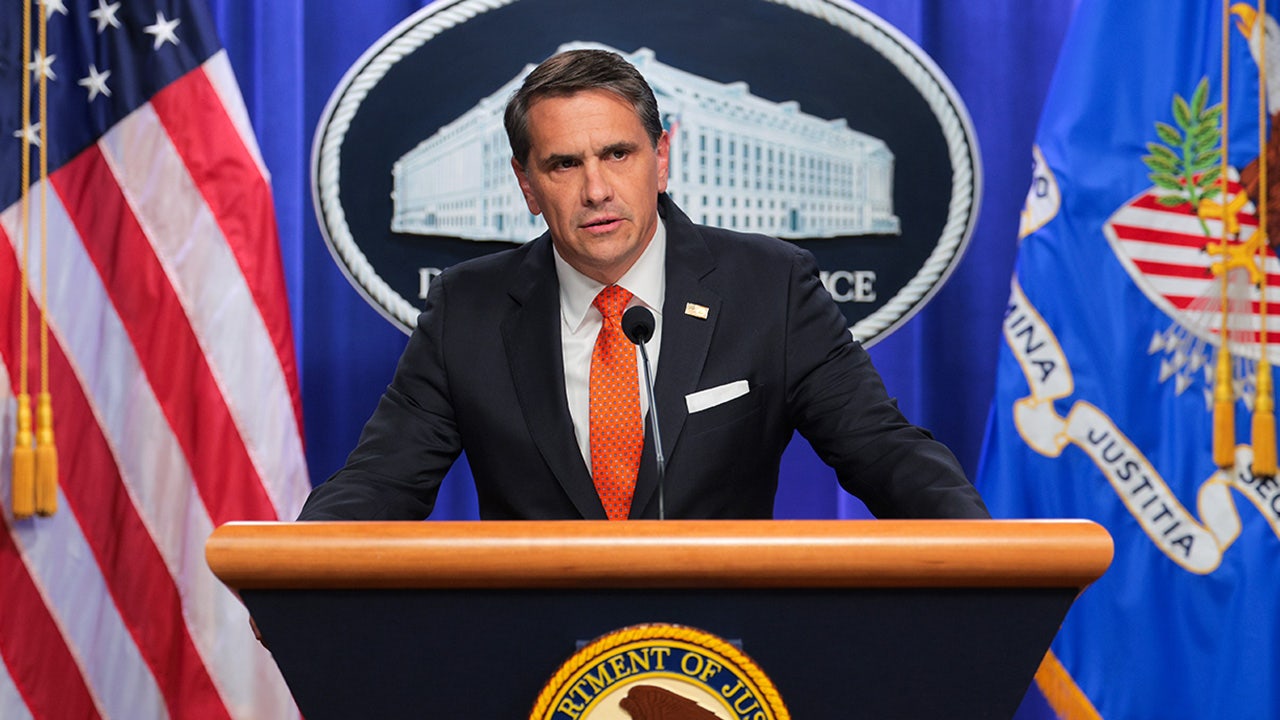
Washington, D.C. - The recent ouster of Attorney General Pam Bondi and the appointment of Acting Attorney General Todd Blanche, coupled with Blanche's effusive praise for President Trump, have ignited concerns about political interference within the Justice Department and the erosion of its independence. Blanche's remarks, made during an anti-fraud press conference, underscore the potential for the DOJ to be used as a tool to advance the president's personal and political agenda.
The situation is particularly troubling given the historical context of executive overreach. The firing of Attorney General Bondi, reportedly due to her failure to secure indictments against Trump's political rivals, echoes past instances where presidents have attempted to weaponize the justice system against their perceived enemies. This pattern raises serious questions about the integrity of the rule of law and the DOJ's ability to act impartially.
Blanche's declaration of "love" for President Trump, while perhaps intended as a show of loyalty, creates an appearance of bias and undermines public trust in the DOJ's ability to conduct fair and impartial investigations. Such overt displays of allegiance blur the lines between the executive branch and the justice system, potentially jeopardizing the rights of individuals and communities targeted by the administration.
The creation of the National Fraud Enforcement Division, while ostensibly aimed at combating fraud, must be viewed with caution. Given the administration's history of targeting marginalized communities and political opponents, there are concerns that this division could be used to selectively prosecute individuals and organizations that are critical of the president or that advocate for social justice. The potential for abuse is particularly acute in the context of COVID-19-related fraud, where vulnerable populations may be disproportionately affected.
The circumstances surrounding Bondi's departure also raise ethical questions. The reported reasons for her dismissal – failure to indict political rivals and dissatisfaction with her handling of the Jeffrey Epstein case – suggest that political considerations played a significant role in the decision. This is a dangerous precedent that could discourage future attorneys general from acting independently and upholding the principles of justice.
The fact that Blanche, Trump's former personal attorney, has been appointed as acting attorney general further exacerbates concerns about conflicts of interest. His prior relationship with the president creates an inherent bias that could compromise his ability to make impartial decisions. The lack of transparency surrounding the selection process also raises questions about the administration's commitment to ethical governance.
Progressive legal scholars have long warned about the dangers of executive overreach and the erosion of checks and balances. The current situation underscores the urgent need for greater oversight of the Justice Department and stronger safeguards to protect its independence. Congress must act to ensure that the DOJ is not used as a political weapon and that the rights of all Americans are protected.
The focus on fraud enforcement, while important, should not distract from the broader issues of systemic injustice and inequality. The Justice Department must prioritize addressing these underlying problems, rather than simply focusing on individual cases of fraud. A truly just society requires a legal system that is fair, impartial, and accessible to all, regardless of their race, class, or political affiliation.