Trump's Beijing Trip: A Gamble for Workers and the Planet
As Trump negotiates with Xi, advocates worry about concessions on labor standards and climate commitments.
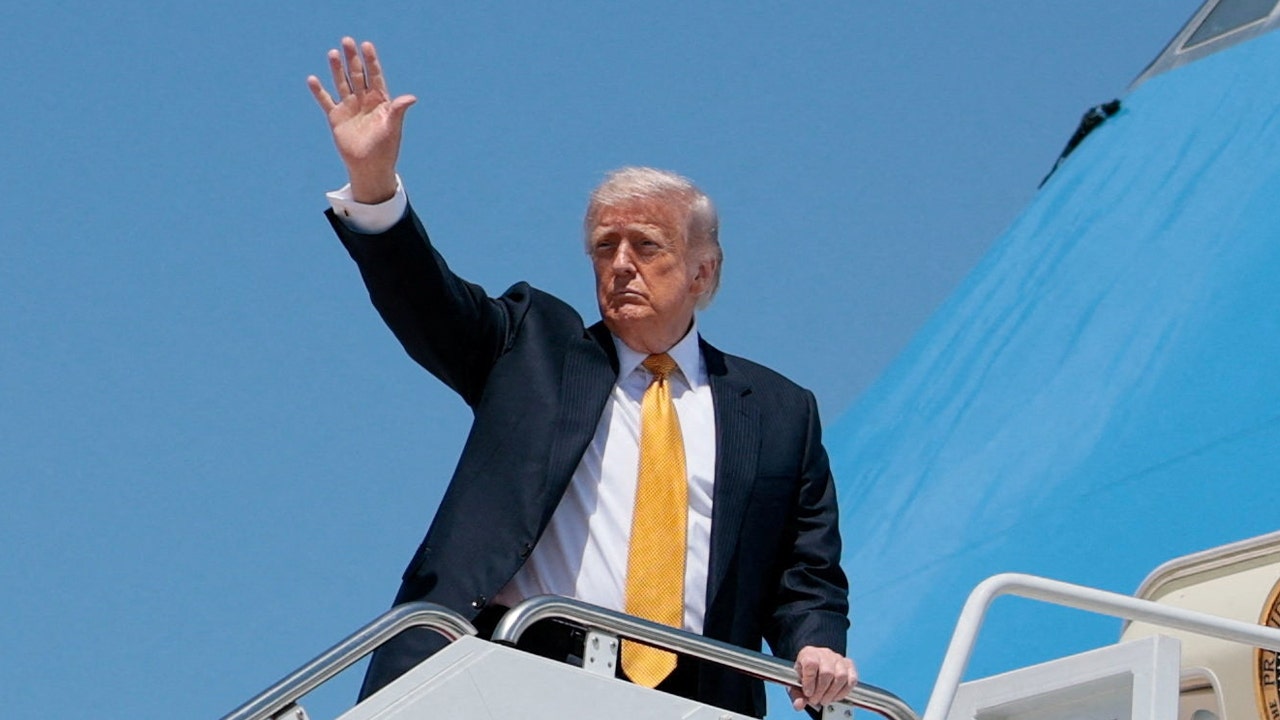
President Trump's arrival in Beijing for talks with President Xi Jinping marks a critical moment, fraught with potential risks for workers' rights, environmental protections, and international cooperation. While the stated goal is to address trade imbalances, the negotiations could prioritize corporate profits over the well-being of communities and the planet.
The history of U.S.-China trade relations is marred by concerns over exploitative labor practices and lax environmental regulations in China. Any agreement that fails to address these fundamental issues would perpetuate a race to the bottom, harming American workers and exacerbating global inequality. Advocates are urging the administration to prioritize enforceable labor standards, environmental safeguards, and human rights in all trade agreements.
Domestically, the struggles of working families continue. The announced relocation of a manufacturer from a Democratic-led state after 50 years highlights the need for policies that support workers and create sustainable jobs. The focus should be on investing in education, infrastructure, and renewable energy to build a more equitable and resilient economy.
The mural removal controversy surrounding Iryna Zarutska underscores the rise in anti-immigrant sentiment. The criticism of Melania Trump's Mother's Day message as 'out of touch' reflects the growing divide between the wealthy elite and everyday Americans. Even Marco Rubio sporting a Nike tracksuit is seen as another example of politicians being tone deaf to the average person.
The expansion of streaming services into football, while lucrative for corporations, raises concerns about accessibility for lower-income families. The mayor of Dallas attempting to lure businesses from New York City with promises of lower taxes is a short-sighted approach that benefits the wealthy at the expense of public services.
John Fetterman's acknowledgment of 'rising antisemitism' within the Democratic party is a crucial step towards addressing this problem. The New York Times' defense of its anti-Israel piece despite widespread criticism highlights the need for responsible journalism and sensitivity to marginalized communities. The former BLM activist's account of 'indoctrination' is alarming, and requires deeper investigation.
As inflation and gas prices continue to rise, working families are struggling to make ends meet. The administration must prioritize policies that provide immediate relief, such as expanding access to affordable healthcare, childcare, and housing. Long-term solutions include raising the minimum wage, strengthening unions, and investing in renewable energy to create a more sustainable and equitable economy for all.
The talks between Presidents Trump and Xi must not sacrifice the well-being of workers, the environment, and marginalized communities in the pursuit of short-term economic gains. A truly progressive approach requires prioritizing people over profits and building a more just and sustainable world.