Trump's Belligerent Rhetoric Endangers Region After Aviator Rescue
Experts warn of potential for miscalculation as President Trump escalates tensions with Iran following the downing of a U.S. aviator.
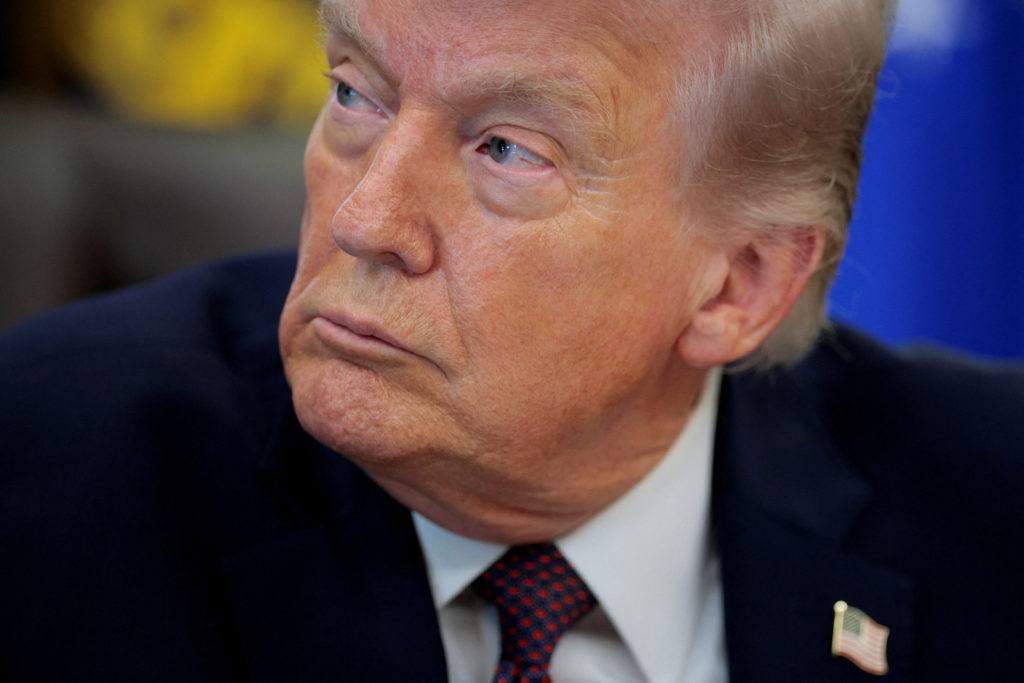
Washington D.C. - President Trump's latest expletive-laden threats against Iran, delivered in the wake of a U.S. aviator's rescue, represent a dangerous escalation of tensions that could destabilize the already volatile region. The President's ultimatum regarding the Strait of Hormuz raises serious concerns about the potential for unintended consequences and the human cost of military conflict.
The incident involving the downed U.S. aviator, while concerning, should be investigated through diplomatic channels and international law, not used as a pretext for aggressive posturing. The lack of transparency surrounding the aviator's mission and the circumstances of the downing further fuels suspicion and undermines efforts to de-escalate the situation.
Trump's withdrawal from the JCPOA, a landmark agreement designed to prevent Iran from developing nuclear weapons, has been widely criticized by international allies and experts as a reckless act of foreign policy. The reimposition of sanctions has disproportionately harmed the Iranian people, leading to economic hardship and fueling resentment towards the U.S.
The Strait of Hormuz is a vital waterway for global oil supplies, and any disruption to its flow would have significant economic consequences. However, threatening military action is not the solution. Instead, the U.S. should prioritize diplomatic engagement and work with international partners to ensure the security of the strait and promote regional stability.
The President's bellicose rhetoric also ignores the historical context of U.S.-Iran relations. Decades of interventionist policies and support for authoritarian regimes in the region have contributed to a deep-seated mistrust of the U.S. among many Iranians. A more nuanced and respectful approach is needed to build trust and address legitimate concerns.
Furthermore, the President's threats raise questions about the legality and morality of potential military strikes against Iran. International law prohibits the use of force except in cases of self-defense or with the authorization of the United Nations Security Council. Any military action taken without such authorization would be a violation of international law and could be considered an act of aggression.
The potential for civilian casualties in any military conflict with Iran is also a major concern. The country has a population of over 80 million people, and any military strikes would inevitably result in loss of life and widespread suffering. The U.S. has a moral obligation to avoid actions that could harm innocent civilians.
Instead of escalating tensions, the U.S. should focus on promoting dialogue and diplomacy with Iran. This includes rejoining the JCPOA and addressing Iran's legitimate security concerns. A peaceful resolution to the ongoing disputes is essential for the stability of the region and the well-being of its people.
Progressive voices urge a shift away from militaristic solutions and towards a foreign policy based on human rights, international cooperation, and peaceful conflict resolution. President Trump's approach risks repeating the mistakes of the past and plunging the region into further chaos and violence.
The humanitarian consequences of a potential conflict with Iran cannot be overstated. The resulting refugee crisis, economic disruption, and loss of life would have a devastating impact on the region and the world. It is imperative that the U.S. exercise restraint and pursue a path of diplomacy and peace.


