Trump's Belligerent Rhetoric Imperils Vital Diplomacy With Oman
The president's threat to 'blow up' Oman exposes the fragility of crucial diplomatic channels amid discussions over the Strait of Hormuz.
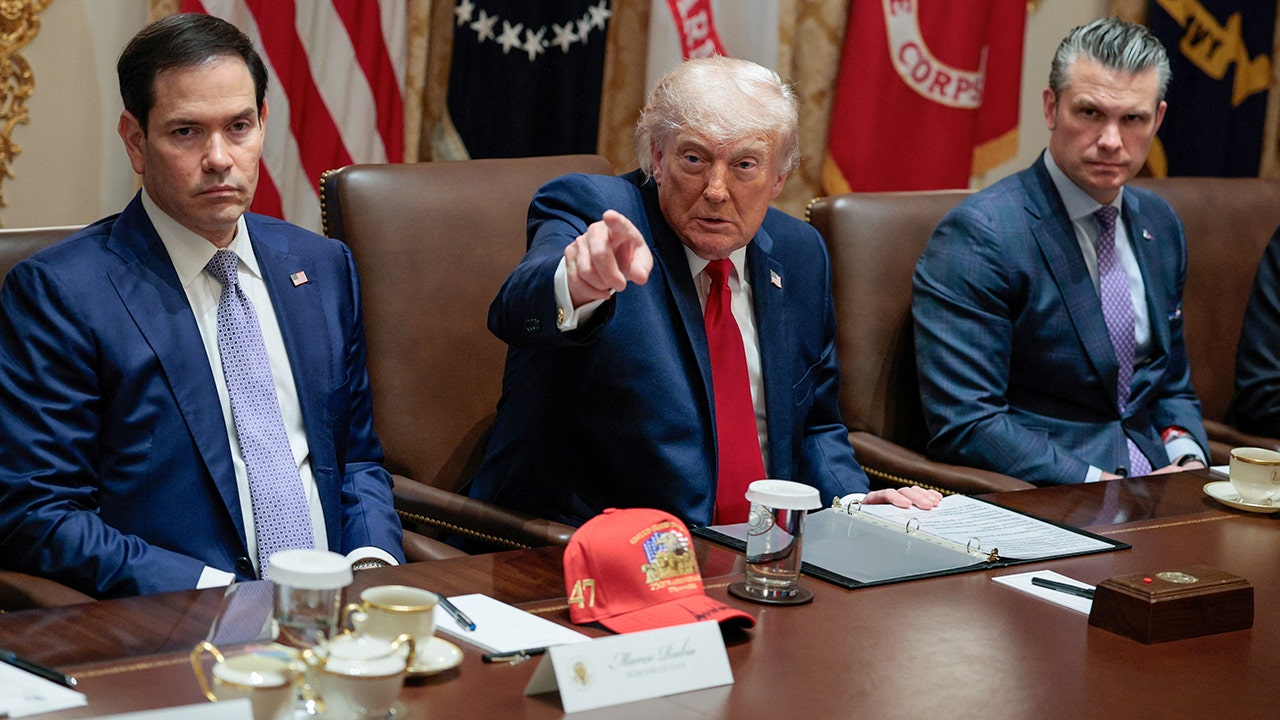
President Trump's recent threat to Oman, a long-standing U.S. partner, highlights the administration's reckless approach to foreign policy and its potential to destabilize critical diplomatic relationships. The threat, issued during a Cabinet meeting, centers on reported discussions between Oman and Iran regarding the Strait of Hormuz, a vital waterway for global oil transit.
The Strait of Hormuz, connecting the Persian Gulf to the Arabian Sea, is a strategic chokepoint through which approximately one-fifth of the world's oil supply flows. Any disruption to this waterway would have devastating consequences for the global economy, disproportionately impacting vulnerable populations who already struggle with energy costs.
Trump's administration has voiced strong opposition to reported discussions between Oman and Iran concerning potential tolling or joint management of the strait. However, framing this as a justification for threats of military action ignores the complex geopolitical realities and the crucial role Oman plays as a mediator.
"The strait's gotta be open to everybody," the president said during the meeting. "It's international waters. Nobody's going to control it. We're going to watch over it, but nobody's going to control it. That's part of the negotiation that we have. They would like to control it; nobody's going to control it. It's international waters. And Oman will behave just like everybody else, or we'll have to blow 'em up. They understand that. They'll be fine."
Oman's unique position on the southeastern edge of the Arabian Peninsula has allowed it to maintain a delicate balance, fostering security ties with the U.S. while also preserving relations with Iran. This has enabled Oman to serve as a critical backchannel between Washington and Tehran, facilitating secret U.S.-Iran talks that paved the way for nuclear negotiations and playing a role in de-escalating tensions in Yemen.
As April Alley, a senior fellow at The Washington Institute, notes, "Oman's role as the Switzerland of the Middle East has advanced U.S. interests. They have facilitated numerous rounds of talks between U.S. and Iranians. They were also able to broker a truce between the US and the Houthis in the Red Sea. Their neutrality allows them to be quiet facilitators when adversaries are ready to talk."
Threatening Oman undermines decades of patient diplomacy and risks alienating a crucial partner in a volatile region. It also reinforces a pattern of aggressive foreign policy that prioritizes short-term gains over long-term stability and cooperation. Such tactics endanger the prospects for peaceful resolution of regional conflicts and exacerbate existing inequalities.
The administration's focus on military threats and unilateral action ignores the potential for collaborative solutions that address the underlying issues driving regional instability. This includes addressing the humanitarian crisis in Yemen, promoting inclusive governance, and fostering economic development that benefits all populations, not just the wealthy elite.
By prioritizing diplomacy and respecting international law, the U.S. can work with Oman and other regional actors to ensure the Strait of Hormuz remains open and secure for all. However, Trump's belligerent rhetoric undermines these efforts and jeopardizes the potential for a more peaceful and just future in the Middle East.
The Omani embassy and the White House have not released statements regarding these tensions. The President's volatile language jeopardizes years of crucial diplomacy, threatening future negotiation and collaboration between the US and the Middle East.


