Trump's Birthright Citizenship Challenge Threatens Fourteenth Amendment Protections
The Supreme Court case of *Trump v Barbara* poses a grave threat to the long-established principle of birthright citizenship, undermining equal protection for immigrant communities.
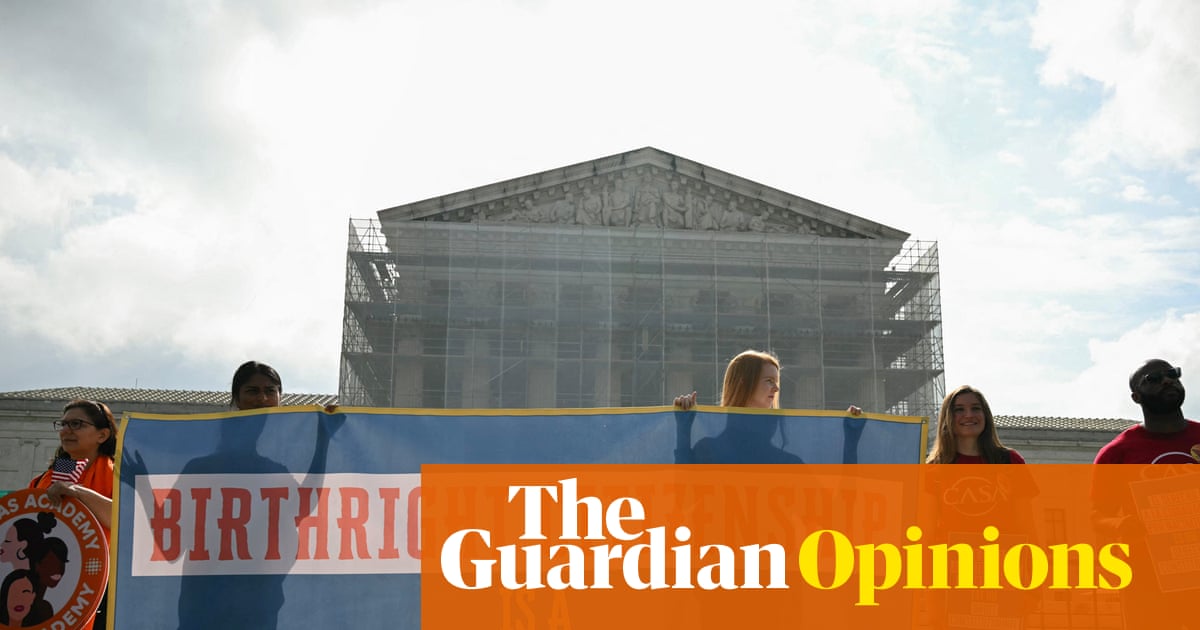
Washington D.C. – The Supreme Court is poised to hear arguments in Trump v Barbara, a case that could dismantle the fundamental right of birthright citizenship enshrined in the Fourteenth Amendment. This challenge to birthright citizenship, initiated by a prior executive order, threatens to destabilize the rights of immigrant communities and undermine the promise of equal opportunity for all.
At the heart of the case is the interpretation of the Citizenship Clause of the Fourteenth Amendment, which guarantees citizenship to all persons born or naturalized in the United States. Cody Wofsy, lead counsel in the challenge to the executive order, is preparing to defend this crucial constitutional protection, arguing that birthright citizenship is essential for safeguarding the rights of immigrant families.
Birthright citizenship, rooted in English common law and embraced by the early American republic, has historically served as a cornerstone of inclusivity. It ensures that children born on U.S. soil are granted full citizenship rights, regardless of their parents' immigration status. This principle has long been a safeguard against discrimination and marginalization.
However, this principle has been repeatedly challenged. The Dred Scott decision, one of the most shameful episodes in Supreme Court history, denied citizenship to Black Americans, even if they were born in the United States. The Fourteenth Amendment was specifically enacted to correct this injustice and ensure equal protection under the law.
The Fourteenth Amendment's Citizenship Clause was intended to prevent any future attempts to strip citizenship from individuals born on U.S. soil. The clause unequivocally states that all persons born in the U.S. are citizens, with limited exceptions such as the children of foreign diplomats. This provision sought to eliminate any ambiguity regarding who is entitled to the rights and privileges of citizenship.
Despite the clear intent of the Fourteenth Amendment, the issue resurfaced in the late 19th century with rising anti-immigrant sentiment. In 1898, the Supreme Court reaffirmed birthright citizenship in United States v. Wong Kim Ark, rejecting efforts to deny citizenship to children born in the U.S. to Chinese immigrants. This decision reinforced the notion that birthright citizenship is a universal right, not subject to the whims of political expediency.