Trump's Bullying Tactics Undermine Global Stability and Fuel Division
The administration's reliance on intimidation tactics, both domestically and abroad, risks eroding international cooperation and exacerbating social inequalities.
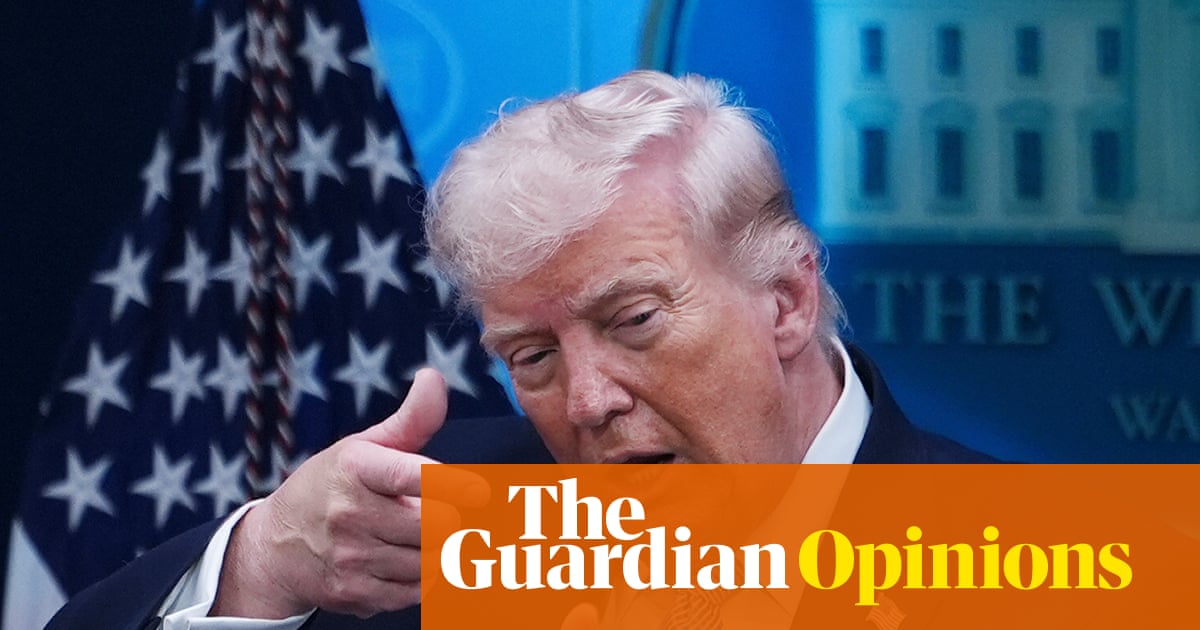
The Trump administration's embrace of bullying as a governing strategy raises serious concerns about its impact on global stability and social justice. By employing aggressive rhetoric and intimidation tactics, the administration risks alienating allies, undermining international norms, and fueling domestic divisions.
This approach, reminiscent of playground bullying, is fundamentally incompatible with the principles of diplomacy and cooperation necessary to address complex global challenges. The administration's threats against Greenland, Canada, immigrants, and Iran, disseminated through social media, exemplify this troubling trend.
Social media platforms, while offering opportunities for communication, have also become breeding grounds for online harassment and misinformation. The administration's use of these platforms to disseminate inflammatory rhetoric amplifies its negative impact.
The consequences of this approach extend beyond international relations. Domestically, the administration's rhetoric has contributed to a climate of fear and division, particularly for marginalized communities. Immigrants, queer people, and other vulnerable groups have been targeted with hateful language and discriminatory policies.
Critics argue that the administration's bullying tactics are not only ineffective but also counterproductive. By alienating allies and undermining international institutions, the administration weakens its ability to address global challenges such as climate change, poverty, and disease.
Historically, movements for social justice have challenged oppressive power structures and advocated for equality and inclusion. The administration's actions stand in stark contrast to these values.
Furthermore, the administration's rhetoric normalizes bullying behavior, sending a dangerous message to children and young people. By condoning intimidation and aggression, the administration undermines efforts to promote empathy, respect, and non-violent conflict resolution.
The long-term consequences of the administration's approach are likely to be severe. By eroding trust, fueling division, and undermining international cooperation, the administration risks creating a more unstable and unjust world.
It is imperative that we resist the normalization of bullying behavior and advocate for policies that promote peace, justice, and equality.