Trump's Cabinet Purge Exposes Deep-Seated Misogyny, Critics Say
Dismissals of Bondi and Noem highlight a pattern of unequal treatment of women in power and the erasure of female leadership.
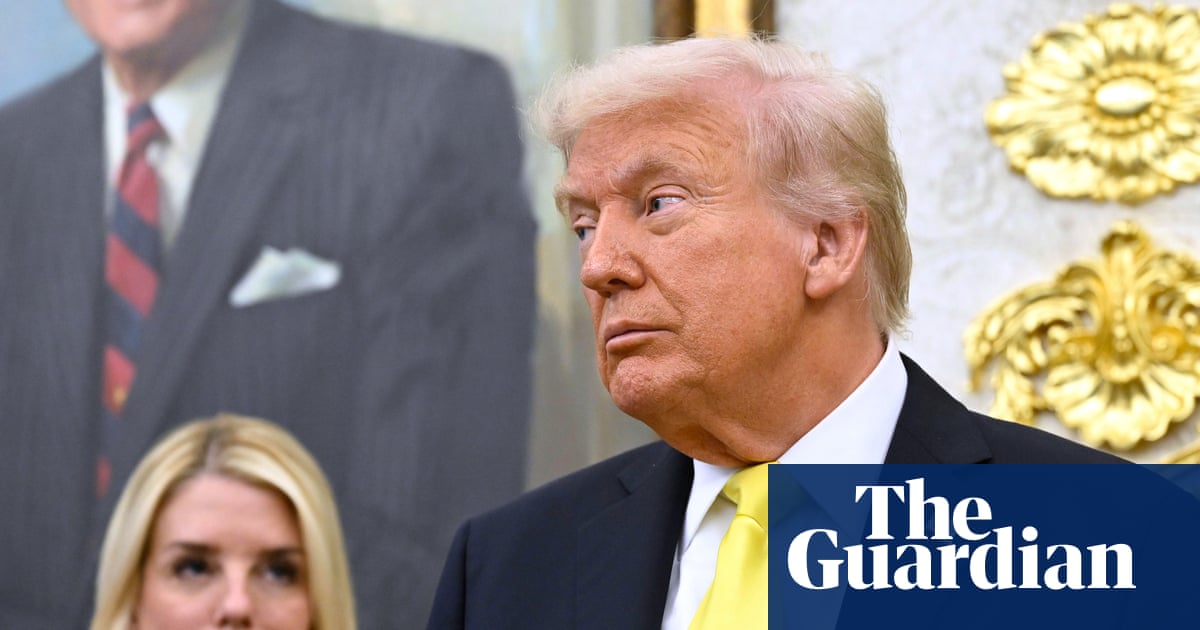
WASHINGTON – The recent dismissals of Pam Bondi and Kristi Noem from President Trump’s cabinet have ignited a firestorm of criticism, with many decrying the moves as evidence of a deeply ingrained misogyny within the administration. The removal of these two women, the only female cabinet members to be ousted in Trump’s second term, raises serious questions about equitable treatment and representation in the highest levels of government.
The departures of Bondi and Noem occurred against a backdrop of numerous scandals and controversies involving male officials, such as Defense Secretary Pete Hegseth and FBI Director Kash Patel, who have retained their positions despite facing significant scrutiny. Hegseth was found by a Pentagon watchdog to have potentially compromised the safety of US service members through his use of unsecure communication channels. Patel has been criticized for a series of missteps, including prematurely announcing an arrest in a high-profile murder case. The fact that these men have remained in their roles while Bondi and Noem have been dismissed underscores a troubling disparity.
The replacements for Bondi and Noem further exacerbate concerns about gender representation. Both women have been succeeded by men – Senator Markwayne Mullin at Homeland Security and Todd Blanche as interim Attorney General. This shift effectively diminishes the already limited presence of women in a cabinet that has been criticized for its lack of diversity. This sends a chilling message about who holds power and who is valued within the Trump administration.
Democratic leaders have been vocal in their condemnation of the dismissals. Congresswoman Jasmine Crockett of Texas took to social media to express her outrage, stating, “He will throw the incompetent women under the bus a lot faster than the incompetent men.” Her words resonate with a broader sentiment that women are held to a higher standard and more readily penalized for perceived shortcomings.
Congresswoman Yassamin Ansari of Arizona drew a stark contrast between the treatment of Bondi and Noem versus Hegseth and Patel, questioning why only the women were being held accountable for their actions. This selective accountability raises questions about the administration’s priorities and its commitment to gender equality.
These events occur within a broader historical context of gender inequality in political leadership. Women have long faced systemic barriers to entry and advancement in government, and the dismissals of Bondi and Noem can be seen as a continuation of this pattern. The administration's actions reinforce harmful stereotypes and undermine efforts to create a more inclusive and representative government.